



Have you ever picked up a toy flute and wondered how to make it sing? Playing a toy flute might seem tricky at first, but with the right tips, you can start creating beautiful sounds in no time.
Whether you want to entertain friends, relax after a long day, or explore a new hobby, this guide will show you exactly how to get started. Keep reading, and you’ll be amazed at how quickly your toy flute can become your new favorite instrument.
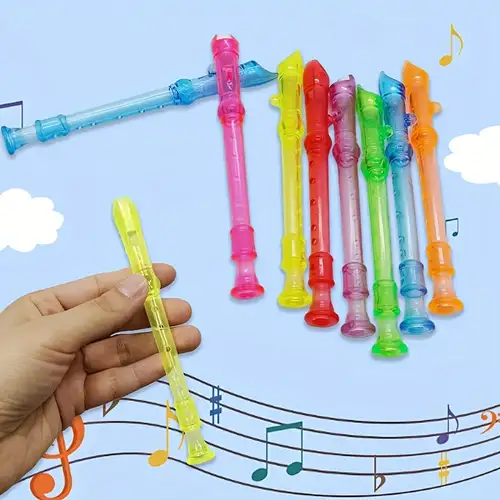
Credit: www.temu.com
Choosing The Right Toy Flute
Choosing a toy flute can be fun but tricky. There are many types, materials, and sizes to consider.
Picking the right one helps you enjoy playing and learning music better.
Types Of Toy Flutes
Toy flutes come in different types. Each type sounds different and has a unique way to play.
- Recorder-style flutes are common and easy to play.
- Whistle flutes have a simple design and clear sound.
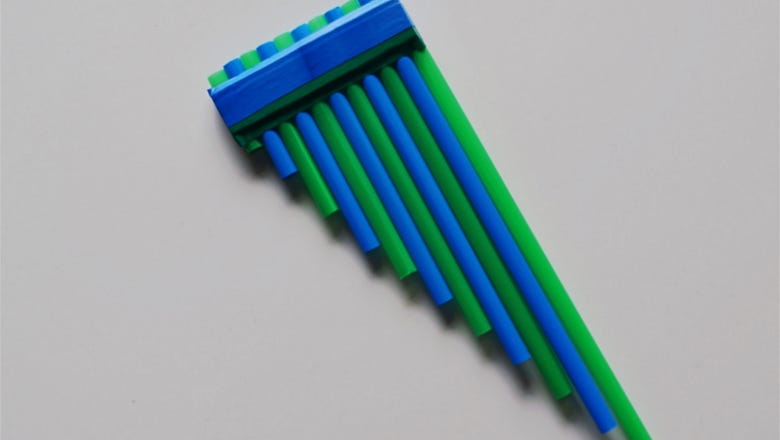
- Pan flutes are made of tubes and produce soft tones.
- Plastic flutes are lightweight and good for beginners.
Materials And Durability
Toy flutes are made from various materials. Some last longer and sound better than others.
| Material | Durability | Sound Quality |
| Plastic | High | Moderate |
| Wood | Medium | Warm and rich |
| Metal | High | Bright and clear |
| Bamboo | Low | Soft and natural |
Size And Design Considerations
Size affects how easy the flute is to hold and play. Design affects comfort and style.
- Smaller flutes fit better in children’s hands.
- Flutes with smooth edges are safer.
- Bright colors can make the toy more fun.
- Check if the flute is easy to clean.

Credit: www.youtube.com
Basic Holding Techniques
Playing a toy flute is fun and easy with the right hold. Holding it well helps you make clear sounds.
This guide will explain how to hold the toy flute properly. It covers hand placement, posture, and breath control.
Proper Hand Placement
Hold the toy flute with both hands. Your fingers should cover the holes gently but fully.
Use your left hand for the top holes and your right hand for the bottom holes. Keep thumbs behind the flute for support.
- Left thumb supports the flute from below
- Left fingers cover the top holes
- Right thumb steadies the flute
- Right fingers cover the bottom holes
Posture Tips For Playing
Sit or stand up straight to help your breathing. Keep your shoulders relaxed and your head level.
Hold the flute at a slight angle away from your mouth. This helps the air flow better and makes sound clearer.
- Keep your back straight
- Relax your shoulders
- Hold the flute at a 30-degree angle
- Keep your head straight
Breath Control Basics
Blow gently into the flute’s mouthpiece. Too much air can make the sound harsh or cause no sound at all.
Practice steady and soft blowing. Use your diaphragm to control your breath, not just your mouth.
- Blow softly and steadily
- Use your diaphragm for breath control
- Try short bursts of air to start
- Adjust your breath to change the sound
Producing Your First Sound
Playing a toy flute begins with making your first clear sound. It takes practice and patience.
Focus on your breath and mouth to get the right tone. Small changes can make a big difference.
Blowing Techniques
Blow gently across the mouthpiece, not directly into it. Use a steady, soft breath to start a smooth sound.
- Hold the flute at a slight angle from your lips.
- Keep your lips relaxed but firm around the mouthpiece.
- Control your breath speed; too hard can cause a harsh sound.
- Try to blow air across the hole, like blowing across a bottle top.
Common Mistakes To Avoid
| Mistake | Effect | How to Fix |
|---|---|---|
| Blowing too hard | Sound is sharp or squeaky | Use softer breath and slow exhale |
| Lips too tight | No sound or weak sound | Relax lips and open slightly |
| Flute angle wrong | Air misses the hole | Adjust angle to direct air across opening |
| Covering holes partially | Air leaks, sound is weak | Press holes fully with fingers |
Adjusting Your Mouth Position
Move your mouth slowly to find the best spot for sound. Small shifts can change the tone a lot.
Try these tips:
- Place the flute just below your bottom lip.
- Change how far the flute is from your lips in tiny steps.
- Keep your jaw relaxed and slightly open.
- Practice blowing while shifting your mouth position.
Playing Simple Notes
Playing simple notes on a toy flute is fun and easy to learn. You only need to know where to place your fingers and how to blow gently.
With practice, you can play clear sounds and enjoy making music with your toy flute.
Finger Positioning For Notes
Each note on the toy flute changes by covering different holes with your fingers. Cover the holes fully to get a clear sound.
- Use your left hand for the top three holes.
- Use your right hand for the bottom three holes.
- Cover holes completely with your fingertips.
- Lift fingers slowly to change the note.
- Keep your fingers curved and relaxed.
Practice Exercises
Practice helps your fingers move quickly and your notes sound better. Try these exercises often.
- Blow gently while covering all holes to play the lowest note.
- Lift one finger at a time from the bottom holes to play higher notes.
- Play each note slowly and listen carefully to the sound.
- Repeat the notes in order from low to high and back.
- Try to keep a steady breath while playing.
Recognizing Different Tones
Different notes create different tones. Some sound soft, and some sound bright. Listening helps you play better.
| Note | Finger Position | Sound Description |
|---|---|---|
| All holes covered | Six fingers down | Deep and soft |
| Bottom hole open | Five fingers down | Clear and light |
| Bottom two holes open | Four fingers down | Bright and sharp |
| Only top hole covered | One finger down | High and thin |
| All holes open | No fingers down | Highest and thin |
Learning Easy Tunes
Playing a toy flute is fun and simple. You can learn easy songs quickly.
Start by practicing simple tunes. This helps you get used to the notes and sounds.
Popular Beginner Songs
Some songs are perfect for beginners. They use simple notes and slow rhythms.
- “Mary Had a Little Lamb”
- “Twinkle Twinkle Little Star”
- “Hot Cross Buns”
- “Row, Row, Row Your Boat”
Step-by-step Song Breakdown
Break songs into small parts. Learn each part before playing the whole song.
Start with the first few notes. Repeat them until you feel comfortable.
- Listen to the song slowly.
- Play one note at a time.
- Practice each section several times.
- Combine sections to play the full song.
Using Sheet Music Or Tabs
Sheet music and tabs show you which notes to play. They guide your fingers on the flute.
Tabs are easier for beginners. They use numbers or symbols to show finger positions.
| Notation | Meaning |
|---|---|
| Numbers | Show which holes to cover on the flute |
| Lines and dots | Represent note length and pitch |
| Letters | Indicate the note names (C, D, E, etc.) |

Credit: www.amazon.co.uk
Maintaining Your Toy Flute
Taking care of your toy flute helps it last longer and sound better. Simple maintenance keeps the flute clean and safe to play.
Regular care prevents damage and makes sure the flute works properly every time you play it.
Cleaning Tips
Clean your toy flute after each use to remove dirt and moisture. Use a soft cloth to wipe the outside gently.
- Use a dry cloth to clean the surface
- Remove moisture inside by blowing air through the flute
- Avoid using water or harsh cleaners
- Store in a dry place after cleaning
Storage Suggestions
Proper storage keeps your toy flute safe from damage. Avoid placing it where it can fall or get crushed.
| Storage Tip | Why It Helps |
| Keep in a soft pouch | Protects from scratches |
| Store in a cool, dry place | Prevents warping and mold |
| Do not leave in direct sunlight | Avoids color fading and cracks |
| Keep away from heavy objects | Prevents bending or breaking |
Troubleshooting Sound Issues
If your toy flute sounds weak or no sound comes out, check for blockages or cracks. Small problems can often be fixed easily.
Try these fixes:
- Gently tap the flute to remove debris
- Check if all holes are clear and open
- Make sure you blow air steadily and correctly
- If cracks appear, avoid using the flute until it is repaired
Frequently Asked Questions
How Do You Hold A Toy Flute Correctly?
Hold the toy flute horizontally with both hands. Place your fingers over the holes gently. Ensure your lips cover the mouthpiece tightly for a clear sound.
What Is The Best Way To Blow Into A Toy Flute?
Blow gently and steadily into the mouthpiece. Avoid blowing too hard to prevent harsh sounds. Practice controlling your breath for better tone quality.
How Can Beginners Improve Toy Flute Playing Skills?
Start by learning simple tunes and scales. Practice regularly to build finger coordination. Listen to recordings to understand proper rhythm and pitch.
Are Toy Flutes Suitable For Learning Real Flute Basics?
Yes, toy flutes help develop breath control and finger placement. They introduce basic musical concepts. However, transitioning to a real flute requires more advanced practice.
Conclusion
Playing a toy flute can be fun and simple. Practice regularly to improve your skills. Listen to your favorite tunes and try to mimic them. Patience is key. Don’t rush, take your time to learn each note. Experiment with different melodies.
Enjoy the process of creating music. Remember, every expert started as a beginner. Share your music with friends and family. Encourage them to join you. Together, you can create joyful moments. Keep your flute clean and well-maintained. This helps it sound better.
Most importantly, have fun playing and learning!