






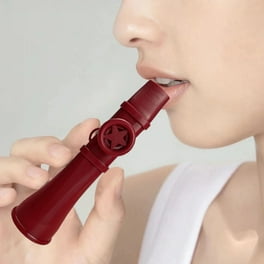
Have you ever picked up a toy kazoo and wondered how to make it sing? Playing this simple instrument can bring instant fun and surprise everyone around you.
But it’s not just about blowing air—you’ll learn the secret to creating those buzzing, catchy tunes that stick in your head. Whether you want to entertain friends, add a unique sound to your music, or just enjoy a playful moment, this guide will show you exactly how to play a toy kazoo with ease.
Ready to amaze yourself and others? Let’s get started!
Choosing The Right Kazoo
Picking the right toy kazoo helps you enjoy playing it more. Different kazoos offer various sounds and styles.
Think about the type, material, and size before buying your kazoo. This guide will help you choose well.
Types Of Toy Kazoos
Toy kazoos come in many types. Some are simple and plastic, while others have metal parts for better sound.
- Plastic kazoos: Lightweight and colorful, good for beginners
- Metal kazoos: Produce louder and clearer sounds
- Combination kazoos: Mix plastic and metal for balance
- Novelty kazoos: Fun shapes and designs for kids
Materials And Durability
Materials affect how long your kazoo lasts and how it sounds. Plastic is common but not very strong.
Metal kazoos are more durable and give better sound quality. Some have a mix of materials for both benefits.
- Plastic: Cheap, light, but can break easily
- Aluminum: Strong, good sound, lasts longer
- Stainless steel: Very durable and resistant to rust
- Wood: Less common, offers unique sound
Size And Design Options
Kazoos come in different sizes and designs. Choose one that fits your hand and style.
Some kazoos have simple shapes, while others look like animals or instruments. Size affects comfort and sound.
- Small kazoos: Easy for kids to hold
- Large kazoos: May produce deeper sounds
- Standard design: Classic kazoo shape
- Creative designs: Fun for gifts and play

Credit: www.amazon.com.au
Preparing Your Kazoo
Before playing a toy kazoo, it is important to get it ready. This helps the kazoo make clear sounds.
Preparing your kazoo well makes playing more fun and easy.
Cleaning Before Use
Clean your kazoo before using it for the first time. Dust or dirt can block the sound.
Use a soft cloth and warm water to wipe the outside. Avoid soaking the kazoo in water.
- Wipe the mouthpiece carefully
- Use a dry cloth to remove moisture
- Do not use harsh chemicals
Checking The Membrane
The membrane is a thin part inside the kazoo. It helps make the buzzing sound.
Check if the membrane is clean and not torn. A broken membrane can stop the kazoo from working.
- Look inside the kazoo for the membrane
- Make sure it is flat and not damaged
- Replace the membrane if it is broken or missing
Holding The Kazoo Correctly
Hold the kazoo with one hand near the mouthpiece. Keep your fingers away from the hole on top.
Hold it steady but not too tight. This helps air flow properly for a good sound.
- Use your thumb and fingers to hold the kazoo
- Do not cover the top hole
- Keep the kazoo close to your lips
Basic Playing Techniques
Playing a toy kazoo is simple and fun. It works by buzzing your voice into it.
Learning a few techniques will help you make different sounds. These tips focus on blowing, humming, volume, and pitch.
Blowing Vs. Humming
Blowing air through a kazoo does not make sound. You need to hum or buzz your voice inside it.
Humming causes the kazoo’s membrane to vibrate and create sound. Try humming different notes to hear the effect.
Controlling Volume
You control the kazoo’s volume by how loudly you hum. Soft humming makes a quiet sound.
Louder humming makes the kazoo sound stronger. Avoid blowing too hard because it can damage the kazoo.
Experimenting With Pitch
Change your humming pitch to make different sounds. High humming makes a high kazoo sound.
Low humming creates a deep tone. Practice switching pitches to play simple tunes.

Credit: www.amazon.co.uk
Simple Tunes To Start
Playing a toy kazoo is fun and easy. You just hum into it to make sounds.
Start with simple tunes to enjoy your kazoo and practice your skills.
Familiar Nursery Rhymes
Nursery rhymes have simple and clear melodies. They are great for beginners.
Try songs like “Twinkle, Twinkle, Little Star” or “Mary Had a Little Lamb.”
- Twinkle, Twinkle, Little Star
- Mary Had a Little Lamb
- Row, Row, Row Your Boat
- Itsy Bitsy Spider
Popular Melodies
After nursery rhymes, try popular songs with easy tunes. They keep you interested.
Simple melodies like “Happy Birthday” or “Jingle Bells” work well on a kazoo.
- Happy Birthday
- Jingle Bells
- Ode to Joy
- Old MacDonald Had a Farm
Creating Your Own Sounds
Use your kazoo to make new sounds by humming different tunes. Experiment freely.
You can change pitch, speed, or rhythm to make your own music with the kazoo.
- Try humming high and low notes
- Change how fast you hum
- Mix short and long notes
- Use silly or fun sounds
Tips For Better Sound
Playing a toy kazoo is simple, but getting a good sound takes practice. Small changes can make your kazoo sound clearer and louder.
Try these tips to improve your kazoo sound and enjoy playing even more.
Breath Control Exercises
Good breath control helps you produce steady and strong sounds on the kazoo. Practice breathing slowly and evenly.
Take deep breaths and blow gently into the kazoo. Avoid blowing too hard or too softly.
- Inhale deeply through your nose
- Exhale slowly and steadily through the kazoo
- Practice short bursts of blowing to control air pressure
- Rest between breaths to avoid strain
Adjusting Mouth Position
The way you place your mouth on the kazoo changes the sound. Try different positions to find the best tone.
Move the kazoo slightly to the left or right. Change how your lips touch the opening for clearer notes.
- Place lips firmly but not too tight
- Try covering the hole completely with your lips
- Experiment with angle and distance from your mouth
- Find a position that feels comfortable and produces a clear buzz
Maintaining Kazoo Quality
Keep your kazoo clean and in good shape for the best sound. Dirt and damage can block sound or cause buzzing issues.
Clean your kazoo regularly and check for cracks or loose parts. Store it safely when not in use.
- Rinse the kazoo with warm water after use
- Remove any debris from the membrane inside
- Dry it completely before storing
- Avoid dropping or bending the kazoo
Fun Ways To Play
Playing a toy kazoo can bring lots of joy. It is easy to learn and fun for all ages.
You can use your kazoo alone or with others. There are many ways to enjoy making music with it.
Playing With Friends
Playing kazoos with friends makes the experience louder and more exciting. You can create a small kazoo band and enjoy making sounds together.
- Choose simple songs everyone knows
- Take turns leading the tune
- Try to match your kazoo sound with others
- Create fun rhythms by humming through the kazoo
- Encourage each other to be creative
Incorporating Into Songs
You can add a kazoo to many songs for a playful sound. It works well with upbeat and simple tunes.
| Type of Song | How to Use Kazoo |
| Children’s Songs | Play main melody with humming |
| Pop Songs | Add kazoo in chorus for fun effect |
| Folk Music | Use kazoo to echo vocals |
| Simple Jazz | Improvise short kazoo solos |
Using Kazoos In Performances
Kazoos add a unique sound to performances. They can be funny or surprising for the audience.
- Practice your parts well
- Use kazoos for comic relief
- Combine with other instruments
- Keep the kazoo sound clear and steady
- Engage the audience with kazoo solos
Troubleshooting Common Issues
Toy kazoos are fun and easy to use. Sometimes, they don’t work well. This guide helps fix common problems.
Check these tips to make sure your kazoo sounds its best every time you play.
Weak Or No Sound
If your kazoo makes little or no sound, the problem may be simple. First, check if you are humming correctly into the kazoo. The kazoo needs a steady hum to work.
- Make sure the kazoo’s opening is clean and clear.
- Try humming at different volumes and pitches.
- Check if the kazoo is damaged or bent.
Membrane Damage
The membrane inside the kazoo creates the buzzing sound. If it is torn or missing, your kazoo won’t work well. Replace the membrane carefully to fix the sound.
| Issue | Cause | Solution |
| Torn membrane | Rough handling or old kazoo | Replace membrane with a new one |
| Missing membrane | Fell out or lost | Insert a new membrane before playing |
| Membrane stuck | Sticky residue or moisture | Clean membrane gently with dry cloth |
Cleaning Stubborn Residue
Residue inside the kazoo can block sound. Use these steps to clean it without damage.
Follow this cleaning checklist:
- Remove the membrane carefully.
- Use warm water and mild soap to rinse the kazoo.
- Use a soft brush to scrub the inside gently.
- Dry the kazoo completely before reassembling.
- Do not use harsh chemicals or soak for too long.

Credit: www.amazon.com
Frequently Asked Questions
How Do You Make Sound With A Toy Kazoo?
To make sound with a toy kazoo, simply hum into the mouthpiece. Unlike other wind instruments, you don’t blow. The kazoo amplifies the vibrations of your humming. Experiment with different pitches and volumes to create varied sounds. It’s easy and fun for both kids and adults!
What Is The Correct Way To Hold A Kazoo?
Hold the kazoo with your thumb and fingers on either side. Ensure the larger end faces away from you. Place the smaller end near your lips. Maintain a relaxed grip for better sound. This allows you to easily hum and produce delightful tunes.
Can Children Easily Learn To Play The Kazoo?
Yes, children can easily learn to play the kazoo. It’s simple and requires no musical training. Just hum into it and enjoy the sound. It’s a great introduction to music for kids. Plus, it’s fun and encourages creativity!
Why Does My Kazoo Sound Muffled?
A muffled kazoo may have a clogged membrane. Check for obstructions inside the tube. Ensure you’re humming, not blowing. Adjust your grip and mouth placement. Clean the kazoo regularly to maintain clear sound. Proper maintenance ensures your kazoo always sounds bright and clear.
Conclusion
Playing a toy kazoo can be fun and simple. Just hum into the mouthpiece and enjoy the sound. Practice helps you create different tunes with ease. Share your music with friends or family. This small instrument brings joy to any moment.
Keep experimenting with rhythms and melodies. Remember, the more you play, the better you get. Start now and have fun with your toy kazoo!