






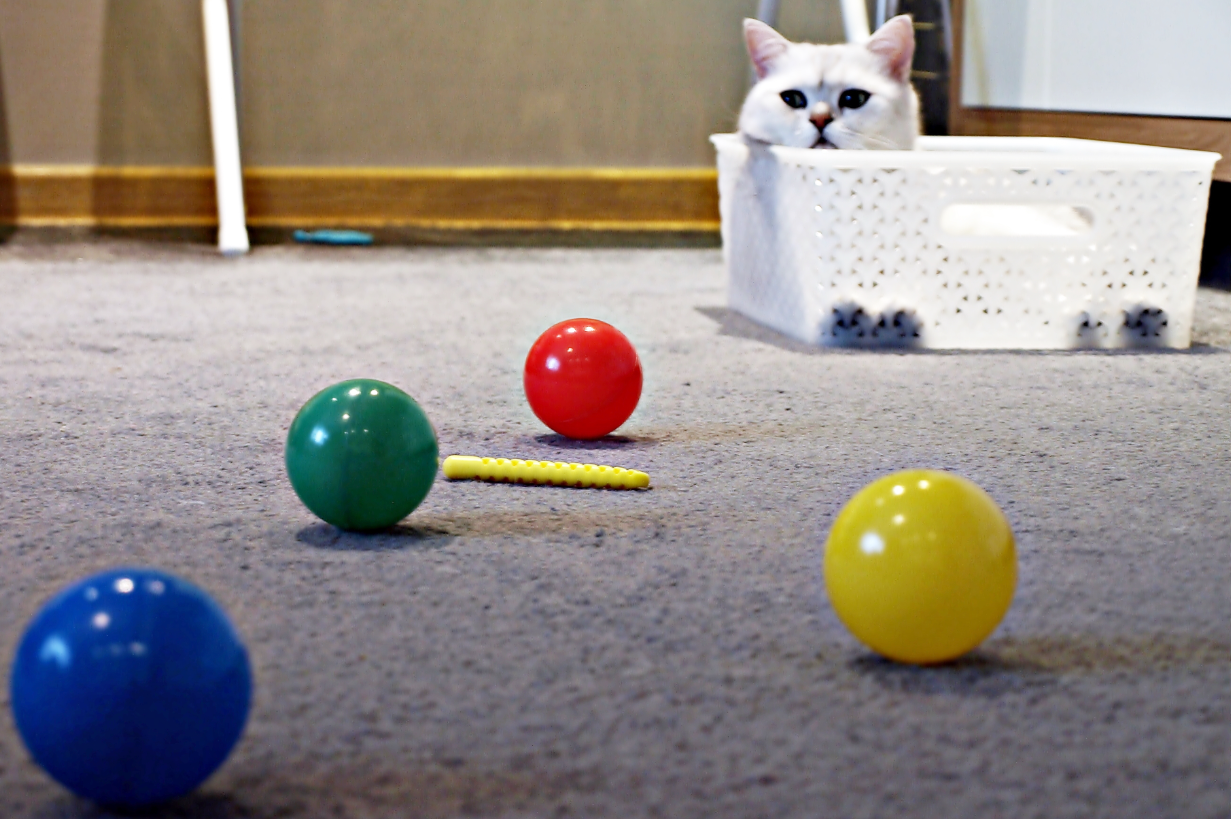
Do you have a cat that just ignores every toy you bring out? It can be frustrating when your furry friend doesn’t seem interested in the usual playthings.
But don’t worry—there are ways to connect and have fun with your cat, even if toys aren’t their thing. You’ll discover simple, effective tips to engage your cat and strengthen your bond. Keep reading, and soon playtime will become something you both look forward to.

Credit: www.reddit.com
Recognize Your Cat’s Preferences
Not all cats enjoy playing with toys. Some prefer other ways to have fun.
Understanding your cat’s likes helps you play in a way they enjoy.
Identify Favorite Activities
Watch what your cat does most during the day. They may like climbing, chasing shadows, or watching outside.
- Does your cat like to chase moving lights?
- Do they prefer to sit and watch birds outside?
- Are they interested in climbing shelves or furniture?
- Do they enjoy gentle petting or brushing?
Observe Natural Behaviors
Cats have natural hunting and exploring habits. Notice how your cat behaves when alone or with you.
| Behavior | What It Means |
| Stalking or pouncing on shadows | Enjoys chasing and hunting motions |
| Hiding in boxes or small spaces | Likes to feel safe and cozy |
| Watching birds or insects | Enjoys visual stimulation |
| Chewing on strings or fabric | Likes tactile objects but not toys |
Use Everyday Items For Play
Some cats do not like typical toys. You can use common things from your home instead. These items can make playtime fun and interesting for your cat.
Using everyday objects is easy and cheap. It can also help your cat stay active and happy without buying special toys.
Household Objects As Toys
Many household objects catch a cat’s attention. You can try different items to see what your cat likes best. Always watch your cat to keep play safe and fun.
- Crumpled paper balls
- Empty cardboard boxes
- Paper bags without handles
- String or yarn (supervised play only)
- Plastic bottle caps
Interactive Play With Simple Items
Use simple items to play games that involve your cat. Moving objects can catch their eye and encourage chasing or pouncing.
| Item | How to Use | Safety Tips |
| Crumpled Paper Ball | Throw or roll for your cat to chase | Make sure paper is clean and not sharp |
| Cardboard Box | Cut holes for hiding and jumping in | Remove any staples or tape |
| String or Yarn | Drag slowly for your cat to catch | Do not leave unattended to avoid swallowing |
| Plastic Bottle Cap | Roll on the floor for chasing | Check for cracks or sharp edges |
Engage Through Movement
Some cats do not like playing with toys. They might find them boring or scary. You can still have fun by using your movements to catch their attention.
Moving your hands or creating shadows can make your cat curious. These simple actions can turn playtime into a fun and bonding experience.
Chasing Shadows And Lights
Cats love to chase things that move fast. Shadows and light spots can be very exciting for them. Use a flashlight or a small lamp to create moving lights on the floor or walls.
Move the light slowly at first. Then make it dart quickly to catch your cat’s interest. Watch how your cat tries to catch or follow the light spot.
- Use a flashlight or laser pointer carefully
- Move the light in different directions
- Stop sometimes to let your cat catch the shadow
- Always keep play sessions short and fun
Waving Hands And Fingers
Simple hand movements can catch your cat’s eye. Wave your fingers slowly in front of them. You can also wiggle your fingers to look like small creatures.
This movement is gentle and non-threatening. Your cat may start to follow your fingers with their eyes or paws. It helps build trust and keeps them active.
- Wave your hand slowly near your cat
- Wiggle your fingers like little bugs
- Change speed to keep your cat interested
- Stop if your cat seems tired or distracted
Incorporate Food And Treats
Playing with a cat that does not like toys can be tricky. Using food and treats can make playtime fun and engaging.
Food motivates many cats. You can use treats to encourage your cat to interact and move around.
Treat-based Games
Treat-based games turn playtime into a reward experience. Your cat will enjoy chasing treats and learning new actions.
- Hide small treats around a room for your cat to find.
- Use treats to encourage your cat to jump or climb.
- Place treats on a string and drag it slowly for your cat to follow.
- Give treats after simple tricks like sitting or pawing.
Puzzle Feeders And Challenges
Puzzle feeders make your cat work for food. These puzzles keep your cat’s mind active and reduce boredom.
| Type | Description | Benefit |
| Sliding Puzzle | Move parts to get treats out. | Improves problem solving. |
| Ball Maze | Roll balls to release food. | Encourages physical activity. |
| Hidden Compartments | Open lids to find treats inside. | Stimulates curiosity. |
Create A Comfortable Environment
Playing with a cat that does not like toys needs a calm and cozy space. Cats feel safe and relaxed in quiet places. This helps them to enjoy playtime more.
Setting up the right time and place for play helps your cat stay interested. You can make play sessions better by learning their mood and habits.
Quiet Spaces For Play
Choose a quiet room or corner where your cat feels safe. Avoid noisy areas with many people or loud sounds. Soft lighting and a warm spot can help your cat relax.
- Pick a place your cat likes to rest
- Keep the area free from loud noises
- Use soft cushions or blankets for comfort
- Remove distractions like other pets or toys that stress your cat
Timing Play Sessions
Play when your cat is most active, usually early morning or evening. Short sessions of 5 to 10 minutes work best. Let your cat decide when to stop.
| Best Time | Session Length | Notes |
| Early Morning | 5-10 minutes | Cat is usually alert |
| Evening | 5-10 minutes | Cat is active but calm |
| Afternoon | Short or no play | Cat may prefer resting |

Credit: www.reddit.com
Build Trust And Patience
Playing with a cat that does not like toys takes time and care.
You must build trust and be patient to enjoy playtime together.
Respecting Boundaries
Some cats feel scared or stressed by toys. It is important to respect their feelings.
- Watch your cat’s body language for signs of stress.
- Give your cat space if it walks away.
- Do not force your cat to play with toys.
- Use calm, soft voices when near your cat.
- Let your cat come to you when it feels safe.
Gradual Introduction To Play
Start play slowly by using gentle movements and quiet sounds.
| Step | What to Do |
| 1 | Hold a toy near your cat without moving it. |
| 2 | Let your cat sniff and touch the toy if it wants. |
| 3 | Move the toy very slowly to catch attention. |
| 4 | Stop if your cat shows signs of fear or stress. |
| 5 | Repeat short sessions each day to build comfort. |
Consult Experts For Guidance
Some cats do not enjoy playing with toys. This can make it hard to keep them active and happy. Experts can help find better ways to play with your cat.
Getting advice from professionals helps you understand your cat’s unique needs. They can suggest safe and fun activities.
Veterinarian Advice
Veterinarians check your cat’s health to rule out any problems. Sometimes, illness or pain makes cats avoid toys.
Your vet can recommend gentle play or exercise based on your cat’s condition. They may suggest ways to keep your cat active without stress.
- Check for joint or muscle pain
- Ask about safe play for older cats
- Learn signs of stress or discomfort
- Get tips for indoor exercise
Animal Behaviorists
Animal behaviorists study how cats act and think. They help understand why your cat avoids toys.
They can teach you ways to encourage your cat to play using natural behaviors. This can include new games or different types of interaction.
- Learn about your cat’s favorite activities
- Discover games that suit your cat’s personality
- Use reward-based play to build trust
- Find ways to reduce fear or anxiety

Credit: www.reddit.com
Frequently Asked Questions
How Can I Engage My Cat Without Toys?
Engage your cat by using interactive play like hide and seek. Use everyday items like paper balls or cardboard boxes. Spend quality time petting and talking to your cat. Encourage natural hunting instincts with laser pointers or feather wands. Regularly change activities to keep your cat interested.
What Activities Do Cats Enjoy Without Toys?
Cats enjoy exploring new environments, climbing, and watching birds through windows. They love scratching posts, which help maintain their claws. Cats also enjoy interactive play with their owners, like chasing or hiding games. Spend time petting and grooming them, which strengthens your bond and provides comfort.
How Do I Know If My Cat Is Bored?
Signs of boredom include excessive meowing, destructive behavior, or sleeping more than usual. Your cat might also over-groom or eat excessively. Lack of interest in activities they once enjoyed can indicate boredom. Engage them with interactive play and mental stimulation to alleviate their boredom.
Why Is My Cat Not Interested In Toys?
Cats may lose interest in toys if they’re not engaging or stimulating. Some cats prefer human interaction or natural activities like climbing. They might be uninterested due to stress or health issues. Rotate toys regularly and introduce new activities to maintain their interest.
Conclusion
Playing with a cat that ignores toys takes patience and creativity. Try simple things like your hands or a piece of string. Cats enjoy attention and gentle movement more than objects. Watch your cat’s reactions to find what excites them.
Keep playtime short and fun to hold their interest. This helps build trust and strengthen your bond. Remember, every cat is unique in what they enjoy. Stay calm and enjoy quiet moments together. Play can be a special way to show love without toys.