



Imagine this: your cat, eyes wide with excitement, ready to pounce on its favorite toy. It’s a moment that brings joy to both of you, strengthening your bond and keeping your furry friend active and healthy.
Playing with toys is not just fun for cats; it’s essential for their well-being. But do you know the best ways to engage your cat with toys? If you’re eager to discover how to make playtime more enjoyable and rewarding for your feline friend, you’re in the right place.
This guide will show you simple yet effective ways to turn playtime into an adventure your cat will love. Unlock the secrets to keeping your cat entertained and happy. Your journey to becoming the perfect playmate for your cat begins now.
Choosing The Right Toys
Playing with cats using toys keeps them active and happy. Picking the right toys makes playtime fun and safe.
Not all toys suit every cat. Knowing the types, materials, and safety tips helps you choose well.
Types Of Cat Toys
Cats like different toys for hunting, chasing, and pouncing. Toys can be simple or interactive.
- Wand toys with feathers or strings for chasing
- Small balls or mice for batting around
- Laser pointers that cats can chase
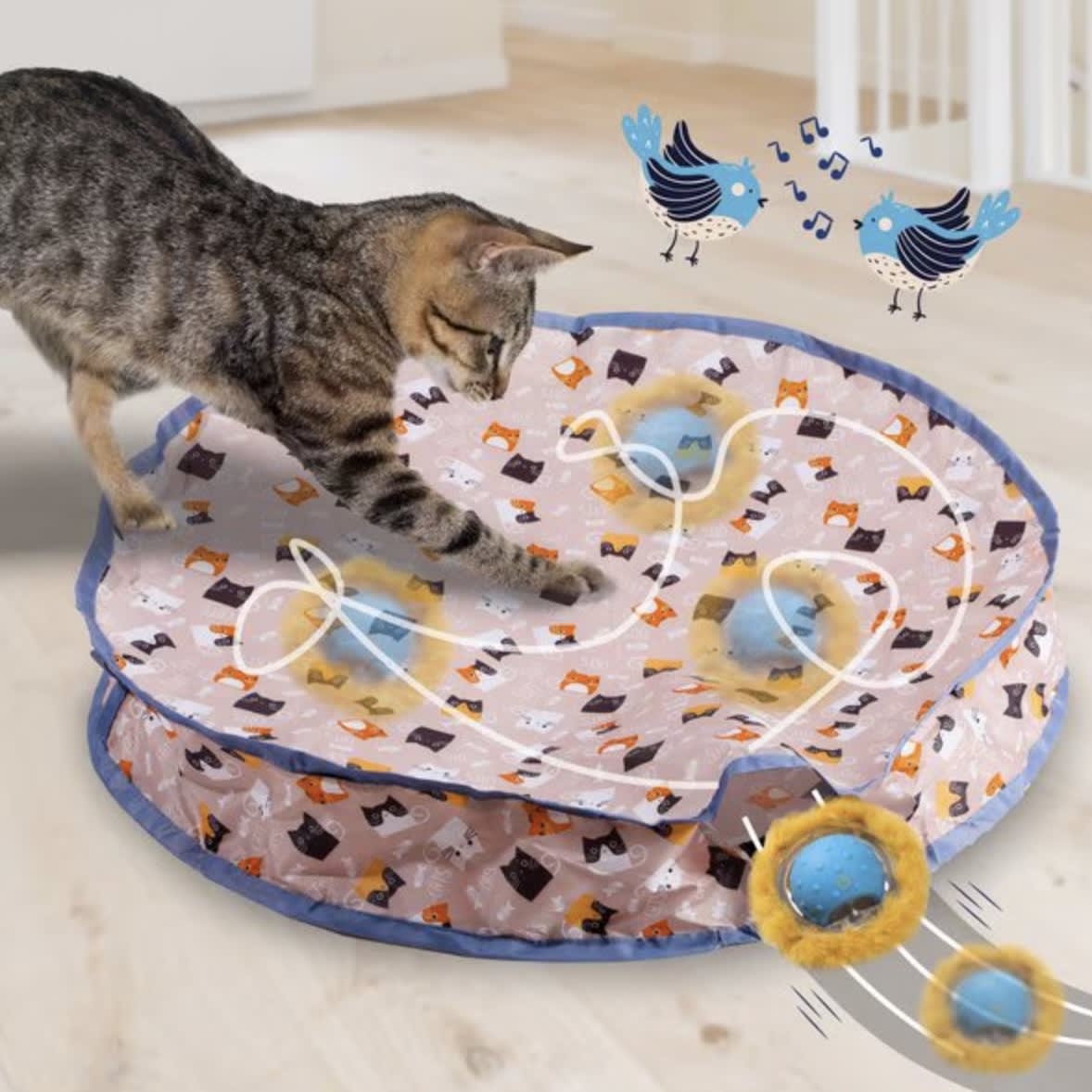
- Interactive puzzle toys with treats inside
- Catnip-filled toys to attract cats
Materials That Cats Prefer
Cats like toys made from soft and natural materials. These feel good to touch and bite.
- Felt and wool for soft, chewable toys
- Feathers that move and attract attention
- Natural rubber for safe chew toys
- Lightweight plastic for easy batting
- Catnip inside fabric toys for extra fun
Safety Considerations
Safety is key when picking cat toys. Avoid small parts that cats can swallow or choke on.
- Choose toys without loose strings or parts
- Check toys regularly for damage or wear
- Supervise play with toys like lasers or wands
- Pick non-toxic materials safe for chewing
- Discard broken toys to prevent injury

Credit: www.amazon.com
Setting Up Playtime
Playing with your cat is important for their health and happiness. Setting up playtime right helps your cat enjoy and stay active. This guide covers how to prepare for fun with toys.
Focus on creating a good space, choosing the best times, and getting your cat ready. These tips make playtime safe and exciting.
Creating A Stimulating Environment
Make your play area fun and safe for your cat. Use different toys and spaces to keep their interest. Cats like to explore and chase moving things.
- Clear a small area free of fragile items
- Use varied toys like feather wands, balls, and tunnels
- Include hiding spots or boxes to encourage hunting
- Keep the play space quiet and calm
- Change toys often to keep your cat curious
Best Times To Play
Choose times when your cat is most alert and active. Cats often like to play early in the morning or late in the evening. Avoid times when your cat is sleepy or just ate.
| Time of Day | Why It Works |
|---|---|
| Early Morning | Cat is fresh and ready to move |
| Late Evening | Natural hunting instincts are stronger |
| Midday | Usually rest time; less energy for play |
Preparing Your Cat For Play
Help your cat get ready for fun. Use gentle moves and calm voice to invite them. Let the cat sniff and touch toys before starting. This builds trust and interest.
- Call your cat softly to come near
- Show the toy and move it slowly
- Wait for your cat to touch or chase it
- Keep sessions short to avoid tiredness
- Give praise or treats after play
Interactive Play Techniques
Playing with your cat using toys is a great way to keep them active and happy. Interactive play helps build a strong bond between you and your pet.
Using different toys and techniques can make playtime fun and exciting for your cat. It also helps to keep their mind sharp and body healthy.
Using Wand Toys Effectively
Wand toys are great for interactive play because they let you control the movement. Cats love chasing the feathers or strings at the end of the wand.
Move the wand slowly at first to catch your cat’s attention. Then, make quick jerks to mimic prey movements. This keeps your cat interested and active.
- Keep the toy just out of reach to encourage chasing
- Use different speeds and directions to mimic real prey
- Let your cat catch the toy sometimes to feel successful
- Always supervise play to avoid tangling or chewing the string
Engaging With Laser Pointers
Laser pointers are fun for cats because the light moves quickly and unpredictably. This sparks their natural hunting instincts.
Move the laser in short bursts and change directions to keep your cat chasing. Avoid shining the light directly into their eyes.
- Use the laser on walls or floors, not on reflective surfaces
- End the play by pointing the laser on a toy to let your cat catch something
- Keep play sessions short to prevent frustration
Incorporating Puzzle Toys
Puzzle toys challenge your cat’s mind and make playtime more rewarding. These toys often hide treats or small toys inside.
Encourage your cat to figure out how to get the treat. This keeps them busy and helps reduce boredom.
- Choose puzzles that match your cat’s skill level
- Start with easy puzzles and increase difficulty over time
- Use tasty treats to motivate your cat
- Supervise play to ensure your cat does not chew parts of the toy

Credit: www.amazon.com
Encouraging Natural Behaviors
Playing with cats using toys helps them express natural behaviors. These actions keep cats healthy and happy.
Using toys that mimic prey or encourage exercise can satisfy their instincts. This type of play also builds trust between you and your cat.
Chasing And Pouncing
Cats love to chase moving objects and pounce on them. Toys like feather wands or laser pointers work well for this.
These actions help your cat practice skills used in hunting. They also provide good exercise and mental stimulation.
Hunting Simulation
Simulating hunting with toys lets cats use their natural stalking and grabbing skills. Toys that move unpredictably are best.
Interactive toys like motorized mice or balls encourage this behavior. It keeps your cat alert and entertained.
Climbing And Scratching
Climbing and scratching are important natural behaviors for cats. Toys that promote these actions help keep claws healthy.
Cat trees and scratching posts give cats places to climb and scratch safely. This reduces damage to furniture and satisfies their instincts.
Keeping Playtime Safe And Fun
Playing with cats using toys is a great way to keep them active and happy. It also helps build a strong bond between you and your cat.
To make playtime safe and fun, you need to watch your cat closely and use the right toys. This guide will help you keep play sessions enjoyable and free from harm.
Recognizing Signs Of Overstimulation
Cats can get too excited during play, which may cause them to scratch or bite. Knowing when your cat is overstimulated helps prevent accidents.
- Tail flicking or lashing
- Ears flattening against the head
- Sudden growling or hissing
- Swatting or biting without warning
- Restlessness or pacing
If you see these signs, stop the play and let your cat calm down before trying again.
Avoiding Toy Hazards
Some toys can harm your cat if they are not safe. Choose toys that are made for cats and check them often for damage.
| Hazard | Risk | How to Avoid |
| Small parts | Choking | Pick toys without loose pieces |
| Strings and ribbons | Swallowing or strangling | Use supervised play only |
| Toxic materials | Poisoning | Buy non-toxic, pet-safe toys |
| Broken or sharp edges | Injury | Throw away damaged toys |
Cleaning And Maintaining Toys
Clean toys keep your cat healthy and stop germs from spreading. Regular maintenance makes toys last longer.
- Wash soft toys in warm, soapy water weekly
- Wipe plastic or rubber toys with a damp cloth
- Check for loose parts before each play
- Replace worn or broken toys immediately
- Store toys in a clean, dry place
Adapting Play For Different Cats
Playing with cats using toys is fun for both cats and owners. Each cat has unique needs. Adjust playtime to fit your cat’s age and personality.
Understanding these differences helps keep play safe and enjoyable. This guide covers kittens, adult cats, senior cats, and personality traits.
Kittens Vs Adult Cats
Kittens have lots of energy and short attention spans. They enjoy quick, lively play sessions. Adult cats usually prefer slower, longer play with more focus.
- Kittens like small, fast toys like feather wands or balls
- Use soft toys for kittens to avoid injury
- Adult cats enjoy toys that challenge their hunting skills
- Adults may prefer interactive toys like laser pointers or puzzle feeders
- Keep play sessions short but frequent for kittens
- Adults can handle longer sessions but watch for tiredness
Playing With Senior Cats
Senior cats have lower energy and slower reflexes. They may need gentler toys and shorter playtimes. Watch for signs of stiffness or discomfort.
| Tip | How to Adapt |
| Choose soft, easy-to-catch toys | Use plush mice or soft balls |
| Keep play short | Limit sessions to 5-10 minutes |
| Play on soft surfaces | Use carpets or rugs to protect joints |
| Encourage gentle movement | Move toys slowly and steadily |
| Observe health changes | Stop if cat shows pain or fatigue |
Considering Personality Differences
Cats have different personalities. Some are shy, others bold. Some love chasing toys. Others prefer gentle play or no play at all.
Here are ways to adjust play by personality:
- Bold cats:Use fast, noisy toys to keep interest
- Shy cats:Offer quiet, slow games in safe spaces
- Independent cats:Provide toys they can use alone, like balls or treat dispensers
- Affectionate cats:Play close together with interactive toys
- High-energy cats:Increase play length and toy variety
Benefits Of Regular Play
Playing with your cat using toys is important for their well-being. It helps keep them happy and healthy.
Regular play also supports your cat’s natural instincts and gives them a fun way to exercise.
Physical Health
Playing with toys helps cats stay active and fit. It keeps their muscles strong and joints flexible.
Regular exercise can prevent obesity and related health problems in cats.
- Improves muscle tone
- Maintains a healthy weight
- Boosts coordination and agility
Mental Stimulation
Toys challenge your cat’s mind and keep them sharp. They get to use their hunting and problem-solving skills.
Mental activity reduces boredom and stops unwanted behaviors like scratching furniture.
- Encourages focus and attention
- Reduces stress and anxiety
- Provides fun learning experiences
Strengthening The Bond
Playing together helps build trust and love between you and your cat. It creates happy moments you both enjoy.
Regular play time makes your cat feel safe and cared for, deepening your relationship.
- Improves communication
- Builds mutual respect
- Creates fun memories

Credit: www.felrelwel.com
Frequently Asked Questions
What Are The Best Toys To Play With Cats?
The best toys are interactive ones like feather wands, laser pointers, and small balls. These toys stimulate a cat’s hunting instincts and keep them active and engaged.
How Often Should I Play With My Cat Daily?
Playing with your cat for 10 to 15 minutes, two to three times daily, keeps them healthy and happy. Regular play prevents boredom and reduces destructive behavior.
Can Playing With Toys Reduce Cat Anxiety?
Yes, interactive play helps reduce anxiety by providing mental stimulation and physical exercise. It keeps your cat focused and relaxed, especially during stressful situations.
How Do I Keep My Cat Interested In Toys?
Rotate toys regularly and introduce new ones to keep your cat curious. Use treats or play sessions to make toys more appealing and engaging.
Conclusion
Playing with cat toys brings joy to both you and your pet. It helps keep your cat active and healthy every day. Choose safe toys that match your cat’s energy and mood. Watch your cat’s reactions to find favorite toys and games.
Spending time playing builds trust and strengthens your bond. Simple moments with toys can make your cat feel loved. Keep play sessions short but fun to hold their interest. Enjoy these special times together, creating happy memories.