


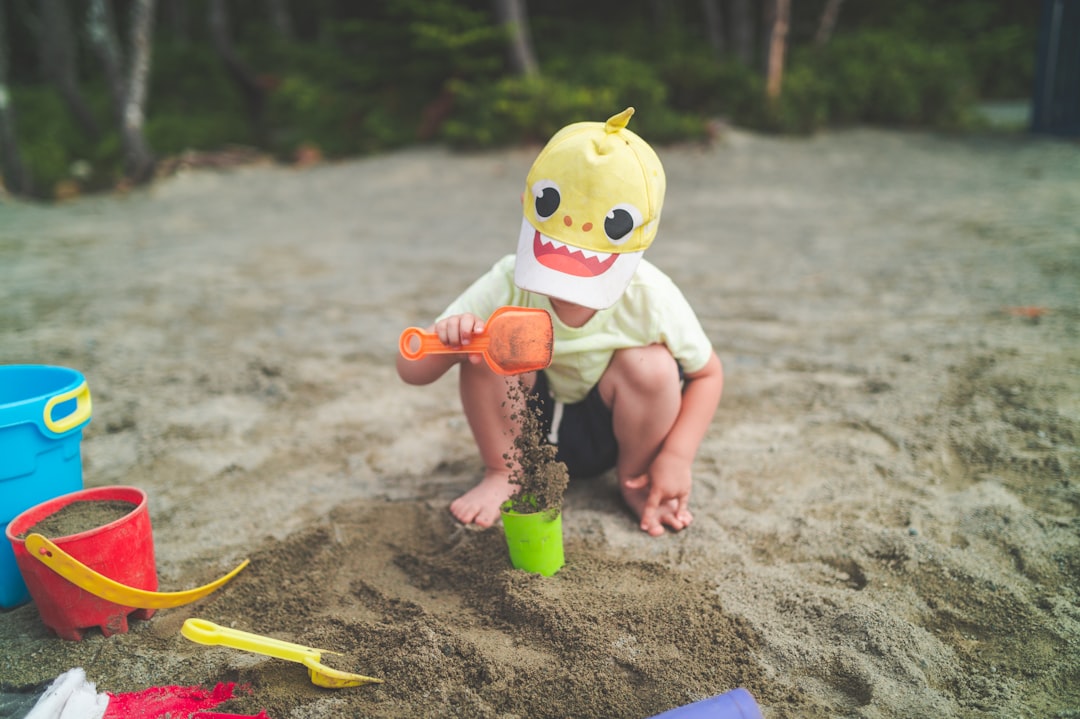
Are you ready to turn simple sand into hours of fun and creativity? Playing with sand toys isn’t just about digging and building; it’s a chance for you to explore, imagine, and relax.
Whether you’re at the beach, in a sandbox, or even in your backyard, knowing how to use sand toys can make every moment more exciting. In this guide, you’ll discover easy tips and tricks that will help you get the most out of your sand play.
Keep reading, and you’ll unlock the secret to endless fun right at your fingertips!
Choosing The Right Sand Toys
Choosing the right sand toys can make a huge difference in how much fun you and your kids have at the beach or sandbox. The right tools encourage creativity, improve motor skills, and keep everyone engaged longer. But how do you pick toys that fit your needs and skill level?
Essential Tools For Beginners
Start with simple toys that are easy to use and clean. Buckets, shovels, and basic molds are perfect for young kids just learning to play with sand. These tools help them practice scooping, pouring, and shaping sand without frustration.
Look for sets that include different scoop sizes and simple shapes like stars or animals. This variety keeps play interesting and helps kids experiment with different textures and forms. Have you noticed how a small bucket can turn into a castle foundation or a simple mold can create a treasure chest?
Specialty Toys For Advanced Play
Once your child masters the basics, it’s time to add toys that encourage more detailed and imaginative play. Tools like sand sifters, carving tools, and stacking rings let kids explore texture and design. These toys promote fine motor skills and patience.
Consider toys that mimic real construction gear, such as mini dump trucks or cranes. These can spark interest in engineering and role-play. What new shapes or structures could your child create with more precise tools?
Safe And Durable Materials
Safety is key when choosing sand toys, especially if young children are involved. Look for toys made from non-toxic, BPA-free plastic or natural wood that won’t break easily. Durable materials withstand rough play and last through many beach trips.
Check for smooth edges and secure parts to avoid cuts or choking hazards. Toys that can be cleaned easily are also a smart choice. How often do you inspect your child’s toys for wear and safety?
Setting Up The Perfect Sand Play Area
Creating the perfect sand play area enhances fun and creativity for children. A well-set space invites kids to explore and build with sand toys. Thoughtful setup ensures safety, comfort, and easy cleanup. Focus on location, surface, and boundaries for the best experience.
Selecting The Ideal Location
Choose a spot with plenty of natural light and some shade. Avoid areas near roads or water bodies for safety. A flat surface helps keep the sand level and toys stable. Ensure the place is easy to supervise by adults.
Preparing The Sand Surface
Start by clearing debris like sticks and stones. Rake the sand to smooth the surface for easy digging. Use clean, fine sand made for play to avoid injuries. Keep the sand dry to prevent clumping and bacteria growth.
Creating Boundaries And Zones
Use wooden planks, plastic borders, or tires to mark the sand area. Boundaries keep sand contained and reduce mess. Create zones for different activities like digging, building, and pouring. Clear zones help children focus and reduce conflicts.
Basic Sand Play Techniques
Basic sand play techniques create a strong foundation for fun and creativity. These skills help children explore textures, shapes, and their imagination. Playing with sand toys improves hand strength and coordination. It also encourages problem-solving and planning.
Start with simple activities. Use your hands and toys to feel the sand’s texture. Learn how wet and dry sand behave differently. These early experiences make sand play more enjoyable and rewarding.
Building Simple Sandcastles
Simple sandcastles begin with a good base. Pat wet sand firmly to shape a mound. Use your hands or a small shovel to smooth the sides. Press sand down gently to keep the castle sturdy.
Build towers by piling sand in small piles. Shape them with fingers or tools. Add details like walls or moats by digging around the base. Let the castle dry a bit to hold its form.
Using Molds And Buckets
Molds and buckets make building easier and faster. Fill them with damp sand and press firmly. Turn the mold or bucket over carefully. Tap the sides to release the sand shape.
- Use different shapes for variety.
- Stack molds for complex designs.
- Fill gaps with loose sand to connect pieces.
Cleaning molds regularly prevents sand from sticking. Experiment with sizes and shapes to create unique structures.
Shaping And Sculpting Basics
Sculpting requires gentle pressure and patience. Start by forming rough shapes with hands. Use small tools like sticks or spoons for details.
Carve slowly to avoid breaking the sand. Smooth surfaces by brushing with fingers or a soft brush. Add textures by pressing leaves or shells onto the sand.
- Work from large shapes to small details.
- Keep sand moist for easier shaping.
- Fix mistakes by adding or smoothing sand.
Creative Sand Toy Ideas
Creative sand toy ideas can turn a simple playtime into an exciting adventure. They encourage you to experiment and see sand in a whole new way. By trying out different techniques, you’ll discover how versatile sand toys really are.
Making Sand Art And Patterns
Use small molds and cookie cutters to create detailed shapes in the sand. Press the toys firmly and lift them slowly to reveal crisp designs. You can also draw patterns using sticks or your fingers, then fill the grooves with colored sand or tiny shells.
Have you ever tried layering sand of different colors? It creates a stunning striped effect that looks like a natural sand sculpture. This is a great way to add depth and vibrancy to your creations.
Combining Water For New Textures
Adding water to your sand changes its texture completely, making it easier to mold and shape. Wet sand holds together better, allowing you to build castles or sculptures that stand tall. Try experimenting with different amounts of water to find the perfect consistency.
Did you know you can use spray bottles to gently moisten the sand without soaking it? This helps maintain a workable texture for longer periods. It’s a simple trick that keeps your sand creations from crumbling too fast.
Incorporating Natural Elements
Collect leaves, twigs, and small stones from around you to decorate your sand play. These natural items add interesting details and textures to your sand art. Try arranging them in patterns or using them to create borders and frames.
Have you ever built a miniature garden or landscape using sand as the base? Adding flowers, pebbles, or pine cones can make your sand scene feel alive. This approach encourages you to look closer at the environment and use what’s around you creatively.
Group Play And Social Activities
Playing with sand toys encourages teamwork and sparks creativity among friends. Sharing tools and building together makes social time fun and engaging. Children learn to communicate and cooperate while enjoying hands-on play.
Group play with sand toys offers endless fun and learning. Kids bond and learn social skills through shared activities in the sand. This fosters creativity and cooperation among children. Let’s explore some exciting group activities.
Collaborative Sandcastle Projects
Building sandcastles together is a rewarding experience. Children learn to plan and execute ideas as a team. They can assign roles like architect, builder, and decorator. This encourages communication and boosts problem-solving skills. Kids enjoy watching their collective creation take shape. They develop patience and understand the value of teamwork.
Sand Toy Games For Kids
Sand toy games make playtime more engaging. Organize races using toy trucks in the sand. Create treasure hunts by hiding small items in the sand. These games inspire friendly competition and keep kids active. Encourage them to invent new games with their toys. This helps develop imagination and leadership abilities.
Encouraging Sharing And Teamwork
Sharing is key in group play. Teach kids to take turns using popular toys. Praise them for sharing and helping each other. Create activities where sharing is a part of the game. This reinforces the importance of cooperation. Children feel included and learn empathy through shared play experiences.
Maintaining And Cleaning Sand Toys
Maintaining and cleaning sand toys keeps them safe and fun for kids. Regular care stops dirt build-up and prevents mold. Clean toys last longer and stay bright. It is easy to keep sand toys in good shape with simple steps. Proper storage also helps avoid damage and mess.
Simple Cleaning Tips
Rinse sand toys with warm water after each play. Use a soft brush to remove stuck sand. Wash toys with mild soap and water for a deeper clean. Avoid harsh chemicals that can harm plastic. Let toys dry completely in the sun to stop mold growth.
Storage Solutions
Store sand toys in a dry, covered container. Use a plastic bin with a lid to keep out dirt and bugs. Keep toys in a shaded area to avoid sun damage. Arrange toys so air can flow around them. Dry toys before putting them away to prevent mildew.
Extending Toy Lifespan
Check toys often for cracks or broken parts. Fix or discard damaged toys to keep play safe. Rotate toys to reduce wear on favorites. Avoid leaving toys outside in bad weather. Regular cleaning and proper storage help toys last longer and stay fun.
Frequently Asked Questions
What Are The Best Sand Toys For Beginners?
The best sand toys for beginners include buckets, shovels, molds, and rakes. These simple tools help kids explore and create easily. Starting with basic toys encourages creativity and fine motor skill development in young children.
How Do You Keep Sand Toys Clean And Safe?
Rinse sand toys with fresh water after each use. Allow them to dry completely to prevent mold and bacteria. Store toys in a dry, covered container to keep them safe and clean for future play sessions.
Can Sand Toys Improve Children’s Motor Skills?
Yes, sand toys enhance fine and gross motor skills. Scooping, pouring, and shaping sand require hand-eye coordination and muscle control. These activities promote sensory development and encourage imaginative play in children.
What Creative Games Can You Play With Sand Toys?
Creative games include building sandcastles, digging tunnels, and making shapes with molds. Children can role-play as builders or explorers. These activities stimulate imagination, teamwork, and problem-solving skills during sand play.
Conclusion
Playing with sand toys brings joy and sparks creativity. Kids build castles, dig tunnels, and shape fun stories. Sand play helps develop hands and minds together. It encourages sharing and teamwork with friends. Simple tools like buckets and shovels make great fun.
Spend time outside to enjoy fresh air and sunshine. Let children explore and imagine with sand toys daily. These moments create happy memories and learning chances. Try different toys to keep the play fresh and exciting. Sand play is easy, fun, and good for growth.