






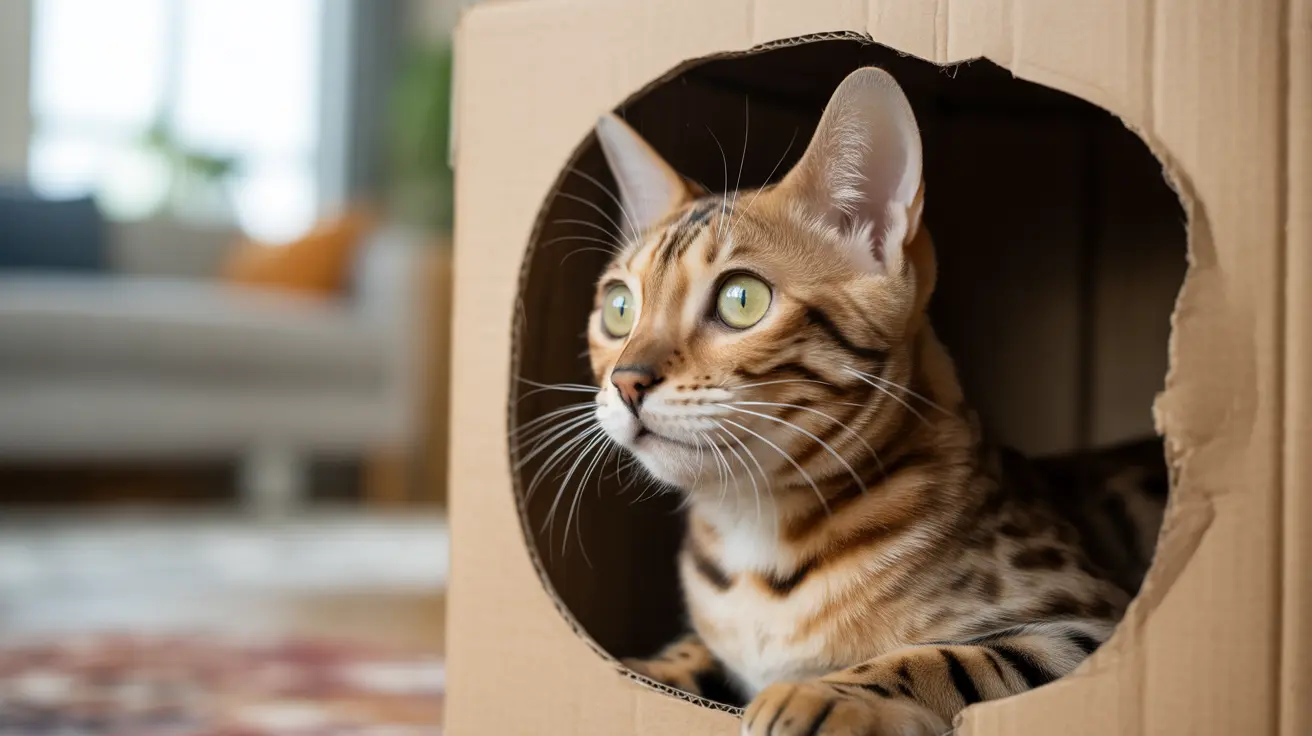
Do you want to have fun with your cat but don’t have any toys around? You’re not alone.
Sometimes, the best playtime happens without fancy gadgets. Imagine bonding with your furry friend using just your hands, your voice, and a little creativity. This isn’t just fun—it’s a way to make your cat feel loved and understood. Keep reading, and you’ll discover simple, exciting ways to turn everyday moments into playful adventures with your cat—no toys needed.

Credit: www.reddit.com
Benefits Of Playing Without Toys
Playing with your cat without toys can be fun and rewarding. It helps you connect in simple, natural ways.
Using your hands, voice, and body can keep your cat interested. This kind of play has many benefits.
Enhancing Bonding Time
Playing without toys lets you focus on your cat’s reactions. Your cat learns to trust and enjoy your company more.
This close interaction builds strong emotional ties. It also helps your cat feel safe and loved.
Stimulating Natural Instincts
Using your hands or simple movements mimics hunting. This awakens your cat’s natural chasing and pouncing skills.
It keeps your cat active and sharp. Your cat practices skills it would use in the wild.
- Chasing fingers simulates prey
- Moving your hand encourages stalking
- Quick gestures invite pouncing
Saving Money And Space
Playing without toys means no need to buy many items. This saves money and reduces clutter in your home.
You can enjoy playtime anywhere, even in small spaces. Your hands and voice are all you really need.
Using Everyday Items
Playing with your cat can be fun without buying new toys. Many things around the house can make great playthings. These items keep your cat active and happy.
Using everyday objects is easy and safe. You just need to know which items work well and how to use them safely.
Household Objects That Work
Simple objects can catch your cat’s attention. Paper balls, cardboard boxes, and bottle caps are great examples. Cats like to chase, hide, and pounce on these items.
- Paper balls made from crumpled paper
- Empty cardboard boxes for hiding and jumping
- Plastic bottle caps for batting around
- Straws or pipe cleaners to wiggle
- Old socks tied into knots
Safe Play Materials
Choose materials that won’t hurt your cat. Avoid sharp edges, small parts, or toxic substances. Keep play items clean and inspect them often.
| Material | Safe Use Tips |
| Paper | Use plain paper, avoid ink or glitter |
| Cardboard | Check for staples or tape before use |
| Plastic Caps | Make sure they are large enough not to swallow |
| Fabric | Use soft, clean cloth without loose threads |
| Rubber Bands | Supervise play closely, remove after use |
Creating Diy Play Tools
Making your own toys saves money and can be fun. Use common items to create tools that encourage your cat to chase or bat.
Try these simple DIY toys:
- A wand made from a stick and a ribbon
- A treat puzzle from a toilet paper roll
- A ball track using a paper towel tube
- A feather tied to a string
Always watch your cat during play to keep them safe.
Interactive Play Techniques
Playing with your cat without toys can be fun and simple. You can use your hands, movements, and sounds to keep your cat active.
These interactive play methods help build a strong bond with your cat. They also keep your cat healthy and happy.
Chasing And Pouncing Games
Move your fingers or hand slowly on the floor. Let your cat watch and then chase the movement.
Hide your hand behind a pillow or corner. Then quickly move it out for your cat to pounce on it. This keeps their hunting skills sharp.
- Use quick, small movements to attract attention
- Vary speed to keep your cat interested
- Let your cat catch your hand sometimes to feel success
Hide And Seek Activities
Hide behind furniture or doors and peek out. Call your cat softly to come find you.
Let your cat explore and find where you are hiding. This play helps with your cat’s curiosity and mental skills.
- Use a gentle voice to encourage your cat
- Make sure hiding spots are safe and easy to get out of
- Reward your cat with petting when they find you
Using Hands And Fingers Wisely
Use your fingers like little moving targets. Wiggle them slowly to catch your cat’s attention.
Stop if your cat bites too hard. Keep your hands soft and gentle during play to avoid scratches.
- Move fingers lightly to simulate prey
- Watch your cat’s mood to avoid overstimulation
- Use gentle petting as a reward after play
Credit: www.lemon8-app.com
Encouraging Movement And Exercise
Playing with your cat helps keep them active and healthy. Exercise reduces stress and prevents weight gain. You can encourage movement without using toys.
Use your home space and simple activities to make your cat run, jump, and climb. This will keep your cat happy and fit.
Running And Jumping Activities
Running and jumping are great ways to build your cat’s muscles. Use your hands or simple objects to create fun challenges. Cats love chasing moving targets.
- Wave your fingers quickly to make your cat chase them
- Use a flashlight beam for your cat to jump and catch the light
- Move a string or ribbon slowly on the floor for your cat to run after
Obstacle Courses At Home
Set up simple obstacle courses using household items. This encourages your cat to explore and stay active. Change the course often to keep it interesting.
| Obstacle | How to Use |
| Chairs | Jump over or crawl under |
| Boxes | Climb inside or jump on top |
| Pillows | Step or hop between them |
| Blankets | Make tunnels for crawling |
| Small Tables | Jump on and off safely |
Climbing And Exploring Ideas
Cats love to climb and explore high places. Create safe spots where your cat can climb and observe. Use shelves or sturdy furniture to build climbing areas.
- Place cushions below climbing spots for safety
- Use non-slip mats on shelves
- Keep climbing areas away from fragile items
- Encourage exploration by placing treats or safe objects on different levels
Reading Your Cat’s Signals
Playing with your cat without toys needs attention to their body language.
Understanding your cat’s signals helps keep playtime fun and safe.
Recognizing Playful Behavior
Look for signs like a relaxed body, wagging tail tip, or playful pouncing.
- Bright eyes and focused gaze
- Light paw taps or gentle swats
- Quick, bouncy movements
- Playful chirps or meows
Knowing When To Stop
Stop play if your cat shows signs of stress or tiredness.
| Signal | Meaning |
| Flattened ears | Fear or irritation |
| Hissing or growling | Discomfort or warning |
| Swatting with claws out | Too rough or annoyed |
| Sudden freezing | Feeling overwhelmed |
| Heavy breathing | Needs a break |
Adjusting Play To Your Cat’s Mood
Change your play style based on how your cat feels at the moment.
Try these tips:
- If your cat is calm, use slow, gentle movements.
- When excited, increase speed and energy.
- If shy, let your cat approach first.
- Use your hands softly to avoid startling them.
Safety Tips For Toy-free Play
Playing with your cat without toys can be fun and safe. It helps build trust and keeps your cat active.
Always watch your cat during play to avoid accidents. Use safe methods to keep your cat happy and healthy.
Avoiding Harmful Objects
Not all household items are safe for cats to play with. Some small or sharp objects can hurt your cat.
Remove or block access to dangerous things before playtime. Keep your cat away from cords, pins, and breakable items.
- Keep small objects like buttons and rubber bands away
- Do not use string or yarn without supervision
- Watch out for sharp edges on furniture or decorations
- Remove toxic plants or chemicals from play areas
Monitoring Play Sessions
Always stay near your cat when playing without toys. This helps you stop play if it gets too rough or dangerous.
Short play sessions are better. Cats can get tired or overstimulated if play lasts too long.
- Watch your cat’s body language for signs of stress
- Stop play if your cat seems aggressive or scared
- Give your cat water and rest breaks during play
- Use calm voices and gentle movements
Keeping Claws And Teeth In Check
Claws and teeth can hurt you during play. Teach your cat to be gentle with hands and feet.
Trim your cat’s claws regularly to reduce scratches. Use nail clippers made for cats and be careful.
- Offer soft alternatives to bite, like a cloth
- Stop play if your cat bites too hard
- Reward gentle behavior with praise or treats
- Keep nail trimming calm and positive

Credit: www.reddit.com
Frequently Asked Questions
How Can I Engage My Cat Without Using Toys?
You can use everyday items like string, paper balls, or flashlight beams. Cats love chasing moving objects, so simple household items stimulate their hunting instincts effectively.
What Are Fun Activities To Play With Cats Indoors?
Try interactive games like hide and seek, laser pointer chases, or feather dancing with your hand. These activities keep cats active and mentally sharp.
How Often Should I Play With My Cat Daily?
Aim for at least 10 to 15 minutes, two to three times a day. Regular play prevents boredom and promotes healthy exercise for your cat.
Can I Use My Hands Safely To Play With My Cat?
Yes, but avoid using fingers directly to prevent scratches. Use your hands to mimic prey movements gently, but switch to safe alternatives if your cat becomes aggressive.
Conclusion
Playing with your cat strengthens your bond. No toys needed. Just creativity and love. Cats enjoy simple activities. Hide and seek, or a chase game. These encourage physical activity. Communication improves too. Pay attention to your cat’s cues. It enhances your understanding.
Quality time matters most. It’s about fun and connection. A happy cat means a happy home. Regular playtime keeps your cat active. Your relationship deepens with each session. Appreciate these moments together. They bring joy and laughter. Building memories. Simple, yet meaningful.