


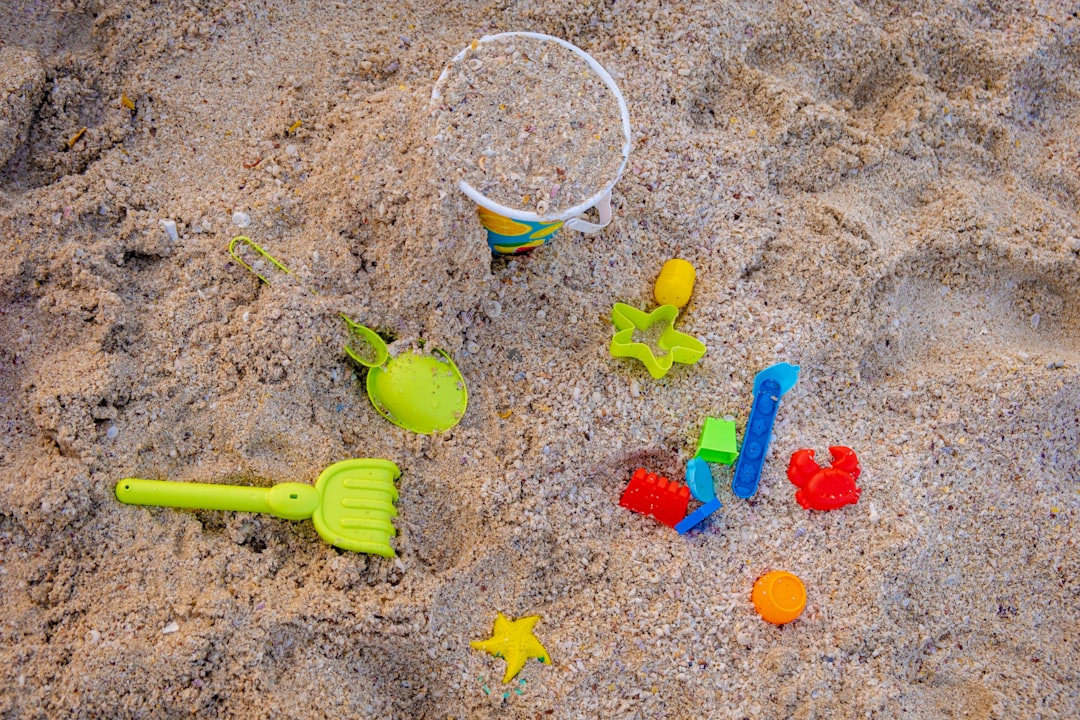
Have you ever felt that sinking feeling when your child’s favorite toy disappears into the sand? Losing toys on the beach can turn a fun day into a frustrating one.
But what if you could stop this from happening? Imagine enjoying the sun and waves without constantly worrying about lost toys. You’ll discover simple and effective tips to keep your toys safe and sound while you soak up the beach vibes.
Keep reading—your next beach trip will thank you!
Choose The Right Toys
Choosing the right toys for a day at the beach can make a huge difference in preventing them from getting lost. The right toys don’t just keep your child entertained—they also stay visible and intact amid sand, water, and wind. Picking wisely means less stress and more fun for everyone.
Opt For Bright Colors
Brightly colored toys are easier to spot against the neutral tones of sand and water. Think neon oranges, vivid reds, and electric blues—these colors stand out even if the toy rolls a few feet away.
Have you ever spent ten minutes searching for a dull-colored shovel? Choosing toys in bright colors saves you that hassle and helps kids keep track of their own things.
Select Durable Materials
Beach toys face rough conditions: sun, saltwater, and rough handling. Toys made from tough plastic or rubber last longer and don’t break easily.
Fragile toys can shatter or lose parts, increasing the chance of losing pieces in the sand. Durable toys also mean fewer replacements and less waste.
Avoid Small Parts
Toys with tiny detachable parts are easy to lose and can be dangerous for younger children. Small pieces often get buried in the sand or swept away by the tide.
Choosing toys without small parts keeps playtime simpler and safer. Plus, it’s easier to gather everything up quickly when it’s time to leave.
Organize Toy Storage
Organizing toy storage is a simple yet powerful way to keep your beach day stress-free. When toys have a designated place, it becomes easier to keep track of them, reducing the chance of leaving any behind. Small habits can make a big difference, especially when sand and waves are involved.
Use A Beach Toy Bag
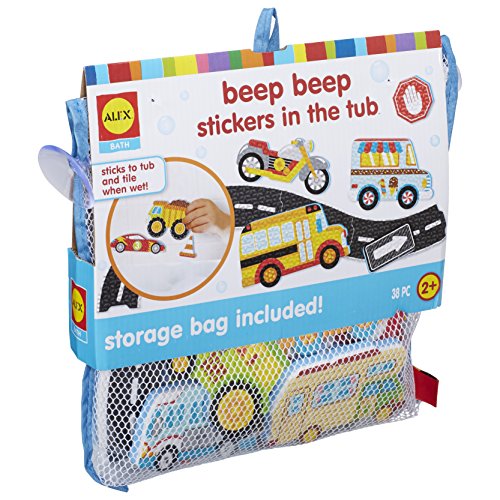
A sturdy beach toy bag is essential for keeping everything in one spot. Look for bags with mesh sides or holes—this helps sand fall through and keeps toys dry. Having a single container means you won’t waste time searching for scattered toys.
Try using a bag with a drawstring or zipper to prevent toys from spilling out when you move around. It’s a simple addition that saves you from chasing after rolling balls or floating buckets.
Label Each Toy
Labeling toys with your child’s name or a unique mark helps them stand out from others on a busy beach. Use waterproof stickers or permanent markers to avoid fading in the sun or water. This small step encourages responsibility and makes it easier to spot lost toys.
Have you noticed how quickly toys can get mixed up with others’? Labeling not only helps you but also other parents return toys to their rightful owners if found.
Keep Toys Together
Grouping similar toys together creates a system that’s easy to manage. For example, keep all shovels, buckets, and molds in separate compartments or small pouches within the main bag. This way, you’ll know exactly where to look when packing up.
Keeping toys together also speeds up cleanup time. Instead of hunting for individual pieces, you grab a whole set at once. What’s your current system for gathering toys before leaving the beach?
Set Toy Rules
Setting clear toy rules is essential to keep your beach day organized and prevent the frustration of lost toys. When everyone knows what’s expected, it’s easier to keep track of belongings and enjoy your time without constant searching. Simple, consistent rules create a fun and stress-free environment for both kids and adults.
Assign A Toy Spot
Choose a specific spot on the beach where all toys must stay. This can be a brightly colored beach towel, a small blanket, or a designated corner of your beach umbrella area. When toys have a home, it’s easier to spot if something goes missing.
Try making this spot visible and accessible to kids. You could even use a small container or bucket to keep smaller items together. This helps teach kids that toys belong in one place, making cleanup quicker and less chaotic.
Establish Toy Check-ins
Set regular times to check the toy spot together, especially before moving to a new area or leaving the beach. This habit encourages kids to be mindful of their toys and prevents last-minute scrambling.
Asking questions like, “Did you bring all your toys back to the spot?” makes children pause and think about their belongings. You might find that these short check-ins become a natural part of your routine, saving you from losing favorite toys.
Encourage Responsibility
Give kids ownership over their toys by involving them in the rules and cleanup process. When children feel responsible, they’re more likely to take care of their things.
Try turning it into a game or challenge, such as who can keep their toys organized the longest. You’ll notice they take pride in keeping their toys safe, which reduces the chances of toys being left behind or lost.
Use Tracking Devices
Keeping track of your child’s toys on the beach can be challenging, especially with the wind, waves, and crowds. Tracking devices offer a smart way to avoid losing those favorite beach toys. These small gadgets can help you locate toys quickly, saving time and frustration.
Attach Gps Tags
GPS tags are small devices that use satellite signals to pinpoint the exact location of your toy. You can easily attach them to beach buckets, shovels, or even inflatable toys. With a smartphone app, you can see where your toy is on a map, even if it’s far from your spot.
Imagine your child’s bucket rolling away with the tide—GPS tags can help you find it fast. Just make sure the tag is waterproof and securely attached so it doesn’t come off during play.
Try Bluetooth Trackers
Bluetooth trackers work best within shorter distances, usually up to 100 feet. They connect to your phone and alert you if your toy moves out of range. These are perfect for keeping toys close by while you relax or watch other kids play nearby.
One time, I lost a beach ball in the sand for almost an hour, but the Bluetooth tracker’s alert helped me locate it quickly. These devices are lightweight and often come with loud alarms, making lost toys easier to spot.
Check Battery Life
Tracking devices rely on batteries, so it’s important to check their life before heading to the beach. Dead batteries mean no tracking, and that can lead to lost toys. Some devices offer rechargeable batteries, while others require replacements—know which type you have.
Consider carrying extra batteries or a portable charger in your beach bag. How often do you check your device’s battery? Making this a habit can save you from losing toys and the hassle of searching through sand and waves.
Prepare For Beach Cleanup
Taking toys to the beach is fun, but losing them is not. Preparing for a beach cleanup is crucial to ensure all toys return home safely. This preparation not only keeps the beach tidy but also teaches responsibility. A well-organized cleanup can transform a simple task into a delightful family activity.
Plan Toy Collection Time
Set a specific time to gather toys before leaving. This helps prevent last-minute rushes. A dedicated collection time makes the process smoother and more efficient. It ensures everyone is aware and ready to contribute. Keep an eye on the clock and announce the collection time in advance.
Involve Kids In Cleanup
Make kids part of the cleanup process. Involvement gives them a sense of responsibility. Assign each child a specific task or toy to collect. This engagement makes the activity more enjoyable. Turn it into a game by seeing who collects the most items. Encourage teamwork and praise their efforts.
Inspect For Forgotten Items
Before leaving, conduct a final inspection. Check all areas where toys were used. Look under towels and blankets for hidden treasures. Ensure nothing is left behind on the sand. This thorough inspection helps avoid losing any cherished toys. It also ensures the beach remains clean and inviting for others.
Create A Lost Toy Kit
Creating a lost toy kit is a smart way to keep your beach day stress-free. It acts like a safety net for any toy that might wander off or get misplaced in the sand. Having this kit ready means you won’t have to cut your fun short hunting for lost items.
Include Spare Toys
Pack a few spare toys that your kids enjoy. Small buckets, shovels, or simple beach balls work well as backups. When a favorite toy goes missing, you can quickly swap it out without any fuss.
Think about the toys your children use the most. Having duplicates of these means less upset and more playtime. It’s like having a backup plan that keeps the beach day rolling smoothly.
Pack Replacement Items
Besides toys, consider other beach essentials that often get lost, like sunglasses or water bottles. Keep inexpensive replacements in your lost toy kit. This way, if something goes missing, you can replace it without a trip back home or a store run.
Imagine your child’s disappointment if their favorite hat disappears. Having a replacement handy can turn that moment around quickly. What other items could you add to your kit to avoid losing the fun?
Keep Contact Information
Attach a small tag or label with your contact details to each toy in your kit. If a toy ends up in someone else’s hands, there’s a better chance it will find its way back to you. Simple labels with a phone number or email work wonders.
It’s easy to overlook this step, but it can save you hours of searching. Next time you’re at the beach, notice how many toys don’t have any identifying marks. How much easier would it be if every toy had a name tag?
Frequently Asked Questions
How Can I Keep Toys From Getting Lost On The Beach?
Use a large mesh bag or a brightly colored container to store toys. Keep the bag in sight and encourage kids to return toys after use. This method prevents toys from blending into the sand or being carried away by wind or waves.
What’s The Best Way To Label Beach Toys?
Label toys with waterproof markers or attach personalized tags. Clear labeling helps identify lost items quickly and makes it easier for others to return them if found. This simple step reduces the chances of permanent loss.
Are There Specific Toys Less Likely To Get Lost At The Beach?
Yes, larger toys and brightly colored items are easier to spot. Avoid small or lightweight toys that can be easily buried or blown away. Choosing durable, visible toys minimizes the risk of losing them.
How To Teach Kids To Prevent Losing Toys At The Beach?
Set clear rules about toy use and storage before beach time. Encourage kids to check their toys regularly and clean up before leaving. Teaching responsibility helps children keep track of their belongings effectively.
Conclusion
Keeping toys safe on the beach takes a little planning. Use bags or boxes to store your toys when not in use. Always check the area before leaving for any forgotten items. Teach kids to put toys away after playing.
Small steps help avoid lost toys and keep the fun going. A little care means less worry and more beach joy. Try these tips on your next trip. You will enjoy your time without losing toys. Simple habits make a big difference.