






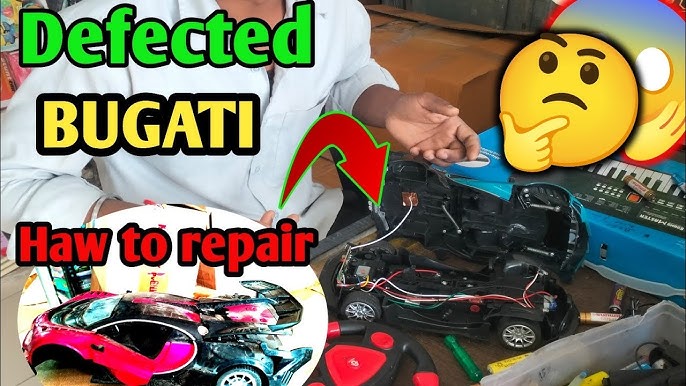
Is your child’s favorite electric toy car not working like it used to? You don’t have to toss it out or spend a fortune on a new one.
Repairing your electric toy car can be simpler than you think. In this guide, you’ll discover easy steps to fix common problems and get that car running smoothly again. Keep reading, and you’ll save money, avoid frustration, and bring back the joy your child gets from their toy.
Common Issues With Electric Toy Cars
Electric toy cars bring joy to children but can stop working due to common issues. These problems often involve the battery, motor, wiring, or wheels. Understanding these faults helps fix the toy quickly and safely.
Battery Problems
Batteries are the power source for electric toy cars. Dead or weak batteries cause the car to stop moving or work slowly. Corroded battery terminals can block electricity flow. Checking battery charge and cleaning terminals often solves the issue.
Motor Malfunctions
The motor drives the car’s movement. Motors can burn out from overuse or get stuck with dirt. A faulty motor may make strange noises or no sound at all. Testing motor function helps identify if it needs repair or replacement.
Wiring And Connection Faults
Loose or broken wires stop power from reaching parts of the car. Poor connections cause intermittent or no movement. Inspecting wires for damage and ensuring tight connections restores proper function. Soldering or replacing wires may be necessary.
Wheel And Axle Issues
Wheels and axles support smooth motion. Dirt, debris, or bent axles can cause wheels to jam. Worn-out tires reduce traction. Cleaning wheels and straightening axles improve performance. Replacing damaged parts ensures smooth driving.

Credit: www.youtube.com
Tools Needed For Repairs
Repairing an electric toy car requires the right tools to work safely and effectively. Having the proper tools saves time and prevents damage. Some tools are basic, while others check electrical parts. Replacement parts may also be needed to fix broken components.
Basic Hand Tools
These are essential for most repairs. A good set includes:
- Screwdrivers (flathead and Phillips)
- Pliers for gripping and bending wires
- A small wrench or socket set for bolts
- Wire cutters for trimming wires
- A utility knife for opening parts
These simple tools help open the toy and remove broken parts.
Electrical Testing Devices
Electric toy cars need functioning circuits. Testing devices check this easily. Important tools include:
- A multimeter to measure voltage, current, and resistance
- A continuity tester to check if wires connect properly
- A battery tester to check battery health
These devices find electrical faults fast and accurately.
Replacement Parts
Some parts wear out or break during use. Common replacements are:
- Wheels and tires
- Motors and gears
- Batteries and battery connectors
- Switches and wiring
Having spare parts ready helps fix issues quickly and keeps the toy running.
Preparing For Repair
Preparing for repair is a crucial stage that sets the foundation for fixing your electric toy car effectively. Taking time to organize and understand the task ahead can save you frustration and prevent further damage. Let’s break down the key steps you should take before diving into the repair process.
Safety Precautions
Your safety comes first when working with electric toys. Always disconnect the battery or power source before opening the toy car. This simple step prevents electric shocks and accidental short circuits.
Wear protective gloves to avoid cuts from small sharp parts inside the toy. Eye protection is also wise if you’re dealing with springs or components under tension. Have a clean, well-lit workspace to keep track of tiny screws and parts.
Gathering Materials
Before starting, gather all necessary tools and replacement parts. Common tools include a small screwdriver set, multimeter, tweezers, and electrical tape. You might also need spare batteries, wires, or motors depending on the issue.
Check if you have the toy’s manual or a wiring diagram. These resources can guide you through tricky spots and help you identify the right components. Having everything ready upfront prevents interruptions and keeps you focused.
Diagnosing The Problem
Take a close look at the toy car to identify what’s wrong. Does it fail to move? Are the wheels spinning but the car doesn’t respond? Observing the symptoms helps narrow down the possible causes.
Use your multimeter to test the battery and electrical connections. Loose wires or corroded contacts often cause issues. Can you pinpoint whether it’s a power problem, mechanical fault, or something else? Your diagnosis will direct your repair efforts.
Fixing Battery Issues
Check the battery connections for dirt or corrosion and clean them carefully. Replace old batteries with fresh ones to restore power. Test the charger to ensure it works properly and charges the battery fully.
Fixing Battery Issues Electric toy cars bring endless joy to children, but a dead battery can halt the fun abruptly. If your child’s toy car isn’t running as smoothly as it once did, the battery might be the culprit. Understanding how to fix battery issues can save you both time and money.
Checking And Replacing Batteries
Begin by checking if the battery is fully charged. A multimeter can be handy to measure the battery voltage. If the voltage is below the recommended level, it’s time for a replacement. Sometimes, simply replacing the old batteries with new ones can solve the problem. Ensure you’re using the correct battery type and size. Double-check the toy’s manual if you’re unsure. Keep an eye on how quickly the battery drains. If it discharges faster than expected, there could be an underlying issue. Consider consulting a professional if the problem persists.
Cleaning Battery Contacts
Dirty battery contacts can hinder performance. Dust and corrosion can build up, preventing the toy car from getting power. Cleaning these contacts can often restore functionality. Use a clean cloth or a cotton swab dipped in vinegar to gently clean the contacts. Be careful not to damage them during the cleaning process. Ensure they are completely dry before reassembling the toy car. Have you ever noticed how a simple cleaning can make things work like new? Regular maintenance of battery contacts can extend the life of the toy and keep it running smoothly.
Repairing The Motor
Repairing the motor is often the key to bringing your electric toy car back to life. The motor is the heart of the car’s movement, and any issues here can stop it from running smoothly. Understanding how to test, maintain, and replace the motor can save you time and money.
Testing Motor Function
Start by checking if the motor responds when power is applied. Use a multimeter to measure voltage across the motor terminals. If the motor doesn’t spin or hum, it might be faulty or have wiring issues.
Sometimes, the problem isn’t the motor itself but loose connections or dirty contacts. Have you ever found that simply reconnecting wires fixed the problem? Don’t overlook these simple checks before assuming the motor is dead.
Lubricating Moving Parts
Motors need lubrication to reduce friction and wear. Apply a small amount of light machine oil or silicone lubricant to the motor’s shaft and gears. Avoid using too much oil, as it can attract dust and cause more problems.
Lubrication can improve performance and extend the life of your motor. If your toy car makes grinding noises or moves sluggishly, lubrication might be all it needs. Have you noticed how a little oil can make a huge difference in mechanical devices?
Replacing A Faulty Motor
If testing shows the motor is beyond repair, it’s time to replace it. Look for a motor with the same voltage and size specifications as the original. Using the correct replacement ensures your car will run as intended.
Carefully disconnect the old motor, noting how wires are attached. Connect the new motor exactly the same way, then test the car before fully reassembling. Have you ever swapped parts and found your toy running better than new?

Credit: repairingservicesdubai.com
Addressing Wiring Problems
Wiring problems are a common cause of electric toy car malfunctions. Faulty or loose wires can stop your car from running smoothly or at all. Addressing these issues requires careful inspection and some hands-on repair work, but you don’t need to be an expert to fix most wiring problems yourself.
Inspecting For Loose Connections
Start by carefully checking every wire connection inside the toy car. Look for wires that appear disconnected or have visible gaps between connectors. Gently wiggle each wire to see if it moves easily—loose connections often cause intermittent power issues.
Use a small flashlight to spot any corrosion or dirt that might be blocking the connection. Have you noticed your car cutting out suddenly? Loose connections are usually the culprit behind such unpredictable behavior.
Repairing Or Replacing Wires
If a wire is damaged or frayed, it’s best to replace it rather than trying to patch it up with tape. Use wires of the same gauge and color to keep things organized and safe. Cut the faulty section out and strip the ends of the new wire carefully before connecting.
Sometimes, wires get pinched or bent inside tight spaces. Make sure to route the new wires so they avoid sharp edges and moving parts. Have you checked if your replacement wire feels sturdy and has no exposed strands? This can prevent shorts and improve performance.
Soldering Tips
Soldering gives you a strong, lasting connection between wires and components. Use a low-wattage soldering iron and rosin-core solder for the best results. Heat the wire and connector briefly, then apply solder to create a smooth, shiny joint.
A common mistake is overheating the wires, which can damage insulation or components. Keep your soldering quick and precise. Practice on spare wires first if you’re new to soldering—this will boost your confidence and improve your results.
Fixing Wheels And Axles
Fixing wheels and axles is key to restoring an electric toy car’s smooth ride. Damaged wheels or bent axles cause poor movement and uneven wear. Checking these parts carefully helps spot problems early. Proper repair brings the toy car back to life and extends its use.
Aligning Wheels
Misaligned wheels make the car pull to one side or wobble. Check if all wheels sit straight and spin freely. Gently bend any bent wheel or axle back into place. Use a flat surface to test wheel alignment. Properly aligned wheels improve balance and speed.
Replacing Broken Axles
Broken axles stop wheels from turning. Remove the damaged axle with pliers or a screwdriver. Measure the old axle to find a matching replacement. Insert the new axle carefully into the wheel and chassis. Secure it tightly to avoid future breaks.
Lubricating Wheel Mechanisms
Dry wheels create friction, slowing the car down. Apply a small amount of light oil or silicone spray to axles and wheel joints. Rotate wheels while adding lubricant for even coverage. Clean excess oil to prevent dirt buildup. Lubricated wheels turn smoothly and last longer.

Credit: www.youtube.com
Final Testing And Maintenance
Testing the electric toy car ensures all parts work smoothly after repair. Regular maintenance keeps it running longer and prevents future issues.
After repairing an electric toy car, final testing and maintenance are crucial. Testing ensures the car runs smoothly and safely. Maintenance helps extend the toy’s lifespan. Let’s explore these important steps.
Running The Toy Car
Place the toy car on a flat surface. Turn it on and observe its movement. Check if all functions work correctly. Listen for any unusual sounds. This indicates potential issues. Test the steering and speed settings. Ensure the car moves in a straight line. If it veers, adjust the wheels. Confirm the battery is charging properly. Make sure the remote control operates at a good range.
Routine Maintenance Tips
Regular maintenance keeps the toy car in top shape. Clean the car’s exterior with a soft cloth. Remove dust and dirt from the wheels. Check the battery connections for corrosion. Tighten any loose screws. Lubricate the moving parts lightly. Avoid over-lubrication. Inspect the car’s wiring for any damage. Replace worn-out parts promptly. Keep the remote control’s battery fresh.
Storage Recommendations
Proper storage protects the toy car from damage. Store the car in a cool, dry place. Avoid exposure to direct sunlight. This prevents fading and overheating. Keep the car away from moisture. Use a dust cover to protect it when not in use. Ensure the battery is removed or fully charged before storage. This prevents battery leakage. Keep the remote control together with the car.
Frequently Asked Questions
How Do I Fix A Dead Battery In An Electric Toy Car?
To fix a dead battery, first check the battery charge. Replace old or damaged batteries with new, compatible ones. Always use the recommended battery type for your toy car to ensure optimal performance and safety.
Why Won’t My Electric Toy Car Move When Powered On?
If your toy car doesn’t move, check the battery connection and charge level. Inspect the wiring and motor for damage. Clean any dirt blocking the wheels or gears, which can prevent movement.
How Can I Repair A Broken Electric Toy Car Motor?
To repair a motor, first disconnect power and inspect for damage. Clean motor contacts and remove debris. Replace damaged parts or consider purchasing a replacement motor if repairs are not feasible.
What Tools Do I Need To Repair An Electric Toy Car?
Basic tools include a screwdriver set, multimeter, soldering iron, and pliers. These help in opening the toy, testing electrical components, and making necessary repairs safely and effectively.
Conclusion
Repairing an electric toy car can be simple and fun. Start by checking the battery and wires carefully. Clean parts can help the car run better. Take time to test each step to find problems. Small fixes often bring big results.
You don’t need special tools or skills. Keep your child’s toy safe and working longer. Enjoy the process and learn as you go. This saves money and gives great satisfaction. Try these steps next time the toy stops moving.