
Do you want your dog to have more fun and stay active? Teaching your dog to play with toys is easier than you think.
Imagine your furry friend happily chasing, fetching, and chewing on their favorite toys, keeping them entertained and healthy. In this guide, you’ll discover simple steps to train your dog to love their toys. Whether your dog is a puppy or an adult, these tips will help you build a stronger bond and keep playtime exciting.
Ready to turn playtime into your dog’s favorite part of the day? Let’s dive in!
Choosing The Right Toys
Training your dog to play with toys starts by picking the right ones. The right toys keep your dog interested and safe.
Different dogs like different toys. Knowing what to choose helps make playtime fun and healthy.
Types Of Dog Toys
Dog toys come in many types. Some are for chewing, others for fetching or tugging. Each type helps your dog in different ways.
- Chew toys:Help keep teeth clean and reduce boredom.
- Fetch toys:Great for active dogs that like to run.
- Tug toys:Build strength and bonding through play.
- Puzzle toys:Challenge your dog’s mind and keep them busy.
Materials And Durability
Choose toys made of safe materials. Dogs often chew hard, so durability matters. Toys should last long and not break easily.
Look for non-toxic, pet-safe materials. Avoid toys with small parts that can come off and cause choking.
- Rubber toys are strong and safe for chewing.
- Rope toys are good for tugging but check for frays.
- Plastic toys should be tough and BPA-free.
- Soft plush toys suit gentle chewers but may tear easily.
Size And Safety Considerations
Pick toys that match your dog’s size. Too small toys can be swallowed. Too big toys may be hard to carry.
Always watch your dog when playing. Replace toys if they get damaged. Safety is key to happy playtime.
- Small dogs need small to medium toys.
- Large dogs need strong, bigger toys.
- Avoid toys with sharp edges or loose parts.
- Check toys often for wear and tear.

Credit: www.thesprucepets.com
Introducing Toys To Your Dog
Teaching your dog to play with toys is fun and helpful. Toys keep dogs active and happy.
Start by choosing the right toys and introducing them gently. This helps your dog feel safe and curious.
Creating A Positive Environment
Make the play area calm and free from distractions. This helps your dog focus on the new toys.
- Choose a quiet room with soft lighting.
- Keep other pets away during playtime.
- Use comfortable bedding or mats on the floor.
- Have water nearby for your dog to drink.
Using Treats And Praise
Use treats and kind words to encourage your dog. Reward them when they show interest in the toys.
| Action | Reward |
| Sniffing the toy | Small treat |
| Touching the toy with nose or paw | Verbal praise |
| Chewing or playing with the toy | Favorite treat |
| Bringing the toy back to you | Extra playtime |
Demonstrating Toy Use
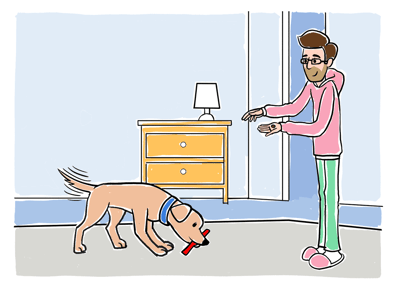
Show your dog how to use the toy by playing with it yourself. Make it look fun and safe.
Try these tips:
- Roll a ball gently across the floor.
- Shake a squeaky toy near your dog.
- Play tug gently with a rope toy.
Encouraging Play Behavior
Training your dog to play with toys helps them stay active and happy. Play is a natural way for dogs to learn and bond with you. Encouraging play behavior makes toys more fun for your dog.
Different techniques can help your dog enjoy toy play. Adding play into daily life and using commands will build good habits. These methods make playtime more rewarding for your dog.
Interactive Play Techniques
Use toys that invite your dog to join in. Tug ropes, balls, and squeaky toys work well. Show your dog how to play by moving the toy slowly at first. Let your dog catch or grab the toy to keep interest.
- Make play active but safe.
- Use toys that fit your dog’s size.
- Change toys often to keep your dog curious.
- Use praise and gentle touches during play.
Incorporating Play Into Routine
Play should be part of your dog’s daily schedule. Short play sessions work better than long ones. Try to play before walks or meals to build excitement. Consistent times help your dog expect and enjoy play.
| Time of Day | Play Activity |
| Morning | Fetch with ball for 10 minutes |
| Afternoon | Tug of war with rope toy |
| Evening | Hide and seek with small toy |
Using Commands To Reinforce Play
Teach simple commands to guide playtime. Words like “fetch,” “drop,” and “bring” help your dog understand what to do. Use treats and praise to reward good behavior during play.
- Say the command clearly and calmly.
- Show the toy and use the command.
- Reward your dog when they respond well.
- Repeat often but keep sessions short.
Credit: www.pets4homes.co.uk
Dealing With Common Challenges
Training your dog to play with toys can be tricky. Some dogs show no interest. Others play too rough or destroy their toys fast.
Understanding these common problems helps you train your dog better. Use the right approach for each challenge.
Lack Of Interest In Toys
If your dog ignores toys, try different types. Some dogs like soft toys, others prefer balls or ropes.
- Use toys that make noise or have scent
- Play with the toy yourself to show fun
- Reward your dog when they touch or hold a toy
- Limit toy availability to keep interest high
Aggressive Or Overexcited Play
Dogs can get rough or too excited during play. This can cause harm or break toys quickly.
| Behavior | Solution |
| Growling or snapping | Stop play and calm your dog before continuing |
| Jumping or biting hard | Use softer toys and give breaks during play |
| Overexcitement | Train calm commands like “sit” before play |
Chewing And Toy Destruction
Some dogs chew toys quickly and destroy them. This can be dangerous if they swallow pieces.
Try these tips to reduce chewing damage:
- Choose durable toys made for strong chewers
- Rotate toys so your dog stays interested
- Provide chew-safe alternatives like bones or dental sticks
- Supervise playtime and remove broken toys
Maintaining Long-term Engagement
Keeping your dog interested in toys takes effort over time. Dogs can get bored if they see the same toys every day. You need to find ways to keep playtime fun and fresh.
By changing toys and activities, you help your dog stay active and happy. Watching how your dog reacts helps you learn what they like best.
Rotating Toys Regularly
Switching out toys often keeps your dog curious. If you leave all toys out, your dog may lose interest quickly. Putting some toys away and bringing them back later makes them seem new again.
- Store some toys in a box when not in use
- Change the set of available toys every few days
- Mix soft toys with chew toys and balls
- Watch your dog’s reaction to each toy
Introducing New Play Activities
Adding new ways to play keeps your dog excited. Try simple activities like fetch, tug-of-war, or hide and seek. These games use toys but add fun challenges.
| Activity | Description | Benefits |
| Fetch | Throw a ball or toy for your dog to catch | Improves speed and focus |
| Tug-of-War | Pull a rope toy back and forth | Builds strength and bond |
| Hide and Seek | Hide toys for your dog to find | Enhances scent skills and curiosity |
Monitoring Your Dog’s Preferences
Pay attention to which toys your dog chooses most. Some dogs like squeaky toys. Others prefer soft or chew toys. Notice their body language and play style.
Tips to Monitor Preferences:
- Note which toys your dog plays with daily
- Observe if your dog ignores some toys
- Change toys based on your dog’s mood or age
- Use toys that encourage healthy chewing or exercise

Credit: www.youtube.com
Frequently Asked Questions
How Do I Introduce Toys To My Dog?
Start by selecting toys that suit your dog’s size and play style. Present one toy at a time to avoid overwhelming them. Show excitement and engage with the toy to pique their interest. Encourage gentle play and praise them when they interact with the toy positively.
What Types Of Toys Are Best For Dogs?
Choose toys based on your dog’s age, size, and preferences. Durable chew toys are great for aggressive chewers. Puzzle toys stimulate mental activity, while fetch toys encourage physical exercise. Always ensure toys are safe and non-toxic. Rotate toys regularly to maintain your dog’s interest.
How Can I Encourage My Dog To Play?
Use positive reinforcement to encourage play. Praise and reward your dog when they show interest in toys. Engage actively by playing with them, showing enthusiasm and energy. Start with short sessions and gradually increase playtime as your dog becomes more comfortable and interested.
Why Is My Dog Uninterested In Toys?
Lack of interest in toys could be due to boredom, discomfort, or unsuitable toys. Ensure toys are appropriate for your dog’s age and size. Experiment with different types and textures. Engaging with your dog during play can also help spark their interest in toys.
Conclusion
Training your dog to play with toys takes time and patience. Start with simple steps and stay consistent each day. Choose toys your dog likes and praise them often. Playing with toys helps your dog stay active and happy. Keep sessions short and fun to hold their interest.
Enjoy the bonding moments that come with playtime. Your dog will learn and grow with each play session. Remember, patience is key to success in training. Keep trying, and your dog will love their toys soon.