






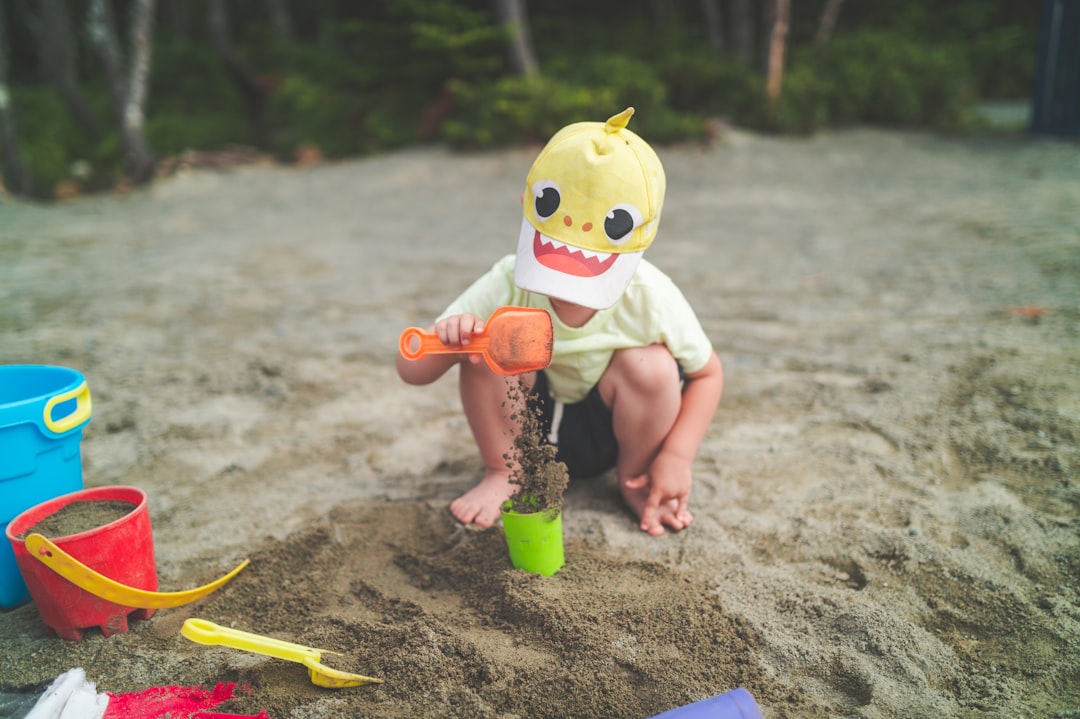
Have you ever wondered what makes your favorite beach toys so fun and durable? Whether it’s a colorful bucket, a sturdy shovel, or a floating ball, the materials used to make these toys play a big role in how they perform under the sun and sand.
Knowing what beach toys are made of can help you choose the safest and most long-lasting options for your family. Stick with me, and you’ll discover the surprising secrets behind these playful essentials that make your beach day even better.
Common Materials In Beach Toys
Beach toys come in many shapes and sizes, but their materials share some common traits. These materials need to be durable, safe, and easy to clean since they face sand, water, and sun. Understanding what these toys are made of can help you pick the best ones for your family and even spot safer or more eco-friendly options.
Plastic Varieties
Plastic is the most common material in beach toys. It’s lightweight, tough, and can be molded into many fun shapes and bright colors. Different types of plastic are used, such as:
- Polypropylene (PP):Known for its strength and resistance to water, making it ideal for buckets and shovels.
- Polyethylene (PE):Flexible and durable, often found in balls and floating toys.
- ABS (Acrylonitrile Butadiene Styrene):Hard and impact-resistant, used in more detailed toys like sand molds or vehicles.
Have you noticed how some plastic toys feel sturdier than others? That difference often comes down to the type of plastic used.
Rubber Components
Rubber is popular for parts of beach toys that need to be soft or flexible. It’s common in handles, grips, and inflatable toys. Natural rubber offers good elasticity, while synthetic rubber can resist saltwater better.
For example, many beach balls use rubber valves to hold air securely. If you’ve ever had a toy with a rubber handle that didn’t crack under the sun, that’s rubber’s durability in action. When choosing toys, look for rubber parts that feel smooth and sturdy to avoid quick wear and tear.
Foam Usage
Foam adds lightweight buoyancy and softness to beach toys. It’s often found in floating toys, kickboards, or soft balls. Common foam materials include EVA (ethylene-vinyl acetate) and polyethylene foam.
These foams resist water absorption and bounce back to shape quickly after being squished. Have you ever tossed a soft foam ball around on the beach? That springy feel comes from these special materials. Foam also makes toys safer by reducing hard impacts, especially for kids just learning to swim or play near water.
Eco-friendly Alternatives
Choosing eco-friendly beach toys means you help protect the oceans you love. These alternatives reduce waste and pollution while still offering fun and durability. Let’s look at some materials that make beach toys kinder to the environment.
Biodegradable Plastics
Biodegradable plastics break down naturally over time, unlike traditional plastics that linger for centuries. They often come from plant-based sources like corn or sugarcane, which means fewer fossil fuels are used. Imagine your beach bucket disappearing harmlessly after it’s lost — wouldn’t that ease your mind?
Keep in mind that these plastics need the right conditions, like heat and moisture, to degrade properly. So, tossing them into the ocean won’t solve the pollution problem immediately. Still, they’re a step forward if you want a less harmful option that feels familiar.
Natural Fibers
Natural fibers such as cotton, jute, or hemp are gaining popularity in beach toy production. They’re lightweight, durable, and completely biodegradable. Plus, toys made from natural fibers often have a soft texture that’s safe for children.
Have you noticed how these materials sometimes smell earthy and fresh? That’s a small reminder of their natural origin. Choosing natural fiber toys means you’re less likely to contribute to microplastic pollution, a hidden danger in many synthetic toys.
Recycled Materials
Recycled beach toys give new life to old plastics and other materials. Manufacturers melt down discarded items and reshape them into fun shapes like shovels and molds. This process uses less energy than creating new plastics from scratch.
When you pick toys made from recycled content, you support a circular economy. It’s a practical way to reduce waste and keep plastic out of landfills and oceans. Next time you buy, check if the toy label mentions recycled materials — your choice matters more than you think.
Durability And Safety Factors
Durability and safety are key when choosing beach toys, especially if you want them to last and keep your kids safe. Toys that fade, crack, or break quickly can spoil a fun day at the beach. Plus, materials that aren’t safe can cause allergic reactions or other health issues. Let’s look at the main factors that affect how tough and safe these toys really are.
Uv Resistance
Beach toys spend hours in direct sunlight, which can weaken materials over time. Toys made with UV-resistant plastics or coatings stand up better to sun exposure without cracking or fading. Have you ever noticed a toy turning brittle after just one summer? Choosing UV-resistant toys means they stay colorful and strong, so you don’t have to replace them every season.
Non-toxic Standards
Your child puts beach toys in their mouth more often than you might think. That’s why it’s crucial to pick toys made from non-toxic materials free of harmful chemicals like BPA, phthalates, and lead. Look for labels that mention safety certifications or compliance with international toy safety standards. This gives you peace of mind knowing your child plays safely without risk of chemical exposure.
Waterproof Qualities
Beach toys constantly get wet, so waterproof materials are a must. Plastics and rubber that don’t absorb water prevent mold and mildew buildup, keeping toys hygienic. When toys dry quickly, they last longer and stay cleaner. Have you ever found a beach bucket with a nasty smell after a day in the water? Waterproof materials help you avoid that unpleasant surprise.
Innovative Materials In Modern Toys
Modern beach toys are crafted using a variety of innovative materials that enhance durability, safety, and fun. These materials are chosen not just for their look or feel, but for how they improve your experience at the beach. You might be surprised at how technology and clever design come together in something as simple as a sandcastle mold or a floating toy.
Silicone Applications
Silicone is becoming a popular choice for beach toys because it’s flexible, non-toxic, and easy to clean. Unlike traditional plastic, silicone can bend without breaking, making toys safer for kids and less likely to get damaged in rough play. Have you ever struggled to get sand out of tiny crevices? Silicone toys are often designed to be non-stick, so sand slides right off.
Additionally, silicone can withstand high temperatures and harsh sunlight without degrading. This means your beach toys won’t warp or fade quickly, even after multiple sunny days. Imagine how much longer your favorite shovel or bucket could last with this material.
Smart Materials
Smart materials are those that respond to their environment, adding a new level of interaction to beach toys. Some toys now change color when wet or heat up in the sun, which can make playtime more engaging and educational. Have you noticed a toy that glows or shifts colors? That’s likely using smart materials.
These materials can also include UV-resistant coatings that protect toys from sun damage, extending their lifespan. They might even be designed to float automatically or adjust their shape, making them easier to find or use. Imagine never losing a toy in the waves because it changes color or floats back to you.
Lightweight Composites
Lightweight composite materials combine different elements like fiberglass or carbon fiber with plastics to create toys that are both strong and easy to carry. This matters when you’re juggling multiple beach items and kids’ gear. A toy that’s heavy can quickly turn a fun day into a tiring one.
These composites resist cracking and breaking better than standard plastics, so they hold up during rough play or accidental drops. Have you ever had a favorite beach toy snap after one use? Lightweight composites help prevent that disappointment. Plus, they often feel more comfortable to hold, encouraging longer play sessions without hand fatigue.
Environmental Impact Of Materials
Beach toys are usually made from plastic, which can harm oceans and wildlife when not recycled. Some toys use safer materials like wood or biodegradable plastics to reduce environmental damage. Choosing eco-friendly options helps protect beaches and marine life.
The environmental impact of materials used in beach toys is a growing concern for many eco-conscious beachgoers. As you enjoy a sunny day by the ocean, have you ever wondered what becomes of those colorful buckets and shovels after their last sandcastle? The materials used in these toys can have lasting effects on the environment, and understanding these impacts is crucial for making responsible choices.Pollution Concerns
Many beach toys are made from plastics, such as PVC, which can take hundreds of years to decompose. These plastics often end up in the ocean, contributing to marine pollution. You might see the remnants of once-loved toys washed up on the shore, posing a threat to marine life that can ingest or become entangled in them.Recycling Challenges
Recycling beach toys isn’t as straightforward as tossing them in the recycling bin. Different plastics require specific recycling processes, and not all facilities are equipped to handle them. Often, these toys end up in landfills because they are made of mixed materials that are difficult to separate and recycle efficiently.Sustainable Choices
Making sustainable choices can greatly reduce the environmental impact of beach toys. Consider opting for toys made from biodegradable materials like bamboo or recycled plastics. These alternatives not only reduce waste but also support a cleaner, healthier planet. Next time you purchase a beach toy, ask yourself: is there a more sustainable option available? Your choice can make a difference.Frequently Asked Questions
What Materials Are Commonly Used For Beach Toys?
Beach toys are mainly made from plastic, rubber, and silicone. These materials are durable, lightweight, and water-resistant. They ensure toys can withstand sand, saltwater, and sun exposure, making them safe and long-lasting for kids to play with at the beach.
Are Beach Toys Environmentally Friendly?
Most beach toys are made from non-biodegradable plastics, which are not eco-friendly. However, some brands now use recycled or biodegradable materials. Choosing these options helps reduce environmental impact and promotes sustainable play at the beach.
How Safe Are Plastic Beach Toys For Children?
Plastic beach toys are generally safe if made from non-toxic, BPA-free materials. Always check for safety certifications and avoid toys with small detachable parts to prevent choking hazards. Proper supervision ensures a fun and safe beach experience for kids.
Can Beach Toys Withstand Saltwater And Sun Exposure?
Yes, quality beach toys are designed to resist saltwater corrosion and sun damage. Materials like durable plastic and rubber prevent fading, cracking, or breaking. This ensures toys remain functional and safe for repeated beach use.
Conclusion
Beach toys are mostly made from plastic and other safe materials. These materials keep toys light, strong, and easy to clean. Some toys use rubber or foam to be soft and safe for kids. Knowing what beach toys are made of helps you pick the right ones.
Choose toys that last long and are safe to use. This way, beach play stays fun and worry-free for everyone.