


Have you ever wondered what makes your beach toys so perfect for endless hours of fun by the shore? Knowing what material beach toys are made of can help you pick the best ones for your family.
It affects how safe, durable, and eco-friendly they are. If you want to make smarter choices next time you shop for beach toys, keep reading—you’ll discover what goes into these colorful treasures and why it matters to you and your loved ones.
Common Materials Used
Beach toys come in a variety of materials, each offering different benefits for playtime by the shore. Understanding these materials can help you pick toys that last longer, feel good to touch, and are safe for your kids. Let’s break down the most common materials used in beach toys and what makes each one unique.
Plastic Varieties
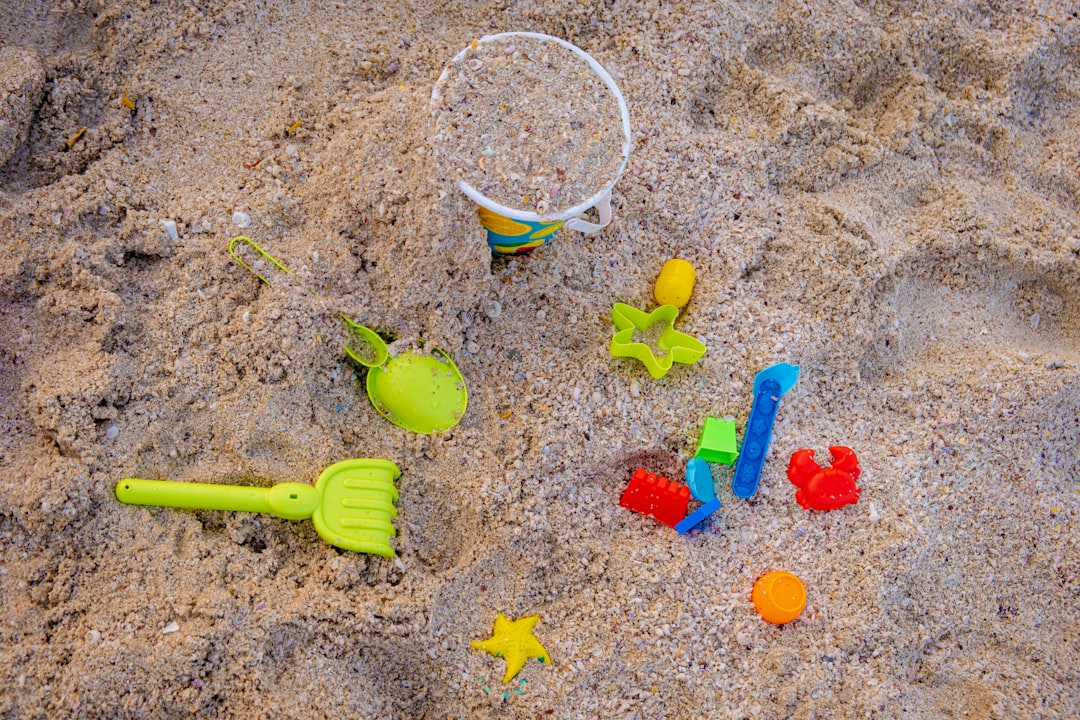
Plastic is the most common material for beach toys. It’s lightweight, durable, and easy to clean after a day in the sand and saltwater. You’ll find toys made from different types of plastic, including:
- Polypropylene (PP):Tough and resistant to cracking, great for shovels and buckets.
- Polyethylene (PE):Flexible and impact-resistant, often used for molds and sand sifters.
Have you noticed how some plastic toys stay bright and don’t get brittle after sun exposure? That’s often due to UV-resistant additives in the plastic.
Rubber Components
Rubber is popular for beach toys that need a bit of bounce or softness. It’s flexible and absorbs shocks, making it perfect for balls or toys designed for younger children. Natural rubber toys also tend to be eco-friendlier and safer if your child likes to chew on their toys.
When you pick a rubber toy, check if it’s labeled non-toxic and BPA-free to ensure safety. Have you ever felt how rubber toys are easier to grip, even with sandy or wet hands?
Silicone Elements
Silicone is rising in popularity for beach toys because of its softness and heat resistance. It’s also hypoallergenic, which is great if your child has sensitive skin. Silicone molds and cups don’t crack or warp in the sun, making them perfect for long beach days.
Plus, silicone toys are usually dishwasher safe, so cleaning up is hassle-free. Wouldn’t it be nice to have toys that stay clean and safe with minimal effort?
Wooden Toys
Wooden beach toys offer a classic, natural alternative to plastic. They are sturdy and biodegradable, which appeals to eco-conscious families. However, they need to be well-sealed to withstand moisture and prevent splintering.
If you enjoy toys that feel solid and warm in your hands, wooden toys might surprise you. Have you ever wondered if choosing wooden toys could reduce your plastic waste at the beach?
Safety Concerns With Materials
Safety is a key concern when choosing materials for beach toys. Parents want toys that are safe for children to use. Some materials may contain harmful substances or cause allergic reactions. Others might break easily, posing choking hazards. Environmental effects also matter since toys often end up in nature. Understanding these safety concerns helps pick better beach toys.
Toxic Chemicals In Plastics
Many beach toys are made from plastic. Some plastics contain harmful chemicals like BPA and phthalates. These chemicals can leak out and harm children. Toxic substances may affect growth and development. Look for toys labeled BPA-free or made from safe plastics. Avoid soft plastics that may contain more chemicals.
Allergenic Risks
Some beach toy materials can cause allergies. Latex and certain rubber types often trigger skin reactions. Children with sensitive skin may develop rashes or itching. Choosing toys made from hypoallergenic materials reduces risks. Always check for allergy warnings on packaging.
Durability And Breakage
Beach toys face rough use and sun exposure. Low-quality materials break easily into small pieces. Broken toys can cause cuts or choking. Durable plastics and thick rubber last longer and stay safe. Inspect toys regularly for cracks or sharp edges.
Environmental Impact
Plastic beach toys can harm the environment if lost or discarded. They may take hundreds of years to decompose. Some toys release microplastics into the sand and water. Opt for eco-friendly materials like wood or biodegradable plastics. Proper disposal and recycling help protect nature.
Non-toxic And Eco-friendly Options
Many beach toys use non-toxic, eco-friendly materials like natural rubber or recycled plastics. These choices keep children safe and help protect the environment. Such materials break down easily and reduce pollution at the beach.
When choosing beach toys for your little ones, considering non-toxic and eco-friendly options is crucial. These materials are not only safer for your children but also kinder to the planet. By opting for sustainable and non-toxic materials, you’re contributing to a healthier environment and ensuring your kids can play safely.Bpa-free Plastics
BPA-free plastics are a popular choice among parents who prioritize safety. These plastics are free from harmful chemicals often found in traditional plastics. Next time you’re shopping, look for labels indicating BPA-free to ensure you’re selecting the safest option for your family.Natural Rubber Toys
Natural rubber toys are another excellent alternative. They are soft, flexible, and completely safe for children. Plus, these toys are biodegradable, so they won’t linger in landfills for years.Biodegradable Materials
Biodegradable materials offer a guilt-free playtime experience. These materials break down naturally, reducing environmental impact. Imagine enjoying a day at the beach knowing the toys your children are playing with will return to the earth without leaving a trace.Sustainable Wood Choices
Wooden toys crafted from sustainable sources are timeless and durable. They provide a tactile experience that plastic can’t match. Check for certifications like FSC to ensure that the wood is responsibly sourced and contributes to forest preservation. Choosing the right materials for beach toys doesn’t have to be daunting. With a bit of awareness and some thoughtful choices, you can make a positive impact on your family’s health and the planet. How do you ensure your beach adventures are both fun and eco-friendly?Material Durability In Beach Conditions
Beach toys face tough conditions every day. They must stand up to water, sun, and sand. The materials used need to be strong and last long. Durability is key for toys to stay safe and fun. Understanding how materials react helps choose the best beach toys.
Resistance To Saltwater
Saltwater can damage many materials quickly. It causes metals to rust and some plastics to weaken. Beach toys often use special plastics that resist salt corrosion. These plastics do not absorb water or break down easily. This resistance keeps toys from cracking or losing color.
Uv Exposure Effects
The sun’s UV rays can fade colors and weaken plastics. Toys left in the sun for hours lose strength and become brittle. Manufacturers add UV stabilizers to plastic to reduce damage. These additives help toys keep their shape and bright colors longer. UV resistance makes toys safer and more enjoyable.
Wear And Tear From Sand
Sand is rough and can cause scratches or wear on toys. It can get inside moving parts and cause jams. Durable materials have smooth surfaces to reduce sand damage. Some toys use thicker plastic or rubber to resist scratches. This wear resistance keeps toys working well after many beach trips.
Choosing Safe Beach Toys For Kids
Choosing safe beach toys for your kids means more than picking bright colors and fun shapes. The materials used in these toys affect your child’s health and the environment. Understanding what materials are safe helps you make smarter choices that protect your little ones while they play.
Age-appropriate Materials
Different ages need different materials to ensure safety. For toddlers, soft, BPA-free plastics or silicone are ideal because they are less likely to cause injury. Older kids can handle sturdier materials like hard plastics, but watch out for sharp edges or small detachable parts that could become choking hazards.
Think about your child’s habits too. If your kid tends to put toys in their mouth, avoid materials that could leach harmful chemicals. Have you noticed how some toys feel rough or brittle? That’s a sign to choose something gentler and more durable.
Certifications To Look For
Certifications give you peace of mind about the safety of beach toys. Look for labels like ASTM, CE, or CPSIA, which indicate the toy has passed strict safety tests. These marks show the toy is free from toxic chemicals and meets quality standards.
Keep an eye out for warnings on the packaging about age limits and material contents. If a toy doesn’t have any certification or safety information, ask yourself if it’s worth the risk. Would you let your child play with it unsupervised?
Maintenance And Cleaning Tips
Safe toys are only safe if they are clean and well-maintained. Rinse toys with fresh water after beach trips to remove salt, sand, and bacteria. Use mild soap and a soft brush for tougher dirt but avoid harsh chemicals that can degrade plastic.
Regularly inspect toys for cracks or damage where germs can hide or pieces can break off. If a toy shows signs of wear, it’s better to replace it than risk injury. How often do you check your child’s toys for safety? Making it a habit keeps playtime safe and fun.
Frequently Asked Questions
What Materials Are Commonly Used For Beach Toys?
Beach toys are usually made from plastic, rubber, or silicone. These materials are lightweight, durable, and safe for children. They resist water and sand damage, making them ideal for beach play. Non-toxic plastics are preferred to ensure safety and environmental friendliness.
Are Beach Toys Made Of Eco-friendly Materials?
Some beach toys are made from eco-friendly materials like biodegradable plastics or recycled rubber. These options reduce environmental impact and are safer for marine life. However, many traditional beach toys still use conventional plastics, so checking product labels is important for eco-conscious buyers.
Why Is Plastic The Preferred Material For Beach Toys?
Plastic is preferred for beach toys because it is lightweight, inexpensive, and durable. It resists water and sand, making it ideal for beach environments. Plastic also allows for colorful, fun designs that appeal to children. Its versatility makes it the most common material used.
Can Rubber Beach Toys Withstand Rough Beach Play?
Yes, rubber beach toys are flexible and durable, ideal for rough play. Rubber absorbs impacts well and does not easily crack or break. It is also safe for children as it’s soft and non-toxic. This makes rubber a popular choice for beach toy manufacturing.
Conclusion
Beach toys usually use plastic, rubber, or foam. These materials are light and safe for kids. They handle water and sun well. Some toys use eco-friendly materials too. Choosing the right material helps toys last longer. It also keeps playtime fun and safe.
Now you know what makes beach toys good. Next time you buy, check the material first. This helps you pick the best toy for the beach. Enjoy your time with durable and safe toys!