
You might be wondering, “When can my baby start playing with toys?” It’s an exciting question because toys do more than entertain—they help your little one grow and learn. But knowing the right time to introduce toys can make all the difference in your baby’s development.
You’ll discover exactly when your baby is ready to play, which toys are best for each stage, and how to make playtime both fun and safe. Keep reading to unlock the secrets that will help your baby thrive every step of the way.
Credit: www.thebump.com
Choosing Age-appropriate Toys
Babies explore the world through play. Picking the right toys helps their growth and safety.
Age-appropriate toys support skills like seeing, touching, and moving. They keep babies interested and safe.
Newborns And Sensory Play
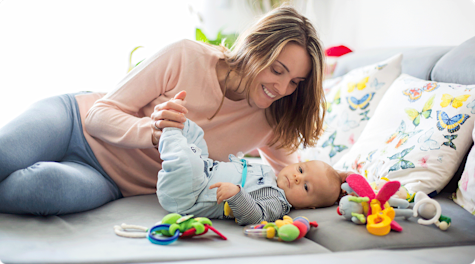
Newborns mostly use their senses to learn. Toys that focus on sight, sound, and touch work best for them.
Soft, high-contrast toys help babies notice shapes and colors. Gentle rattles or soft music also catch their attention.
- Black and white or bold patterns
- Soft fabric toys
- Simple rattles and soft sounds
- Objects safe to touch and mouth
Toys For 3 To 6 Months
At this age, babies begin to reach and grasp. Toys that encourage these actions help hand-eye coordination.
Toys that make noise or have different textures keep babies curious and engaged during playtime.
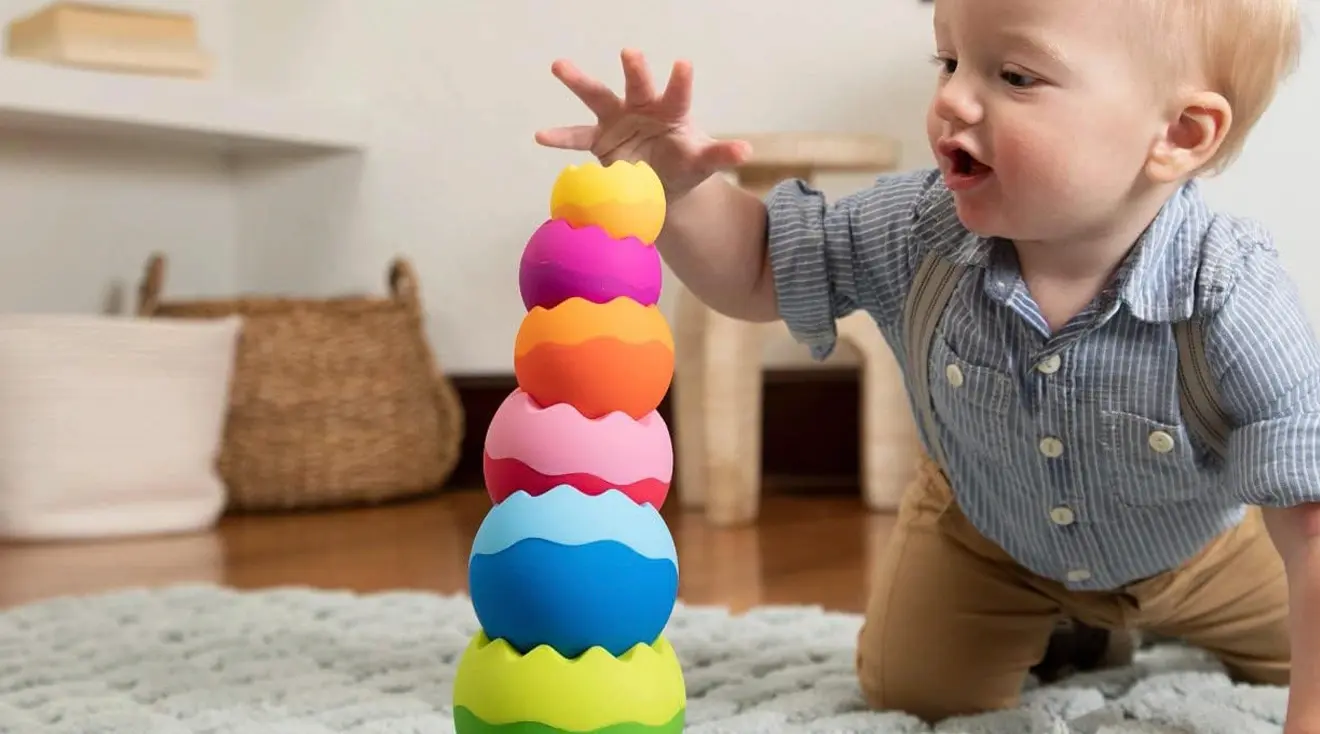
- Soft blocks or stacking cups
- Textured balls and rings
- Rattles that are easy to hold
- Toys with bright colors and sounds
Play Options For 6 To 12 Months
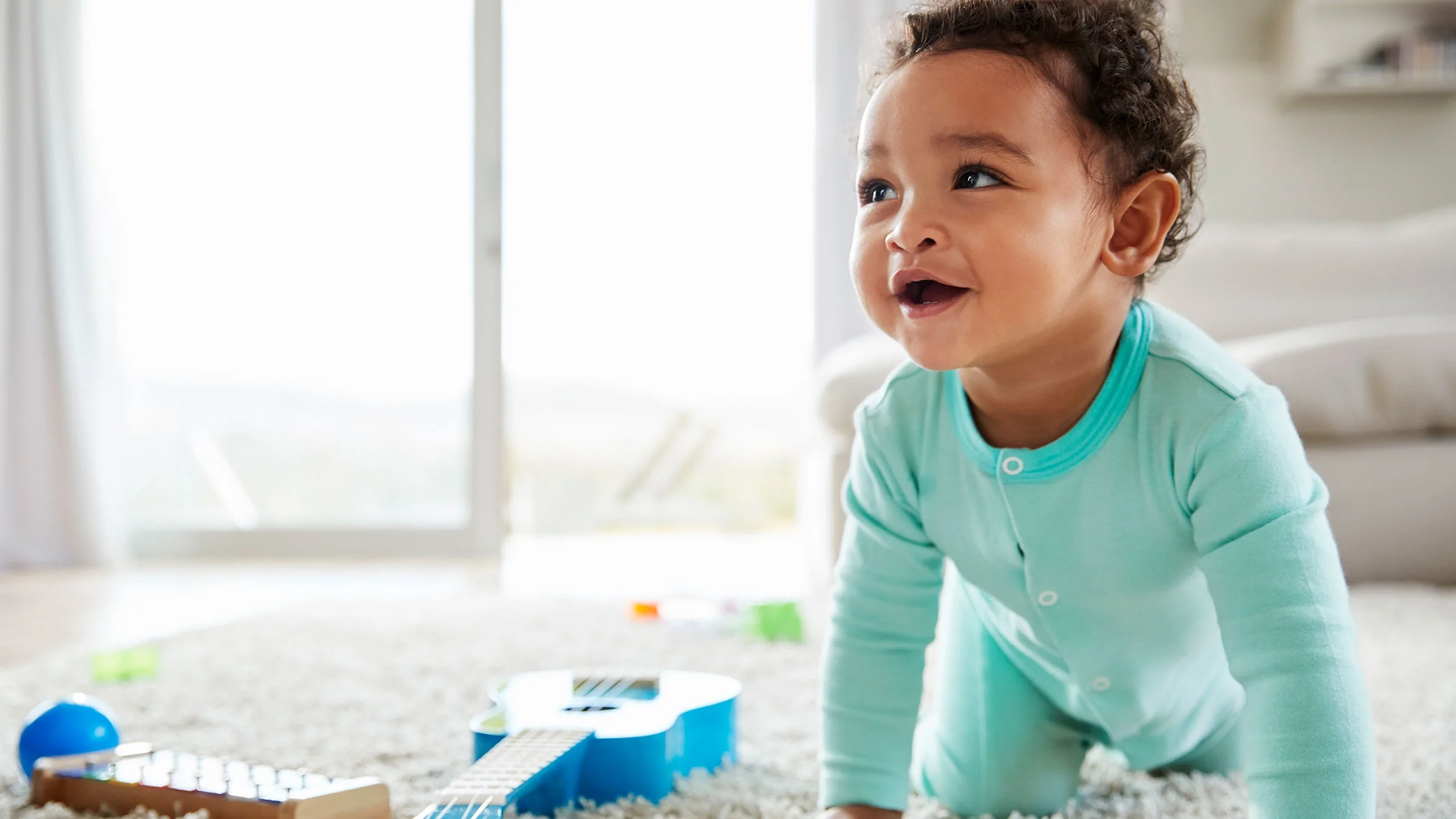
Babies start to sit, crawl, and explore more. Toys that encourage movement and problem-solving are good choices.
Simple puzzles, push toys, and stacking sets help develop thinking and motor skills.
- Stacking rings and blocks
- Push and pull toys
- Soft books with textures
- Simple shape sorters
Signs Your Baby Is Ready To Play
Babies begin to show interest in toys as they grow and develop. Watching for certain signs helps parents know when playtime can start.
Playing with toys supports babies’ growth and learning. It is important to choose the right time based on their readiness.
Physical Milestones
Babies reach physical milestones that indicate they can handle toys safely. These skills make play more enjoyable and less frustrating.
- Grasping objects with their hands
- Holding their head up steadily
- Sitting with or without support
- Reaching out and touching things
- Bringing toys to their mouth
Cognitive And Emotional Cues
Babies also show cognitive and emotional signs when they are ready to play. These signs reflect their growing awareness and curiosity.
| Sign | What It Means |
|---|---|
| Focuses on objects | Can pay attention to toys for short times |
| Smiles and laughs | Enjoys interaction and play |
| Explores by touching and mouthing | Learning about the world |
| Responds to sounds and voices | Shows interest in toys that make noise |
Safe Toy Materials And Features
Choosing safe toys is important for babies. Toys must be made from safe materials. They should protect babies from harm.
Parents should check toys for safe features. These features help keep babies healthy and happy while playing.
Non-toxic And Bpa-free Options
Toys should not have harmful chemicals. Non-toxic materials are safe for babies to touch and put in their mouths.
BPA-free toys avoid chemicals that can affect health. Look for labels that say “BPA-free” or “non-toxic.”
- Use natural wood or silicone toys
- Avoid toys with lead paint or toxic dyes
- Choose soft plastics without harmful chemicals
Avoiding Choking Hazards
Babies put small things in their mouths. Toys must not have small parts that can break off or fit in a baby’s mouth.
Check toy size and parts carefully. Avoid toys with sharp edges or loose pieces that can cause choking.
- Choose toys larger than a baby’s mouth
- Stay away from small buttons or beads
- Inspect toys regularly for damage
Easy-to-clean Toys
Babies often put toys in their mouths. Toys should be easy to clean to stop germs from spreading.
Look for toys that you can wash with soap and water. Some toys can be cleaned in the dishwasher or washing machine.
- Choose smooth surfaces without cracks
- Avoid toys with fabric that trap dirt
- Pick waterproof or water-resistant toys
Credit: toyadvisorpro.com
Encouraging Development Through Play
Babies learn a lot by playing with toys. Play helps them grow skills step by step.
Choosing the right toys at the right time helps babies explore and understand the world.
Boosting Motor Skills
Playing with toys helps babies use their hands and legs. This builds their motor skills.
Toys like soft balls or blocks encourage babies to reach, grab, and move.
- Grabbing toys helps hand-eye coordination
- Rolling balls encourage crawling and movement
- Stacking blocks improves finger strength
Stimulating Senses
Babies learn through their senses. Toys with different textures, sounds, and colors help.
Bright colors catch their eyes. Soft or rough surfaces teach touch. Gentle sounds keep their attention.
- Colorful toys develop sight
- Textured toys develop touch
- Rattles or music toys develop hearing
Promoting Social Interaction
Toys also help babies learn to play with others. This builds social skills early on.
Playing with parents or other children teaches sharing and communication.
- Soft dolls encourage nurturing behavior
- Simple puzzles promote cooperation
- Interactive toys invite turn-taking
Setting Up A Play Area
Creating a safe and fun play area helps babies enjoy their toys. It also supports their growth and learning.
Parents should prepare a space that is secure and easy to keep tidy. This makes playtime more pleasant for everyone.
Safe And Comfortable Space
Choose a spot that is free from sharp edges and small objects. Soft mats or carpets can protect babies when they crawl or fall.
Good lighting and proper ventilation help keep the area cozy and bright. Keep the space clean and check for any hazards often.
Organizing Toys For Access
Sort toys by size and type to make them easy to find. Use low shelves or bins that babies can reach safely.
- Place frequently used toys within arm’s reach
- Keep small toys out of reach to prevent choking
- Rotate toys to keep the baby interested
- Label bins with pictures or words for easy identification
| Toy Type | Storage Method |
| Soft toys | Open baskets |
| Building blocks | Stackable bins |
| Books | Low shelves |
| Rattles and teethers | Small containers |

Credit: www.thebump.com
When To Rotate Or Replace Toys
Babies learn and grow through play. Toys help them explore new skills and ideas.
Rotating and replacing toys keeps playtime fresh and safe. It helps babies stay interested.
Keeping Interest Alive
Babies can get bored with the same toys. Changing toys often keeps their minds active.
Rotating toys every few weeks gives babies new challenges. It also helps them learn different skills.
- Swap toys to offer new textures and sounds
- Introduce age-appropriate toys as babies grow
- Use rotation to match babies’ changing interests
Checking For Wear And Safety
Toys can break or become unsafe over time. Check them regularly for damage or loose parts.
Replace toys that have cracks, sharp edges, or missing pieces. Safety is the top priority.
- Look for cracks and broken parts
- Remove toys with small pieces that can fall off
- Clean toys often to keep them germ-free
Frequently Asked Questions
When Can Babies Start Playing With Toys Safely?
Babies can start playing with soft, age-appropriate toys around 3 months. At this stage, they begin grasping and exploring objects. Always choose safe, non-toxic toys without small parts to prevent choking risks.
What Types Of Toys Are Suitable For Newborns?
Newborns benefit from soft, textured toys and rattles. These stimulate their senses and encourage motor skills. Avoid hard or small toys until they develop better control of their hands and mouth.
How Do Toys Help Babies’ Development?
Toys support sensory, motor, and cognitive development. They encourage hand-eye coordination, problem-solving, and curiosity. Playing with toys also promotes bonding and emotional growth between babies and caregivers.
When Should Parents Introduce More Complex Toys?
Complex toys are ideal around 6 to 9 months when babies can sit and manipulate objects. These toys challenge their fine motor skills and cognitive abilities, supporting advanced learning stages.
Conclusion
Babies playing with toys is a joyful milestone. Toys aid in their learning and growth. Start with simple, safe toys. Observe your baby’s interest and engagement. As they grow, introduce varied toys. Watch their skills develop. Every child is unique.
Adjust toys to match their pace. Play is essential for bonding. Enjoy these precious moments. Always ensure toys are safe and age-appropriate. Safety first, always. Embrace this playful journey with your little one. Encourage exploration and creativity. Celebrate each new discovery.
Remember, play is a fundamental part of childhood. Cherish every playful moment with your baby.