






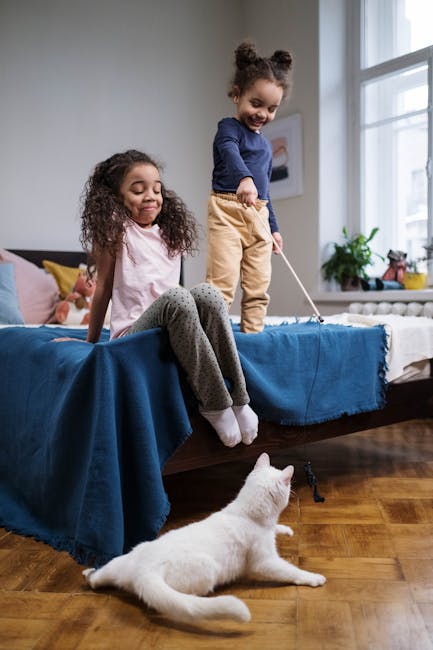
Are you watching your new kitten explore the world and wondering when they’ll start to play with toys? It’s an exciting moment that shows your little furry friend is growing and developing new skills.
Knowing exactly when kittens begin to play can help you choose the right toys at the right time, keeping your kitten happy and healthy. Keep reading to discover the perfect time to introduce toys and how playtime benefits your kitten’s growth and happiness.
Kitten Play Milestones
Kittens start playing with toys as they grow and explore their world. Play helps kittens learn skills and build their muscles.
Watching kitten play milestones shows how their movements and reactions change. These stages mark important growth steps.
Early Reflexive Movements
In the first two weeks, kittens show reflexive movements. These are automatic actions like twitching or paw stretching.
At this stage, kittens do not play with toys yet. Their movements help develop muscles and senses.
First Interactive Play
By three to four weeks, kittens begin to interact with their environment. They start to paw at objects and explore.
Kittens use toys like small balls or soft objects to practice their hunting skills. This play is important for social learning.
Developing Coordination
Between five and eight weeks, kittens improve their coordination. They chase, pounce, and bat toys with more control.
This stage helps kittens learn balance and timing. Playing with toys also strengthens their muscles and sharpens senses.
- Pawing at moving toys
- Chasing after small objects
- Jumping and pouncing skills
- Using claws gently during play

Credit: oxfordcatclinic.co.uk
Types Of Toys For Kittens
Kittens start to play with toys when they are about three to four weeks old. Playtime helps them grow strong and learn new skills. Choosing the right toys can keep kittens happy and healthy.
Different toys serve different purposes. Some toys help kittens practice hunting skills, while others keep them active or curious. Here are some popular types of toys for kittens.
Soft Plush Toys
Soft plush toys are great for kittens to cuddle and carry around. These toys feel gentle on their small paws and teeth. Kittens often like to snuggle with them or use them for gentle play.
Plush toys sometimes have catnip inside to attract kittens. Always pick toys that are safe and free from small parts that could be swallowed.
Interactive Wand Toys
Wand toys have a stick with feathers or strings at the end. You can move the wand to mimic prey. This makes kittens jump, chase, and pounce, which helps their hunting skills.
These toys are great for bonding with your kitten. They also keep your kitten active and mentally sharp.
Balls And Rolling Toys
Balls and rolling toys encourage kittens to chase and bat. These toys often roll unpredictably, which excites kittens to keep playing. They help kittens develop coordination and strength.
Some balls have bells inside for extra fun sounds. Choose balls that are light and the right size for your kitten’s mouth.
Puzzle And Treat Toys
Puzzle toys challenge kittens to find hidden treats or solve simple problems. These toys keep kittens busy and use their brain power. They can reduce boredom and stop bad habits.
Many puzzle toys let you adjust the difficulty. This keeps playtime interesting as your kitten grows and learns.
Benefits Of Play For Kittens
Play is an important part of a kitten’s growth. It helps them learn about their world. Toys can keep kittens active and happy.
Playing with toys is not just fun. It also supports their body and mind as they grow up strong and smart.
Physical Exercise
Toys encourage kittens to run, jump, and pounce. This activity builds their muscles and improves their coordination. Play helps kittens stay healthy and fit.
Mental Stimulation
Playing with toys challenges a kitten’s mind. It helps them solve problems and stay alert. Toys with moving parts or hidden treats are great for this.
- Encourages curiosity
- Improves focus
- Teaches cause and effect
- Prevents boredom
Social Skills Development
Playtime often involves other kittens or people. This helps kittens learn to share and take turns. They also practice gentle biting and pawing during play.
Reducing Behavioral Issues
Kittens that play regularly tend to have fewer behavior problems. Play helps them release energy in a safe way. This can reduce scratching or biting of furniture.
| Behavior Problem | How Play Helps |
| Scratching furniture | Redirects energy to toys |
| Biting hands | Teaches gentle play |
| Excessive meowing | Provides mental focus |
| Destructive chewing | Keeps them busy and calm |

Credit: www.lordsandlabradors.co.uk
Encouraging Playtime
Kittens start playing with toys as they grow and learn about their world. Playtime helps them develop skills and stay active. Encouraging this behavior is important for their health and happiness.
Providing the right environment and toys makes playtime safe and fun. You can also join your kitten to build trust and enjoy their energy.
Creating A Safe Environment
Make sure the play area is free from hazards. Remove small objects that kittens might swallow. Use soft mats or rugs to protect them during active play.
Keep electrical cords and sharp items out of reach. A safe space helps kittens explore and play without danger.
Choosing Age-appropriate Toys
Use toys that suit your kitten’s age and size. Toys that are too big or heavy can be hard for young kittens. Small, lightweight toys encourage chasing and batting.
- Soft balls and plush mice
- Interactive feather wands
- Small tunnels or hideouts
- Safe chew toys designed for kittens
Setting Play Schedules
Regular playtimes help kittens expect fun moments each day. Keep sessions short but frequent to match their energy levels. Play before meals to stimulate their appetite.
- Plan two to three short play sessions daily
- Observe when your kitten is most active
- Adjust times to fit your kitten’s mood
- End play before your kitten gets tired
Joining In Play Sessions
Playing with your kitten builds a strong bond. Use toys that let you interact safely. Avoid using your hands as toys to prevent scratches.
| Tips for Joining Play | Why It Helps |
|---|---|
| Use wand toys or strings | Keeps distance safe and fun |
| Follow your kitten’s lead | Respects their mood and energy |
| Give praise and gentle petting | Builds trust and comfort |
| Stop play if your kitten seems stressed | Prevents negative feelings |
Signs Of Healthy Play Behavior
Kittens start to play with toys as they grow and develop. Play helps them learn skills and stay active. Watching their play can tell you if they are healthy and happy.
Healthy play includes being curious, moving around, and taking breaks. These signs show your kitten is developing well and enjoys exploring their world.
Active Engagement
A healthy kitten shows active engagement by chasing, pouncing, and batting toys. This play improves their coordination and strength. They often show excitement with quick movements and alert eyes.
- Chasing moving toys
- Pouncing on objects
- Batting with paws
- Quick, alert movements
Exploratory Actions
Kittens explore new toys by sniffing, biting, and pawing. This shows they are curious and learning about their surroundings. Exploring helps build their confidence and mental skills.
| Exploratory Behavior | What It Shows |
| Sniffing toys | Interest and curiosity |
| Biting gently | Testing texture and safety |
| Pawing and tapping | Learning cause and effect |
| Carrying toys | Building confidence |
Balanced Rest Periods
Healthy kittens rest after play. They sleep to recover energy and grow. Balanced rest means they do not play non-stop or seem tired all the time.
Signs of good rest include:
- Sleeping in quiet spots
- Calm breathing during sleep
- Waking up alert and ready to play
- Taking short naps between play sessions

Credit: www.petscare.com
When To Consult A Vet
Kittens usually start playing with toys at a young age. Play helps them grow strong and healthy. Sometimes, a kitten may not show interest in toys.
If you notice unusual behavior, it might be time to see a vet. A vet can check for any health or behavioral problems.
Lack Of Interest In Toys
Some kittens may ignore toys for many reasons. If your kitten is not playing, watch for signs of illness or sadness.
- Check if the kitten seems tired or weak.
- Notice if the kitten avoids moving or playing.
- See if the kitten eats and drinks normally.
- Look for signs of pain or discomfort.
Physical Limitations
Physical problems may stop a kitten from playing. These can include injuries or birth defects.
| Condition | Signs | When to Visit Vet |
| Injury | Limps, swelling, pain | Right away |
| Vision or Hearing Issues | Unresponsive to sounds or movements | Early checkup |
| Weakness | Difficulty walking or jumping | As soon as noticed |
Behavioral Concerns
Sometimes kittens have behavior problems that stop them from playing. Stress or fear can make a kitten shy or scared.
If your kitten shows these behaviors, consult a vet:
- Hiding all the time
- Growling or hissing often
- Not responding to gentle touch
- Sudden changes in mood or activity
Frequently Asked Questions
When Do Kittens Start Playing With Toys?
Kittens usually begin playing with toys around 3 to 4 weeks old. This stage marks their growing curiosity and motor skills development. Play helps kittens learn hunting skills and social interaction.
What Types Of Toys Do Kittens Prefer First?
Kittens prefer soft, small, and lightweight toys initially. Toys that mimic prey, like small balls or feather wands, attract their attention. Interactive toys encourage exercise and mental stimulation.
How Does Play Benefit A Kitten’s Growth?
Play improves a kitten’s coordination, strength, and social skills. It reduces stress and prevents behavioral problems. Regular playtime helps kittens develop confidence and bonds with their owners.
When Should I Introduce New Toys To My Kitten?
Introduce new toys gradually, starting at 4 to 5 weeks old. Rotate toys weekly to keep your kitten interested. This variety prevents boredom and promotes active play.
Conclusion
Kittens start playing with toys at around three weeks old. This playful stage is vital for their growth. Toys help them develop coordination and social skills. They chase, pounce, and learn about their environment. It’s pure joy watching them explore with curiosity.
Providing safe and varied toys is essential. Choose toys that are safe and suitable for their age. Supervise their playtime to prevent accidents. Enjoy these playful moments with your furry friend. It strengthens your bond and brings happiness. Observing kittens at play is truly a delightful experience.
Cherish these moments as they grow and learn.