
Have you ever wondered when it’s time to stop playing with toys? Maybe you feel a little unsure if you’ve outgrown them, or if it’s okay to still enjoy them as an adult.
Toys aren’t just for kids—they can bring comfort, spark creativity, and even reduce stress. But knowing when to let go can be tricky. You’ll discover clear signs that it’s time to move on, and why holding on too long might be holding you back.
Keep reading, because understanding this can change how you see play and growth in your life.
Benefits Of Playing With Toys
Playing with toys is important for people of all ages. It helps develop many skills and keeps the mind active.
Understanding the benefits of play can help decide when to stop or continue playing with toys.
Cognitive Development
Toys help improve thinking and problem-solving skills. They make the brain work and learn new things.
Playing with puzzles, blocks, or building sets teaches cause and effect, shapes, and numbers.
- Boosts memory and attention
- Encourages creativity and imagination
- Teaches planning and decision-making
Emotional Growth
Toys help express feelings and understand emotions. They offer a safe way to explore different feelings.
Playing with dolls or action figures can help children practice empathy and care for others.
- Reduces stress and anxiety
- Builds confidence through achievement
- Teaches patience and self-control
Social Skills
Toys encourage sharing, teamwork, and communication. Playing with others helps build friendships.
Group play with toys teaches how to follow rules and take turns in a fun way.
- Improves speaking and listening
- Teaches cooperation and negotiation
- Helps understand social roles and norms

Credit: parade.com
Age And Toy Play
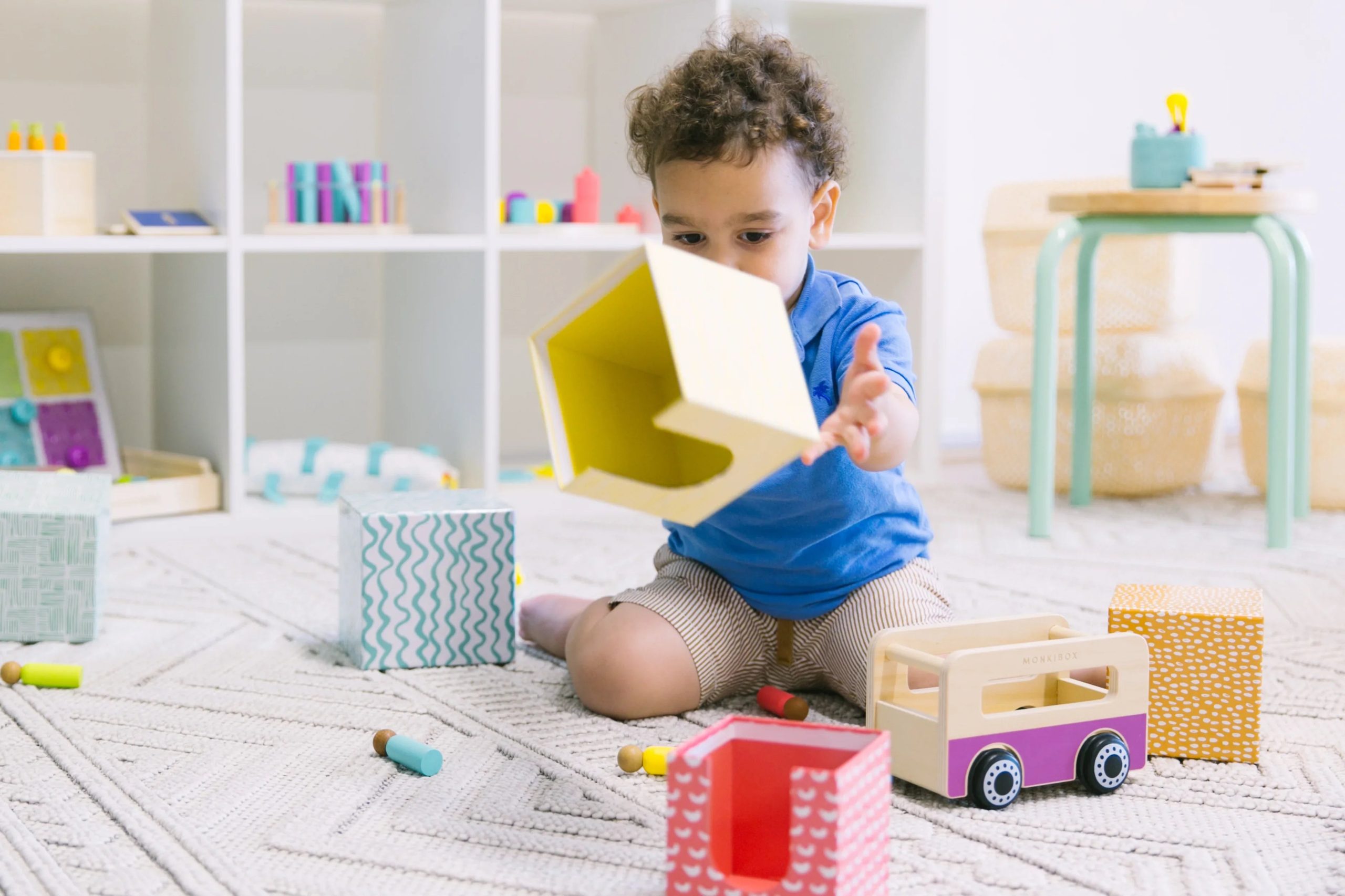
Playing with toys is a big part of growing up. Kids use toys to learn and have fun.
But at some point, many wonder when to stop playing with toys. Age plays a key role in this.
Typical Play Patterns By Age
Toys suit different ages because children grow and change. Younger kids play with simple toys.
Older children choose toys that match their skills and interests better.
- Infants use toys to explore shapes and sounds
- Toddlers play with blocks and simple puzzles
- Preschoolers enjoy pretend play and building sets
- School-age kids like more complex games and sports equipment
- Teens often prefer gadgets or creative hobbies
Changing Interests Over Time
As children grow, their interests change. Toys that were fun once may seem boring later.
Many teens stop playing with toys and focus on new hobbies or social activities.
- Young children enjoy hands-on and sensory toys
- Older kids prefer toys that challenge their thinking
- Teens often move to technology or creative arts
- Adults may collect toys as hobbies, not for play
Signs It’s Time To Stop
Playing with toys is fun for many people at different ages. But there are moments when it is time to stop.
Knowing the signs helps you decide when to move on from playing with toys.
Loss Of Interest
You may stop enjoying your toys like before. They no longer bring excitement or fun.
When you feel bored or ignore your toys for a long time, it is a clear sign to stop.
Preference For Other Activities
You might find new hobbies or activities more exciting than playing with toys.
Spending time on sports, reading, or art shows your interests have changed.
- Choosing to hang out with friends instead of playing
- Spending free time learning new skills
- Enjoying outdoor activities more
Social Expectations
Sometimes, people around you expect you to act more mature. This can affect your playtime.
Stopping playing with toys may help you fit in better with peers or meet family rules.
- Friends may prefer different activities
- Family may encourage new responsibilities
- School or work demands more attention

Credit: parade.com
Impact Of Continuing To Play
Playing with toys is not just for kids. Many adults enjoy it too. Playing can affect your mind and body in different ways.
It is important to know when to stop playing and what happens if you keep going. Let’s look at the good and bad effects.
Positive Effects
Playing with toys can help keep your brain active and reduce stress. It can also improve creativity and problem-solving skills.
- Boosts memory and concentration
- Improves hand-eye coordination
- Encourages social interaction and teamwork
- Provides a fun way to relax and unwind
Potential Downsides
Playing too much can cause problems. It may lead to less time for work or other important tasks.
| Issue | Possible Effect |
| Excessive play | Neglect of responsibilities |
| Physical inactivity | Health problems like weight gain |
| Social isolation | Feeling lonely or disconnected |
| Overstimulation | Difficulty focusing on tasks |
How To Transition Away From Toys
Moving away from playing with toys can be a natural part of growing up. It helps children explore new interests and develop different skills.
This guide shares simple ways to make the change smooth and positive for your child.
Introducing New Hobbies
Finding new hobbies is key to shifting attention from toys. Activities like drawing, reading, or sports offer fresh fun and learning.
- Try art projects such as painting or crafting.
- Encourage reading books that match their interests.
- Invite them to join a local sports team or dance class.
- Explore musical instruments or simple cooking tasks.
Gradual Reduction Techniques
Cutting back on toy time slowly helps children adjust without feeling upset. Set clear limits and stick to them gently.
- Limit toy play to certain times of the day.
- Reduce the number of toys available at once.
- Offer praise when they choose other activities.
- Replace toy time with new hobbies step by step.
Involving Peers And Family
Friends and family can support the transition by sharing activities and encouraging new interests together.
| Role | How They Help |
| Parents | Set limits and suggest new hobbies. |
| Siblings | Play new games and share interests. |
| Friends | Invite to group activities and clubs. |
Cultural And Personal Perspectives
Playing with toys is common for children but also enjoyed by many adults. Views on when to stop playing with toys vary widely across cultures and individuals. Understanding these views helps us see why toy use is different for everyone.
Some people see toys as tools for learning and creativity. Others may think toys are only for kids. These ideas affect when and if people stop playing with toys.
Varied Norms Around Toy Use
Different cultures have different rules about toy use. Some encourage adults to use toys for fun and stress relief. Other cultures expect adults to leave toys behind and focus on serious tasks.
- In some cultures, toy use is seen as a lifelong activity.
- Other cultures link toys only to childhood and early learning.
- Religious or social beliefs may limit or support toy use for adults.
- Community values shape how and when people stop playing with toys.
Individual Preferences
Personal choice plays a big role in stopping toy use. Some people keep toys as hobbies or collections. Others stop playing with toys when they feel too old or busy. Here is a simple table showing reasons people stop or continue playing with toys.
| Reason to Stop Playing | Reason to Keep Playing |
| Feeling too old | Enjoying relaxation |
| Social pressure | Using toys for creativity |
| Lack of time | Collecting as a hobby |
| Changing interests | Bonding with family |

Credit: www.workspaceforchildren.com
Frequently Asked Questions
What Age Is Too Old For Toys?
There is no specific age to stop playing with toys. It depends on personal preferences and interests. Many adults collect or play with toys for nostalgia or stress relief. It’s important to find what makes you happy and comfortable, regardless of age.
Can Playing With Toys Be Harmful?
Playing with toys is generally beneficial for all ages, promoting creativity and relaxation. However, excessive play can lead to neglecting responsibilities or social interactions. It’s important to balance playtime with other activities to maintain a healthy lifestyle.
Why Do Adults Play With Toys?
Adults play with toys for various reasons, including stress relief, nostalgia, or collecting. Toys can spark creativity and provide a sense of comfort. Engaging with toys can also be a social activity, helping adults connect with like-minded individuals.
Are There Benefits To Playing With Toys?
Yes, playing with toys offers numerous benefits, such as enhancing creativity, reducing stress, and improving problem-solving skills. Toys can also promote social connections and bring joy. They provide a healthy escape from daily pressures and foster a sense of playfulness.
Conclusion
Toys bring joy at any age. Playing helps your mind and heart grow. Stop playing only when it no longer feels fun. Remember, toys can teach and comfort, even for adults. Keep what makes you happy and let go of what does not.
Life is about balance—work, rest, and play. Enjoy your toys as long as they bring you peace. There is no fixed time to stop playing. Just follow your own feelings and needs.