





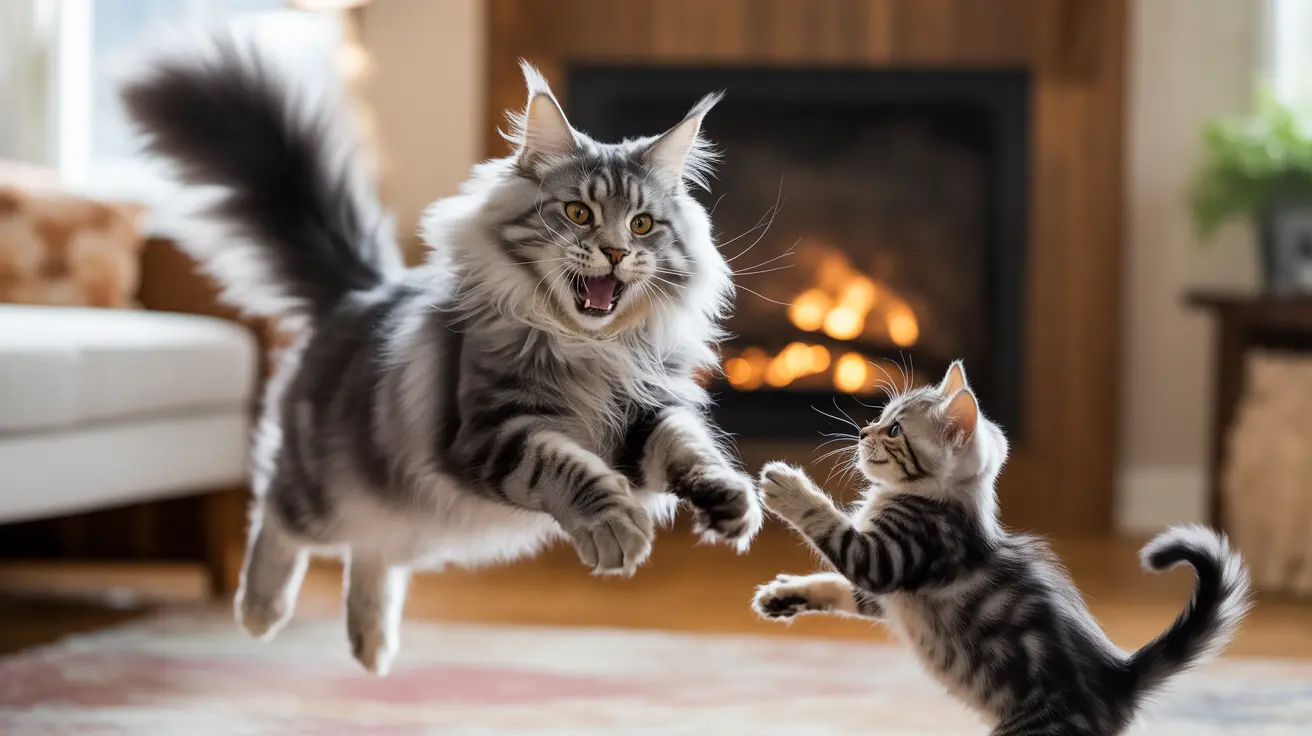
Have you ever found yourself puzzled by your cat’s sudden hissing while they’re happily playing with their toys? You’re not alone.
Many cat owners experience this surprising behavior and wonder what it means. It’s easy to assume that hissing is a sign of aggression or fear, but when it happens during playtime, it can be confusing. Understanding why your cat hisses in these moments can strengthen your bond and ensure your furry friend feels safe and happy.
We’ll delve into the reasons behind this behavior, helping you decode your cat’s signals and enhance your play sessions together. So, why does your cat hiss when playing with toys? Let’s uncover the mystery.
Cat Hissing Basics
Cats hiss to show how they feel. It is a loud sound that means something is wrong.
Sometimes cats hiss while playing with toys. This can confuse many cat owners.
What Hissing Means
Hissing is a cat’s way to warn others. It means the cat feels scared or upset.
- Fear: The cat feels threatened by something.
- Discomfort: The cat is not happy with the toy or play style.
- Warning: The cat wants others to stop or stay away.
- Stress: Loud noises or fast movements can cause hissing.
When Cats Usually Hiss
Cats hiss in many situations, not only during play. Knowing these helps you understand your cat better.
| Situation | Reason for Hissing |
| Playing with new toys | Feeling unsure or scared |
| Meeting new people | Fear of strangers |
| Seeing other animals | Protecting territory |
| When in pain | Warning to stay away |
| Being touched unexpectedly | Startled or uncomfortable |

Credit: www.catit.com
Hissing During Play
Some cats hiss while playing with their toys. This can surprise cat owners. Hissing is a natural sound cats use to show feelings.
Understanding why your cat hisses during play helps you know your pet better. It may not mean anger or fear always.
Play Vs. Aggression Signals
Hissing can mean different things based on the situation. During play, cats use hissing to express excitement or caution.
Aggressive hissing usually comes with stiff body posture and growling. Playful hissing often has relaxed movements and fast pawing.
- Play hissing: quick, short, with active play behavior
- Aggressive hissing: loud, long, with tense body
- Watch your cat’s body language for clues
Types Of Toys That Trigger Hissing
Certain toys can cause cats to hiss more often. These toys may seem scary or overstimulating to some cats.
Toys that move fast or make loud noises often trigger hissing. Also, toys that look like prey can cause a strong reaction.
- Laser pointers that move quickly
- Noisy toys that squeak or crinkle
- Feather toys that flap suddenly
- Stuffed animals resembling small animals
Emotional Triggers
Cats use hissing to show their feelings. When playing with toys, hissing can mean strong emotions.
Understanding these feelings helps you make playtime better and safer for your cat.
Fear And Anxiety
Cats may hiss if they feel scared during play. Some toys or sudden moves can cause fear.
Anxiety happens when a cat feels unsure or threatened. This makes them hiss to warn others.
- Fast or loud toys can startle cats
- New or unfamiliar toys may cause fear
- Playing in noisy places can increase anxiety
Overstimulation And Frustration
Playing too long or with very active toys can make cats overstimulated. This leads to hissing.
Frustration happens when cats cannot catch or control the toy. Hissing shows their annoyance.
- Long play sessions may tire a cat
- Toys that move too fast cause frustration
- Stopping play suddenly can upset cats

Credit: www.yahoo.com
Health And Sensory Issues
Cats may hiss while playing with toys due to health or sensory problems. These issues can make play uncomfortable or stressful for them.
Understanding these causes helps owners support their cats better during playtime.
Pain Or Discomfort
Your cat might hiss because it feels pain when playing. Injuries or health problems can make touching certain areas hurt.
If a toy touches a sore spot, your cat may hiss to warn you or stop the play.
- Arthritis can cause joint pain during movement
- Dental pain may make biting toys unpleasant
- Skin irritations can make touch painful
- Muscle strain can increase sensitivity
Sensitivity To Touch Or Sound
Some cats have sensitive skin or ears. Toys that are too rough or noisy may scare or irritate them.
Sounds like squeaks or rattles can startle cats, causing them to hiss during play.
- Soft toys may be better for cats with touch sensitivity
- Quiet toys can reduce sound stress
- Observe your cat’s reaction to different toy types
- Avoid toys with sudden loud noises
Environmental Factors
Cats can hiss during play due to their environment. Some factors make them feel uneasy. These feelings can cause hissing.
Understanding these factors helps you make playtime safe and fun. Two main causes are stressful surroundings and other pets.
Stressful Surroundings
Cats feel stress from loud noises, new places, or too many people. Stress can make them defensive during play.
- Loud sounds like vacuum cleaners or thunder
- New furniture or changes in the room
- Visitors or strangers nearby
- Bright lights or strong smells
- Crowded or small spaces
Presence Of Other Pets
Other pets can make your cat nervous. They may hiss to show they want space. Some cats feel threatened during play.
| Pet Type | Possible Cat Reaction |
| Another Cat | Hissing, hiding, or swatting |
| Dog | Hiding, growling, or avoiding play |
| Small Pets (rabbits, birds) | Curious but cautious behavior |
How To Respond
Sometimes cats hiss when they play with toys. This can confuse owners. Knowing how to respond helps your cat feel safe.
Pay attention to your cat’s signals during play. Adjust your actions to keep play fun and stress-free.
Adjusting Play Style
If your cat hisses, slow down the play. Avoid sudden moves that scare your cat. Let your cat control the play pace.
- Use gentle, slow motions with toys.
- Give your cat breaks if it seems upset.
- Watch your cat’s body language closely.
- Stop play if hissing continues or worsens.
Choosing The Right Toys
Select toys that match your cat’s mood and play style. Some cats prefer soft toys, others like feathers or strings.
| Toy Type | Best For | Notes |
| Soft Plush Toys | Calm Cats | Comforting and less threatening |
| Feather Wands | Active Cats | Encourages chasing and jumping |
| Laser Pointers | Energetic Cats | Avoid overuse to prevent frustration |
| String Toys | Curious Cats | Supervised play only for safety |
Preventing Hissing Episodes
Cats sometimes hiss during play to show they feel scared or annoyed. This behavior can stop if you make playtime safe and fun.
Understanding your cat’s feelings helps you avoid hissing episodes. Building trust and creating a calm space are key steps.
Building Trust
Trust helps your cat feel safe around you and toys. Avoid sudden moves or loud noises during play. Let your cat come to the toy at its own pace.
- Use toys your cat likes, such as feathers or strings.
- Speak softly and offer treats during play.
- Give your cat breaks if it seems stressed.
- Reward gentle play with praise and pets.
- Spend quiet time near your cat without forcing interaction.
Creating A Calm Play Area
A calm place helps your cat relax and enjoy play. Avoid noisy or busy rooms. Keep the area tidy and free from distractions.
| Tips for a Calm Play Area | Details |
| Quiet Room | Choose a room away from loud sounds and people traffic. |
| Soft Lighting | Use gentle lights to avoid startling your cat. |
| Safe Toys | Provide toys that are soft and easy to catch. |
| Comfortable Spot | Place a soft bed or blanket nearby for rest breaks. |
| Regular Cleaning | Keep the area free of dust and clutter to avoid stress. |

Credit: www.reddit.com
Frequently Asked Questions
Why Does My Cat Hiss While Playing With Toys?
Cats may hiss during play to express excitement or overstimulation. It’s a natural reaction to intense moments. Hissing can also signal that your cat feels threatened or wants to set boundaries during playtime.
Is Hissing Normal Behavior During Cat Play Sessions?
Yes, hissing is normal during play. It shows your cat’s emotions and energy levels. Understanding these signals helps you adjust play intensity and keep your cat comfortable and happy.
How Can I Stop My Cat From Hissing While Playing?
Reduce play intensity and use gentler toys. Give your cat breaks and avoid overstimulation. Positive reinforcement and calm interaction can help minimize hissing during playtime.
Does Hissing Mean My Cat Is Angry Or Scared?
Hissing can mean anger, fear, or discomfort. During play, it often reflects overstimulation rather than aggression. Observing your cat’s body language helps interpret the cause correctly.
Conclusion
Cats hiss while playing to show excitement or stress. This sound helps them express their feelings clearly. Toys can sometimes trigger their natural hunting instincts. Watching your cat’s body language helps understand their mood better. Giving your cat quiet, safe toys can reduce hissing.
Playtime should be fun, not scary for your pet. Patience and gentle handling build trust during play. Observing your cat helps create a happy play routine. Remember, hissing is just their way to communicate. Respect their signals for a stronger bond.