

Have you ever noticed your dog crying while playing with toys and wondered why? It can be confusing and even a little worrying.
Your furry friend’s playful cries might seem strange, but there’s usually a simple reason behind them. Understanding why your dog reacts this way can help you keep them happy and healthy. Keep reading to discover what’s really going on when your dog cries during playtime—and how you can make their toy time even better.
Common Reasons For Crying During Play
Dogs may cry while playing with toys for different reasons. Understanding these causes helps you care for your pet better.
Paying attention to your dog’s behavior during play can reveal if they need help or comfort.
Pain Or Discomfort
Your dog might cry if a toy hurts their mouth or teeth. Sharp edges or hard toys can cause pain.
Injuries or dental problems can also make playing painful. Watch for signs of bleeding or limping.
- Toys too hard or sharp
- Existing mouth sores or injuries
- Teething pain in puppies
- Joint or muscle pain during play
Overstimulation
Dogs sometimes get too excited and cry while playing. Overstimulation can cause them to bark or whine.
This happens when playtime is too long or very intense. Your dog may need a short break to calm down.
- Long or very active play sessions
- Too many toys at once
- Loud noises during play
- Excited energy buildup
Seeking Attention
Crying may be your dog’s way to get your attention. They might want you to join their play or give affection.
Dogs learn that crying can make you notice them. They may want you to throw the toy or pet them.
- Wanting you to play together
- Needing comfort or petting
- Looking for praise or treats
- Feeling lonely or bored

Credit: pethelpful.com
Emotional Causes Behind Crying
Dogs express many feelings through sounds. Crying while playing is one way they show emotions.
Understanding why your dog cries helps you respond with care. Emotional reasons are common causes.
Excitement And Anxiety
Dogs may cry from strong feelings of joy or nervousness during play. Both excitement and anxiety cause vocal sounds.
- Excitement cries happen when dogs feel very happy or eager.
- Anxiety cries occur if your dog feels unsure or stressed.
- Crying may help release built-up energy or tension.
- Some dogs use crying to get attention from owners.
Fear Or Insecurity
Fear can make dogs cry while playing with toys. They might feel unsafe or worried about something around them.
| Cause | Effect on Dog |
| New Toy | Might seem strange or scary |
| Loud Noises | Trigger fear during play |
| Unfamiliar Place | Creates insecurity |
| Past Negative Experience | Leads to anxious crying |
Physical Issues To Watch For
Dogs may cry during play if they feel pain or discomfort. Physical problems can cause this behavior. It is important to watch for signs of pain.
Playing with toys should be fun for dogs. If your dog cries, check for health issues to keep them safe and happy.
Dental Problems
Dental pain is a common reason dogs cry when playing with toys. Sore teeth or gums hurt when biting or chewing. This can make your dog whine or cry.
Check for signs like bad breath, bleeding gums, or loose teeth. If your dog shows these signs, visit a vet for a dental checkup.
Injuries From Toys
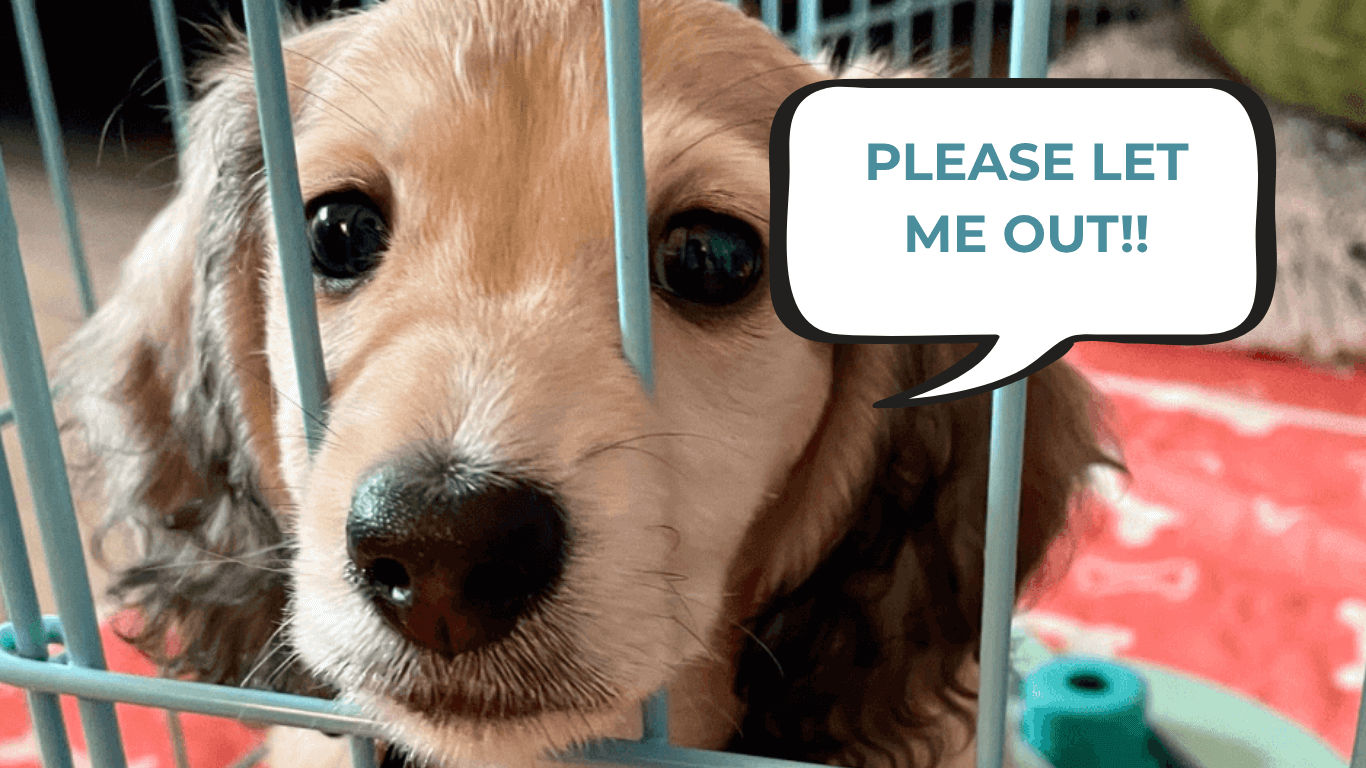
Toys can sometimes cause injuries. Sharp edges or small parts can hurt your dog’s mouth or paws. This can make your dog cry while playing.
Look for cuts, swelling, or limping after playtime. Remove any broken or unsafe toys to prevent harm.
Credit: www.dogsavvylosangeles.com
Behavioral Patterns Linked To Crying
Dogs often cry while playing with toys. This behavior can have different reasons. Understanding these patterns helps owners respond better.
Some dogs learn to cry to get attention or express feelings. Others use crying as a way to communicate with their owners.
Learned Responses
Dogs may cry during play because they have learned it brings a reaction. If owners give attention when dogs cry, the behavior can increase.
Some dogs cry to keep the play going. They learn that crying makes their owners more interested or playful.
- Dogs get attention by crying
- Crying keeps playtime active
- Owners respond to crying with more interaction
Communication Signals
Crying can also be a way for dogs to communicate feelings. They may be excited, frustrated, or want help with their toy.
Dogs use sounds like crying to tell owners what they need or feel during play. It helps them express themselves without words.
- Excitement shows through crying
- Frustration may cause whining or crying
- Crying asks for help or attention
How To Respond When Your Dog Cries
Dogs may cry while playing with toys for many reasons. Understanding why helps you respond in the right way. It keeps playtime fun and safe for your dog.
Look closely at your dog’s behavior. This helps you decide the best actions to take. Here are some tips for handling your dog’s cries during play.
Assessing The Situation
First, watch your dog carefully. Check if the cry sounds like pain or just excitement. Look for signs of injury or discomfort. Also, note if your dog is aggressive or scared.
- Check the toy for sharp edges or damage
- Look for wounds or swelling on your dog
- Notice if crying happens only with one toy
- Observe your dog’s body language for stress
- Stop play if the crying sounds like pain
Safe Toy Selection
Choosing the right toys can reduce crying. Pick toys made for your dog’s size and chewing style. Avoid toys that break easily or cause discomfort.
| Toy Type | Best For | Notes |
| Rubber chew toys | Strong chewers | Durable and soft on teeth |
| Plush toys | Gentle chewers | May tear easily |
| Rope toys | Teething puppies | Good for tug games |
| Interactive toys | Active dogs | Engages mind and body |
Training Tips
Training helps your dog enjoy toys without crying. Teach your dog to play gently. Reward calm behavior and ignore loud crying.
Try these training steps:
- Give the toy and watch your dog’s reaction.
- Say “gentle” when your dog uses soft bites.
- Stop play if your dog cries loudly or bites hard.
- Reward quiet and calm playing with treats.
- Repeat sessions short and positive to build good habits.

Credit: worldanimalfoundation.org
When To Seek Veterinary Help
Dogs may cry while playing with toys for many reasons. Sometimes, it is just part of their fun or excitement.
But crying can also signal a problem. You should watch your dog closely and know when to see a vet.
Signs Of Serious Issues
If your dog cries a lot while playing, it might mean pain or injury. Look for other signs that need care.
- Whining or crying even when not playing
- Favoring one leg or limping
- Swelling or redness on paws or mouth
- Sudden change in behavior or mood
- Refusing to eat or drink
- Excessive drooling or shaking
These signs may show your dog is hurt or sick. Do not ignore them.
Professional Diagnosis
A vet can check your dog for injuries or illness. They know how to find the cause of crying.
The vet may do tests like X-rays or blood work. They will give the right treatment to help your dog.
- Physical exam to check for pain or injury
- Diagnostic tests if needed
- Advice on how to care for your dog
- Medication or therapy if required
Frequently Asked Questions
Why Does My Dog Cry While Playing With Toys?
Dogs may cry when playing due to excitement or mild pain. It can indicate discomfort from sharp toy edges or sore teeth. Sometimes, crying signals frustration if they can’t catch or chew the toy properly.
Is Crying During Play A Sign Of Pain In Dogs?
Yes, crying can indicate pain if your dog chews too hard or gets hurt. Check the toy for hazards and observe for limping or behavioral changes. Consult a vet if crying persists or worsens during playtime.
Can Emotional Stress Cause My Dog To Cry When Playing?
Emotional stress or anxiety can cause dogs to cry during play. Changes in environment, loud noises, or separation anxiety might trigger this. Providing a calm space and familiar toys helps reduce stress-related crying.
Should I Change My Dog’s Toys If They Cry While Playing?
Yes, switch to softer, safer toys if your dog cries during play. Avoid hard or sharp-edged toys that can cause pain. Monitor your dog’s reaction to new toys to ensure comfort and safety.
Conclusion
Understanding your dog’s behavior helps strengthen your bond. Dogs cry with toys for various reasons. It could be excitement, frustration, or communication. Observing your dog’s actions is key. Notice their body language and sounds. Each dog is unique. Address their needs with patience and love.
Provide toys that suit their temperament. Ensure a safe and happy play environment. Seek professional advice if needed. Understanding creates a joyful experience for both. Enjoy the playful moments with your furry friend.