


Have you ever bought a new toy for your cat, only to watch it ignore the toy completely? It can be confusing and even a little frustrating.
You want your furry friend to have fun and stay active, but why won’t your cat play with toys? Understanding the reasons behind this behavior can help you connect better with your pet and find the perfect way to spark their interest.
Keep reading, and you’ll discover simple, effective tips to turn playtime into a joyful experience for both you and your cat.
Common Reasons Cats Avoid Toys
Sometimes cats do not play with toys, and this can confuse their owners. Understanding why cats avoid toys helps improve their happiness.
Cats have different reasons for ignoring toys. It could be health, boredom, or their environment.
Health Issues Affecting Play
When cats feel pain or are sick, they lose interest in playing. Health problems like arthritis or dental pain can stop play.
If a cat is very tired or has low energy, it may avoid toys. Regular vet check-ups help find health issues early.
Boredom And Lack Of Stimulation
Cats need new and exciting toys to stay interested. Playing with the same toys every day can make cats bored.
- Rotate toys to keep them fresh
- Introduce toys with different sounds or textures
- Play interactive games to engage your cat
Preference For Different Toy Types
Cats have unique tastes in toys. Some like soft toys, others prefer balls or feathers. Finding the right toy is key.
Observe what your cat likes. Try different shapes, sizes, and materials to see what excites your cat.
Stress And Environmental Factors
Stress can make cats avoid toys. Changes in the home, loud noises, or new pets cause stress and reduce playtime.
A calm and safe environment helps cats feel relaxed. Give your cat quiet spaces and time to adjust to changes.

Credit: www.reddit.com
Choosing The Right Toys
Not all cats enjoy the same toys. Choosing the right toy can make your cat want to play more.
Understanding what your cat likes helps you pick toys that fit their style and mood.
Interactive Vs. Solo Play Toys
Interactive toys need your help to play with your cat. Solo toys your cat can use alone.
Cats often like interactive toys for bonding. Solo toys keep them busy when you are away.
- Interactive toys: wand toys, laser pointers, feather teasers
- Solo toys: balls, stuffed mice, rolling toys
Textures And Materials Cats Prefer
Cats feel different textures with their paws and mouths. They may like soft or rough toys.
Materials like fabric, rubber, and feathers attract many cats. Some dislike plastic or hard surfaces.
- Soft fabric toys for gentle play
- Rubber toys for biting and chewing
- Feather toys to mimic prey
- Avoid toys with sharp edges
Using Catnip And Scented Toys
Catnip can make toys more interesting. Many cats like its smell and get excited to play.
Scented toys with familiar smells can comfort shy cats and draw them to play.
- Use catnip-filled toys for extra fun
- Try different scents to find what your cat likes
- Do not overuse catnip to keep toys special
Rotating Toys To Maintain Interest
Giving your cat the same toys all the time can get boring. Rotate toys to keep things fresh.
Put some toys away for a few days. Then bring them back to renew your cat’s interest.
- Keep a small toy box
- Switch toys every few days
- Watch which toys your cat prefers
Techniques To Encourage Play
Many cats seem uninterested in toys. This can puzzle their owners. There are ways to make playtime fun for your cat. Using the right techniques helps encourage your cat to play more.
Understanding your cat’s behavior and preferences is key. Try different approaches to see what excites your cat the most. Below are helpful methods to invite your cat to play.
Engaging With Your Cat Properly
Spend time near your cat without forcing play. Speak softly and move slowly to avoid startling them. Let your cat approach the toy or you when they feel ready. Use toys that mimic natural prey to grab their interest.
- Use feather wands or string toys
- Make gentle, quick movements
- Allow your cat to chase and catch
- Give your cat space if they seem scared
Creating Playtime Routines
Set regular times for play each day. Cats feel safer and more willing to play when they expect it. Short sessions are better than long ones. Keep play consistent to build a habit.
- Choose a quiet time when your cat is alert
- Play for 5 to 10 minutes at a time
- End play before your cat gets tired
- Repeat daily or twice daily
Using Movement To Attract Attention
Movement excites cats and triggers their hunting instincts. Vary the speed and direction of the toy to keep them interested. Small, fast motions often work best. Avoid dragging toys on the floor too slowly.
| Movement Type | Effect on Cat |
|---|---|
| Quick flicks | Stimulates chasing |
| Wiggling | Triggers pouncing |
| Small jumps | Encourages jumping and grabbing |
| Slow dragging | May cause boredom |
Incorporating Treats And Rewards
Use treats to reward your cat after play. This makes playtime positive and fun. Giving treats helps your cat connect toys with good feelings. Avoid overfeeding by using small treats.
- Offer treats right after play sessions
- Use puzzle toys that release treats
- Pair treats with new or less liked toys
- Keep treats healthy and low in calories
Addressing Behavioral Challenges
Cats sometimes avoid playing with toys due to behavior issues. Understanding these challenges helps improve their playtime.
Each cat is unique, and knowing what affects their play can lead to better interaction and fun.
Dealing With Fear Or Anxiety
Fear or anxiety can stop cats from playing. Loud noises or new places may scare them.
Try these tips to help your cat feel safe:
- Give quiet spaces where the cat can relax.
- Introduce new toys slowly and gently.
- Play near your cat without forcing interaction.
- Use soft voices and calm movements.
- Keep a routine to reduce stress.
Handling Aggression During Play
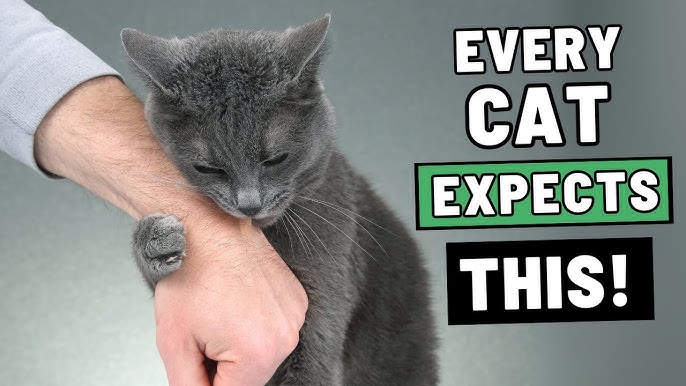
Some cats show aggression while playing. They may bite or scratch unexpectedly.
Follow these steps to manage play aggression:
- Use toys that keep your hands safe, like wand toys.
- Stop play if your cat becomes too rough.
- Give your cat breaks during play sessions.
- Reward calm behavior with treats or praise.
- Avoid using your hands as toys.
Encouraging Play In Older Cats
Older cats may lose interest in toys. They need gentle encouragement to play.
Try these ideas to engage your senior cat:
| Tip | Description |
| Choose Soft Toys | Use toys that are easy to catch and soft to touch. |
| Short Play Sessions | Keep playtimes brief to avoid tiring them. |
| Use Treats | Reward play with small treats to motivate. |
| Gentle Movement | Move toys slowly to match their slower reflexes. |
| Comfortable Space | Play where your cat feels safe and relaxed. |
When To Consult A Veterinarian
Sometimes, lack of play signals health problems. Check with a vet if your cat:
- Suddenly stops playing or loses interest in toys.
- Shows signs of pain or discomfort.
- Has changes in eating or bathroom habits.
- Becomes aggressive or withdrawn.
- Shows unusual behavior that lasts several days.
A vet can find health issues and suggest treatment or care.
Enhancing The Play Environment
Sometimes cats do not want to play with toys because their play area is not right. Changing the space can make a big difference.
Creating a good place for your cat to play helps them feel safe and excited to use their toys.
Safe And Comfortable Play Spaces
Your cat needs a spot where they feel safe to play. Loud noises or strange smells can scare them.
Choose a quiet area with soft bedding and enough room to move. This helps your cat relax and have fun.
- Pick a quiet corner away from loud sounds
- Use soft mats or blankets for comfort
- Keep the area clean and free of strong smells
Using Vertical And Horizontal Areas
Cats like to explore both up and down spaces. Toys placed in different spots can keep them interested.
Add shelves or cat trees for climbing. Also, use floor space for toys that cats can chase or bat around.
- Install cat shelves or climbing posts
- Place toys on the floor for chasing
- Use hanging toys to encourage jumping
Minimizing Distractions
Too much noise or activity can stop your cat from playing. Find a calm place to set up their toys.
Turn off TVs or radios and close doors to block outside sounds during playtime.
- Choose quiet rooms for play sessions
- Remove other noisy devices during play
- Keep the play area free from clutter
Involving Other Pets Carefully
Other pets can either help or hurt your cat’s playtime. Watch how they act around toys.
Let your cat play alone if other pets are too rough or distracting. Slowly introduce shared play if both are calm.
- Observe how pets interact during play
- Separate pets if they cause stress
- Encourage gentle play with shared toys

Credit: m.youtube.com

Credit: www.reddit.com
Frequently Asked Questions
Why Won’t My Cat Show Interest In Toys?
Cats may ignore toys due to boredom, stress, or health issues. Try new toy types, interactive play, or consult a vet if disinterest persists.
Can Age Affect My Cat’s Play Behavior?
Yes, older cats often play less due to lower energy or arthritis. Provide gentle, slow-moving toys to encourage mild activity.
How Do I Encourage A Shy Cat To Play?
Use quiet, small toys and gentle encouragement. Engage during calm moments and offer treats as positive reinforcement for play.
Could My Cat’s Environment Impact Toy Interaction?
Yes, a noisy or stressful environment can reduce playfulness. Create a calm, safe space to help your cat feel comfortable with toys.
Conclusion
Understanding your cat’s behavior is key to improving playtime. Cats may avoid toys due to stress or health issues. Variety in toys can spark interest. Pay attention to your cat’s preferences. Interactive play might increase engagement. Sometimes, patience is needed.
Watch and learn from their reactions. Consult a vet if behavior changes. Remember, each cat is unique. They have their own quirks and needs. Building a bond takes time. Be patient and attentive. Encourage play with love and care. Your cat’s happiness is worth the effort.