
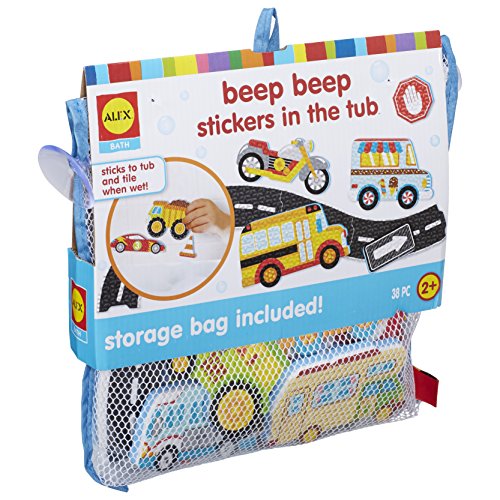


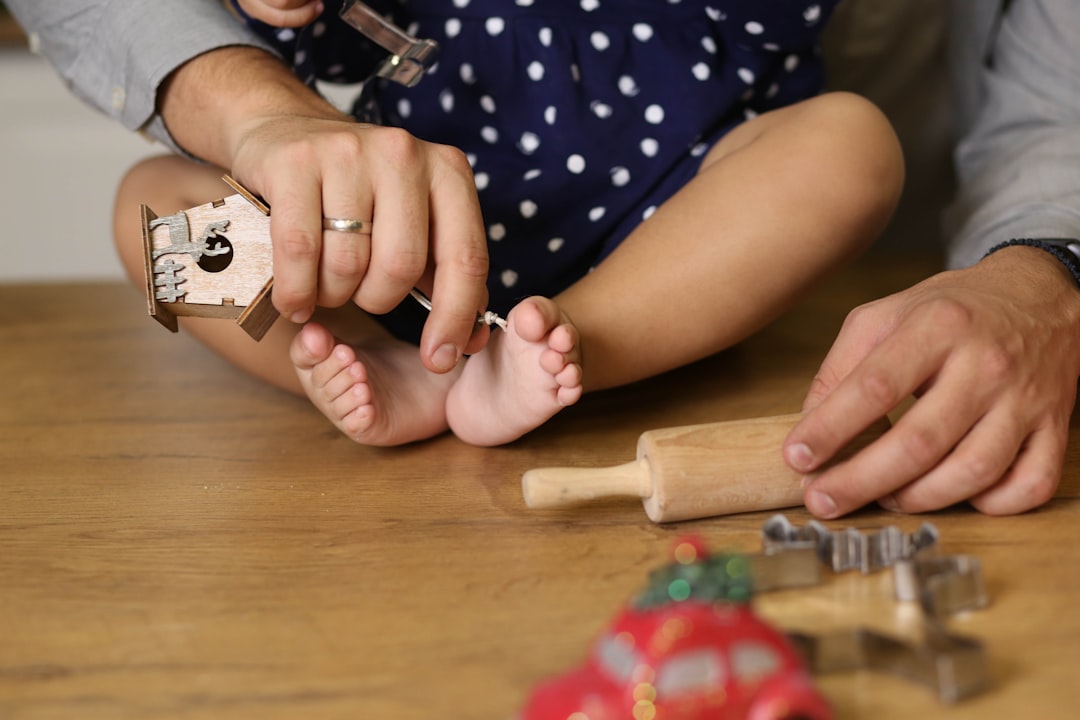
Have you ever wondered if the toys your child plays with do more than just keep them busy? What if those colorful blocks or action figures are actually helping your child become smarter?
Imagine your child’s imagination acting like a superpower, boosting their thinking skills without you even realizing it. You’ll discover how playing with toys and using imagination can shape your child’s brain in ways that matter most. Keep reading, because what you learn here could change how you see playtime forever.
Imagination And Brain Development
Imagination plays a vital role in a child’s brain development. It helps children explore new ideas and solve problems. Playing with toys sparks creativity and builds important brain connections. These experiences shape how children think and learn.
How Play Boosts Cognitive Skills
Playing with toys develops many cognitive skills. Children learn to focus and pay attention. They practice memory by remembering game rules or stories. Problem-solving skills grow as they figure out how toys work. Play also improves language skills by encouraging kids to talk and describe their actions.
Link Between Creativity And Intelligence
Creativity and intelligence are closely connected in children. Imaginative play helps children think in new ways. Creative thinking allows kids to approach problems differently. This flexibility supports learning and academic success. Children who use imagination often show higher reasoning skills and better understanding.
Role Of Toys In Learning
Toys play a vital role in how children learn and grow. They offer more than just fun. Toys help kids explore ideas, practice skills, and develop their minds. Using toys encourages imagination and creativity, which are key to learning. Through play, children gain new knowledge and improve thinking abilities.
Types Of Toys That Encourage Thinking
Some toys are designed to boost thinking skills. Puzzles, building blocks, and shape sorters challenge kids to solve problems. These toys ask children to plan, match, and organize. Toys like memory games and pattern sets help improve concentration and logic. Creative toys such as art supplies and dress-up clothes inspire imagination and story-making. Choosing toys that require thought encourages smarter play.
Hands-on Play And Problem Solving
Hands-on play lets children learn by doing. Manipulating objects helps kids understand cause and effect. When children build or fix toys, they practice problem solving. This kind of play teaches patience and persistence. Kids learn to test ideas and find solutions. Physical play with toys improves coordination and fine motor skills. Active engagement in play supports brain growth and learning.
Social Benefits Of Imaginative Play
Imaginative play offers many social benefits for children. It helps them learn how to interact with others and understand feelings. Kids develop skills that are important for making friends and working in groups. Playing with toys and acting out stories creates opportunities for social growth. This kind of play shapes a child’s ability to communicate and relate to people.
Building Communication Skills
Imaginative play encourages kids to use words and gestures. They practice talking, explaining, and listening during play. Children learn how to express ideas clearly and understand others. Role-playing games help them try out different ways to speak. This builds confidence in sharing thoughts and feelings. Clear communication is key for success in school and social life.
Enhancing Emotional Intelligence
Playing make-believe helps children recognize their own emotions. They also learn to see how others feel. Acting out different roles teaches empathy and kindness. Kids understand different viewpoints through pretend scenarios. This awareness improves how they handle emotions in real life. Emotional intelligence supports strong friendships and teamwork.
Scientific Studies On Play And Intelligence
Scientific studies reveal a fascinating link between imaginative play and intelligence. Playtime is more than just fun for children. It contributes to their cognitive development in significant ways. Researchers have explored how playing with toys and using imagination can impact a child’s intelligence.
Research Findings On Playtime And Iq
Studies show a positive correlation between playtime and higher IQ levels. Children who engage in imaginative play tend to develop better problem-solving skills. They are able to think creatively and adapt to new situations more effectively. This type of play encourages mental flexibility, which is crucial for learning.
Long-term Effects On Academic Performance
Imaginative play has long-term benefits for children’s academic performance. Research indicates that kids who play often perform better in school. They develop strong language and communication skills early on. These skills are essential for reading and writing success. Play also enhances memory and concentration, leading to better grades.
Encouraging Imaginative Play At Home
Encouraging imaginative play at home can significantly boost your child’s cognitive and creative skills. When kids engage in pretend scenarios, they learn problem-solving, language, and emotional understanding. Creating the right setting and choosing appropriate toys can make all the difference in nurturing their imagination.
Creating A Stimulating Environment
Make a dedicated play area where your child feels free to explore ideas without distractions. Keep this space organized but flexible—allowing for easy access to various materials can inspire spontaneous creativity.
Consider adding simple items like scarves, cardboard boxes, or art supplies. These open-ended materials invite your child to invent stories and roles, developing critical thinking and social skills.
Have you noticed how children often turn everyday objects into something magical? Encouraging this behavior helps them see the world differently and boosts intelligence in subtle ways.
Choosing The Right Toys For Development
Select toys that challenge your child’s mind and encourage imaginative scenarios. Building blocks, dolls, action figures, and art kits are great choices because they invite storytelling and role-playing.
Look for toys that don’t have a fixed purpose. Toys that allow multiple uses give your child the freedom to create their own rules and stories. This flexibility supports problem-solving and innovation.
Instead of buying every trending toy, observe what sparks your child’s curiosity. Sometimes, a simple toy that fits their current interests will engage them more deeply and foster smarter play.
Frequently Asked Questions
How Does Imaginative Play Affect Kids’ Intelligence?
Imaginative play enhances creativity, problem-solving, and critical thinking. These skills contribute to higher cognitive development and smarter behavior in children. Playing with toys sparks curiosity and helps kids understand the world better, boosting their intelligence effectively.
Can Playing With Toys Improve A Child’s Brain Development?
Yes, playing with toys stimulates brain areas related to memory, language, and spatial skills. It encourages exploration and learning, which supports overall brain growth and cognitive abilities in children.
Why Is Imagination Important For Children’s Learning?
Imagination allows children to experiment, create, and solve problems uniquely. It fosters emotional intelligence, adaptability, and innovative thinking, which are essential for successful learning and intellectual growth.
Do Kids Who Use Imagination Perform Better Academically?
Children who regularly engage in imaginative play often develop better focus, communication, and reasoning skills. These improvements can lead to enhanced academic performance and a stronger ability to grasp complex concepts.
Conclusion
Playing with toys and using imagination helps kids learn and grow. It boosts creativity, problem-solving, and social skills. These activities make the brain active and strong. Kids who imagine and play often do better in school and life. Encouraging playtime is simple but very powerful.
It shapes smarter, happier children ready for challenges ahead. Let’s support children’s play for a brighter future.