


Are you wondering if ride-on toys are really worth the investment for your child? You might be asking yourself if they’re just another passing trend or if they actually bring real value to playtime.
Imagine your child’s face lighting up as they zoom around, gaining confidence and having fun. But beyond the excitement, what benefits do these toys truly offer? You’ll discover the surprising ways ride-on toys can boost your child’s development and whether they’re a smart choice for your family.
Keep reading to find out if a ride-on toy is the perfect addition to your home.
Benefits For Child Development
Ride on toys offer more than just fun. They help children grow and learn new skills.
These toys support physical, mental, and social development in many ways.
Enhancing Motor Skills
Using ride on toys helps children improve their motor skills. They learn to steer, balance, and pedal.
These activities build muscle strength and coordination in young kids.
- Improves hand-eye coordination
- Strengthens leg and arm muscles
- Teaches balance and control
Boosting Imagination
Ride on toys encourage kids to use their imagination. They pretend to drive cars, trucks, or bikes.
This kind of play helps children create stories and explore new ideas.
- Encourages creative thinking
- Supports role-playing games
- Helps develop storytelling skills
Encouraging Outdoor Play
Ride on toys motivate children to go outside and be active. Fresh air and exercise benefit their health.
Playing outdoors also helps kids learn social skills by interacting with others.
- Promotes physical activity
- Improves social interactions
- Exposes kids to nature
Types Of Ride On Toys
Ride on toys come in many styles. They offer fun and help kids develop motor skills.
Choosing the right type depends on your child’s age and preferences. Let’s explore the main types.
Electric Vs. Manual
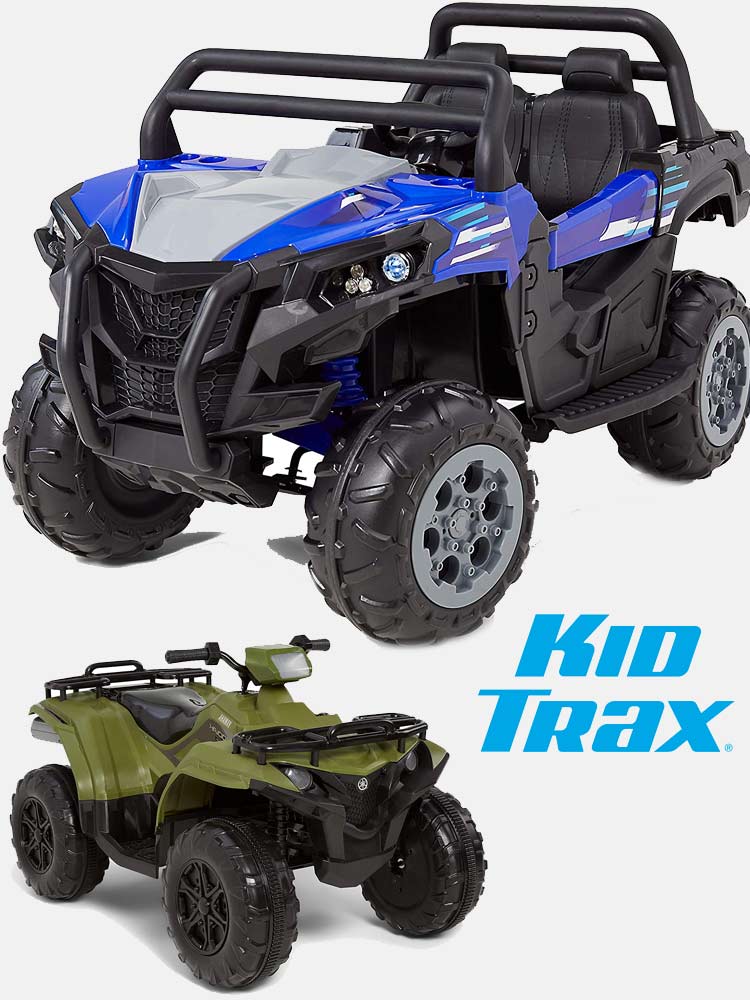
Electric ride on toys have motors powered by batteries. Kids can drive them without much effort.
Manual ride on toys require kids to use their feet or hands to move. They help build strength.
- Electric:Easier to use, faster, often come with lights and sounds.
- Manual:Cheaper, simpler, good for younger kids.
Age-appropriate Options
Ride on toys are designed for different age groups. Safety and size are key factors.
Young toddlers need small, slow toys. Older kids can handle bigger, faster models.
- 1-3 years:Push cars or ride on walkers with low speed.
- 3-5 years:Battery-powered cars with simple controls.
- 5+ years:Larger electric vehicles or manual bikes.
Popular Brands And Models
Many brands make ride on toys. Some are known for quality and safety.
Choosing trusted brands can give peace of mind about durability and design.
- Fisher-Price: Known for toddler-friendly push and ride toys.
- Power Wheels: Offers a wide range of electric ride on vehicles.
- Little Tikes: Popular for durable manual and electric models.
- Razor: Famous for manual scooters and electric ride on toys.
Safety Considerations
Ride on toys provide fun and exercise for children. Safety should always be a top priority.
Parents and caregivers must understand risks and ways to keep kids safe.
Essential Safety Features
Look for ride on toys with sturdy construction and good stability. Avoid models that tip easily.
Brakes and speed limiters help control movement and reduce accidents. Check if the toy has these features.
- Strong, durable materials
- Wide wheelbase for balance
- Effective brakes or speed control
- Non-slip footrests
Helmet And Gear Recommendations
Children should wear helmets every time they use ride on toys. Helmets protect the head from injury.
Additional protective gear like knee pads and elbow pads can prevent scrapes and bruises.
- Use a properly fitting helmet
- Wear knee and elbow pads
- Choose closed-toe shoes for foot protection
Supervision Guidelines
Adult supervision is crucial while children play with ride on toys. Watch for unsafe behavior.
Set clear boundaries and rules to keep kids in safe areas away from traffic or stairs.
- Stay close to children at all times
- Use ride on toys in safe, flat areas
- Teach children proper use and rules

Credit: www.amazon.ca
Cost And Durability
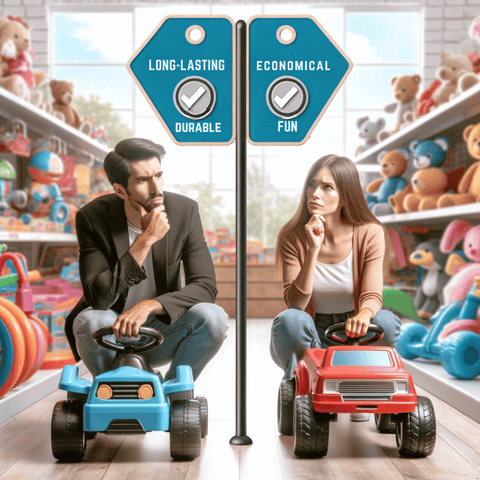
Ride on toys are popular for kids to enjoy outdoor play. Parents often wonder if these toys are worth buying. Two main things to think about are cost and how long the toy lasts.
Understanding these factors helps you choose the right ride on toy that fits your budget and lasts through playtime.
Price Ranges To Expect
Ride on toys come in many prices. Basic models cost less. More features raise the price. Knowing price ranges helps set the right budget.
- Simple push or pedal toys: $20 to $50
- Battery-powered ride ons: $80 to $250
- Licensed character models: $150 to $300
Material Quality And Lifespan
Strong materials make ride on toys last longer. Plastic is common but varies in quality. Metal parts add durability. Check the build before buying.
Toys with thick plastic or metal frames last through rough play. Look for toys that can handle outdoor use and weight limits safely.
- High-quality plastic resists cracks and breaks
- Metal frames support more weight and last longer
- Good tires improve ride and wear resistance
- Check for safe, non-toxic materials
Maintenance Tips
Proper care helps ride on toys last longer. Clean the toy after use. Store it inside to avoid weather damage. Check parts often.
- Wipe down plastic surfaces with a damp cloth
- Keep batteries charged and check connections
- Tighten loose screws or bolts regularly
- Replace worn tires or broken parts quickly
- Store toys in dry places to prevent rust
Space And Storage Needs
Ride on toys can take up a lot of space in your home or yard. Planning for storage is important before buying one.
Knowing where and how you will store the toy helps keep your space organized and safe.
Indoor Vs. Outdoor Usage
Ride on toys used indoors need enough room to move without hitting furniture. They can make a room feel crowded.
Outdoor ride on toys need space like a driveway or yard. They can handle rough surfaces better than indoor models.
- Indoor toys are smaller and lighter
- Outdoor toys are bigger and more durable
- Indoor use requires clear floor space
- Outdoor use needs a safe play area
Compact Models For Small Spaces
Compact ride on toys fit well in small homes and apartments. They are easy to store in closets or under beds.
Choosing a compact model helps save space and keeps your home tidy.
- Look for foldable or stackable designs
- Choose lightweight models for easy moving
- Check the toy’s size before buying
- Use storage bins or shelves to organize parts
Credit: riiroo.com
Parental Reviews And Feedback
Many parents wonder if ride on toys are worth buying for their kids. These toys often promise fun and learning. Parents share their real experiences to help others decide.
This feedback shows what parents like and dislike about ride on toys. It also offers advice from those who have used them for a long time.
Common Praise
Parents often say ride on toys keep their children active and happy. Many mention that kids enjoy the independence these toys provide. The toys can also improve balance and coordination.
- Encourages outdoor play and exercise
- Helps develop motor skills and balance
- Keeps children entertained for long periods
- Offers a sense of independence and fun
- Usually easy to use and safe for toddlers
Typical Complaints
Some parents find ride on toys take up too much space indoors. A few mention that batteries or parts can break easily. Others wish the toys were more durable for rough play.
- Can be bulky and hard to store
- Battery life may be short on electric models
- Plastic parts may break after rough use
- Some models are too fast or hard to control
- May require adult supervision at all times
Tips From Experienced Parents
Experienced parents suggest choosing the right size and weight for your child. They recommend checking battery quality if the toy is electric. Many advise setting clear play rules to keep kids safe.
- Pick a toy that fits your child’s age and size
- Look for sturdy materials and good reviews
- Test battery and charging features before buying
- Set time limits to avoid overuse
- Supervise children during play to prevent accidents
Alternatives To Ride On Toys
Ride on toys can be fun, but they are not the only way for kids to play outside or inside. There are many other activities that help children learn and move.
This article looks at different options for outdoor and indoor play that can be just as enjoyable and helpful for children’s growth.
Other Outdoor Activities
Outdoor activities help children get fresh air and exercise. Kids can explore nature and use their imagination without needing ride on toys.
Simple outdoor games and activities teach teamwork and build physical skills.
- Playing tag or hide and seek
- Riding a bicycle or scooter
- Flying a kite on a windy day
- Gardening or planting flowers
- Using a jump rope or hula hoop
Indoor Play Options
Indoor play is important when the weather is bad or when children need to stay inside. Many toys and activities help kids stay active and creative indoors.
Indoor options can improve hand-eye coordination and problem solving skills.
- Building with blocks or LEGO sets
- Playing with puzzles and board games
- Drawing, coloring, or crafting
- Using play tunnels or tents
- Having dance or exercise time with music
Credit: mommyhood101.com
Frequently Asked Questions
Are Ride On Toys Safe For Young Children?
Yes, most ride on toys are designed with safety features like speed limits and sturdy construction. Always check age recommendations and supervise children during use to ensure safety.
Do Ride On Toys Improve Children’s Motor Skills?
Ride on toys help develop coordination, balance, and spatial awareness. They encourage active play, which enhances gross motor skills and promotes physical activity in children.
How Long Do Ride On Toys Typically Last?
The lifespan varies by quality and usage but generally lasts several years. Proper maintenance and storage can extend the durability of ride on toys significantly.
Are Ride On Toys Worth The Investment?
Ride on toys offer fun, physical activity, and skill development, making them a valuable investment. They provide long-term entertainment and promote healthy outdoor play.
Conclusion
Ride on toys offer fun and help kids learn balance and coordination. They keep children active and entertained for hours. Parents find them useful for outdoor play and social skills. Consider your child’s age and interests before buying one. Quality and safety matter the most for a good experience.
Overall, ride on toys can bring joy and help development. Worth the cost? Often, yes, if chosen carefully. Think about space and budget too. A smart choice leads to happy kids and peace of mind.