


Have you ever wondered if all cockatiels enjoy playing with toys? If you have a cockatiel or are thinking about getting one, understanding their play habits can make a big difference in their happiness.
Toys don’t just keep your bird busy—they can boost their mood, help with their health, and strengthen your bond. But do all cockatiels really love toys, or do some prefer other ways to have fun? Keep reading to discover what makes your feathered friend tick and how you can keep them entertained and thriving every day.

Credit: www.reddit.com
Cockatiel Play Habits
Cockatiels love to play and explore their environment. Play helps keep them happy and healthy.
Not all cockatiels play with toys in the same way. Their habits depend on many factors.
Natural Play Behavior
Cockatiels play by chewing, climbing, and exploring. These actions help them stay active.
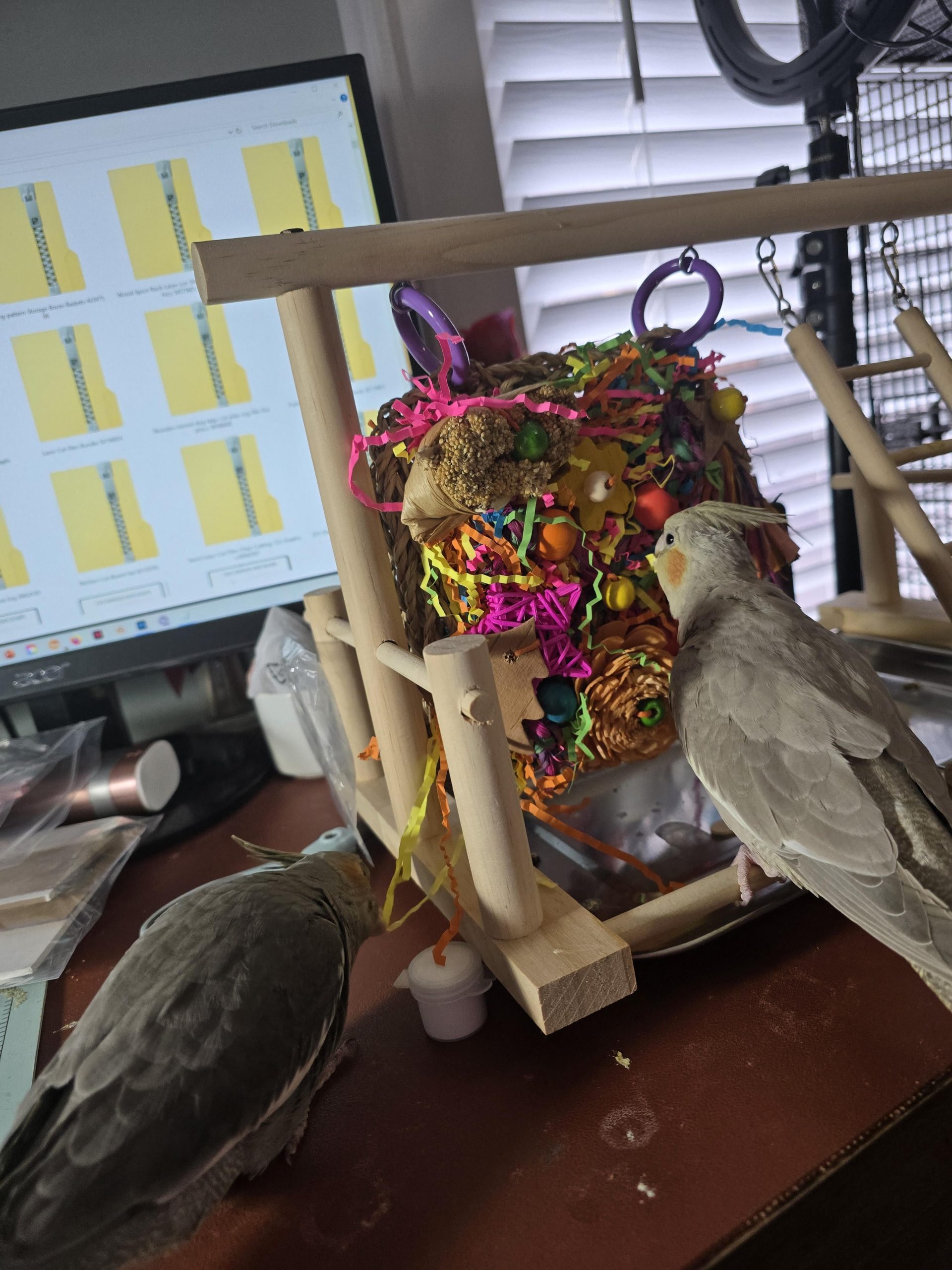
They use toys to mimic natural behaviors like foraging and nest building. Toys provide mental exercise.
- Chewing soft wood or paper
- Climbing ropes or ladders
- Shaking or tossing small objects
- Foraging for hidden treats
Individual Personality Differences
Each cockatiel has a unique personality. Some enjoy toys more than others.
Some cockatiels prefer quiet time or cuddling instead of playing. Others get bored easily without toys.
- Active birds need more toys and interaction
- Shy birds may prefer simple toys or none
- Age and health affect play interest
- Owner attention can increase play activity
Types Of Toys Cockatiels Enjoy
Cockatiels love to play with toys that keep them busy and happy. Toys help them stay active and healthy.
Different types of toys give cockatiels new ways to explore and have fun. Let’s look at some popular kinds.
Chewable Toys
Cockatiels enjoy toys they can chew on safely. Chewing helps keep their beaks strong and healthy.
These toys are often made from natural wood, soft paper, or safe leather strips. They let birds bite and shred.
- Wooden blocks or sticks
- Cardboard pieces
- Leather strips or rings
- Natural fiber ropes
Interactive Toys
Interactive toys keep cockatiels busy by moving or making sounds. These toys invite birds to play and explore.
They include bells, mirrors, and swings that react to bird’s actions. These toys help with mental stimulation.
- Bells that ring when touched
- Small mirrors for reflection
- Swings and ladders for climbing
- Toys with moving parts
Foraging Toys
Foraging toys hide treats to encourage natural searching behavior. Cockatiels enjoy the challenge of finding food.
These toys keep birds busy and mentally sharp. They come in many shapes and sizes to fit different needs.
- Food puzzles with hidden treats
- Toys with small compartments
- Boxes or balls that roll
- Leafy or grassy hiding spots
Reasons Some Cockatiels Avoid Toys
Not all cockatiels like playing with toys. Some birds may stay away from them. Understanding why can help you care better for your pet.
There are several reasons cockatiels avoid toys. These include stress, health problems, and lack of familiarity with the toys.
Stress And Anxiety
Cockatiels can feel stressed or anxious. This may happen if they are in a new place or hear loud noises. Stress makes them less likely to play.
- Changes in environment
- Too much noise
- New people or animals
- Sudden movements near their cage
Health Issues
When cockatiels do not feel well, they avoid toys. Illness or pain can reduce their interest in playing.
| Health Problem | Effect on Toy Play |
| Respiratory issues | Less energy to play |
| Injury | Avoids moving or chewing toys |
| Digestive problems | Feels weak and inactive |
| Feather loss or skin issues | Distracted by discomfort |
Lack Of Familiarity
Cockatiels may avoid toys they do not know. New or strange toys can make them cautious or scared.
Tips to help cockatiels get used to new toys:
- Introduce one toy at a time.
- Place toys near their favorite spots.
- Show the toy by playing with it yourself.
- Be patient and give time to adjust.
Encouraging Toy Interaction
Not all cockatiels play with toys right away. Some birds need time and help to enjoy toys. Encouraging toy interaction is important for their happiness and health.
Using simple steps can make toys more interesting for your cockatiel. This guide shows how to encourage your bird to play with toys.
Introducing New Toys Gradually
New toys can be scary for cockatiels. Introduce toys slowly to avoid stress. Let your bird see and touch the toy at its own pace.
Start with one toy at a time. Watch how your cockatiel reacts before adding more toys. This helps build trust and interest.
Creating A Stimulating Environment
Cockatiels enjoy a lively and varied space. Place toys in different spots around their cage. This makes playtime fun and exciting.
Use toys that move, make sounds, or have bright colors. Change toys often to keep your bird curious and active.
- Hang swings and ladders
- Use chewable and noisy toys
- Rotate toys weekly
Using Treats And Praise
Give treats when your cockatiel interacts with toys. This creates a positive link between toys and rewards. Use small, healthy treats for best results.
Praise your bird with a gentle voice. Clap softly or say kind words. Positive attention helps your cockatiel feel safe and eager to play.
Signs Your Cockatiel Needs More Play
Cockatiels are lively birds that enjoy toys and playtime. Not all cockatiels play with toys in the same way. Some may lose interest if they do not get enough interaction.
Watching your cockatiel’s behavior can help you know if it needs more play. Play helps keep them happy and healthy.
Behavioral Changes
Your cockatiel may show changes in behavior when it needs more play. It might become quiet or less active than usual.
Some cockatiels might start biting or screaming more. These actions can mean they want attention or toys to play with.
- Less singing or chirping
- More biting or nipping
- Increased screaming or loud calls
- More time sitting still or hiding
Boredom Indicators
Bored cockatiels often show signs that they need more stimulation. They might start plucking their feathers or chewing cage bars.
Without toys or playtime, cockatiels can become restless and unhappy. They need new things to explore and interact with.
- Feather plucking or over-preening
- Chewing on cage bars or furniture
- Repetitive movements like pacing
- Lack of interest in food or treats
Physical Health Effects
A lack of play can affect a cockatiel’s health. Without exercise, they may gain weight or lose muscle strength.
Play helps keep their bodies strong and their minds sharp. Cockatiels that do not play enough can become weak or sick.
- Weight gain or obesity
- Loss of muscle tone
- Low energy or lethargy
- Weakened immune system
Credit: kathylafollett.medium.com
Balancing Play And Rest
Not all cockatiels play with toys the same way. Some love toys, others prefer quiet time. It is important to balance their play and rest.
Giving cockatiels time to relax helps them stay healthy and happy. Playtime keeps them active and curious.
Recognizing Play Preferences
Each cockatiel has different likes and dislikes for toys. Watch how your bird reacts to various toys to learn what it enjoys.
Some cockatiels like chewing, while others enjoy climbing or swinging. Notice if your bird loses interest quickly or plays for long periods.
- Observe if your cockatiel prefers soft or hard toys
- Note if it enjoys noisy or quiet toys
- See if it likes to shred or just hold toys
- Watch how long it plays with each type of toy
Ensuring Adequate Downtime
Rest is as important as play for cockatiels. They need quiet time to recover their energy.
Make sure your bird has a calm area free from noise and distractions. This helps it feel safe to rest fully.
- Provide a cozy, dark space for sleeping
- Avoid loud noises during rest times
- Keep playtime sessions short and frequent
- Watch for signs of tiredness like fluffing feathers

Credit: www.reddit.com
Frequently Asked Questions
Do All Cockatiels Enjoy Playing With Toys?
Not all cockatiels play with toys, but most do. Toys stimulate their minds and prevent boredom. Individual preferences vary, so some birds may prefer interaction or exploration over toys.
What Types Of Toys Do Cockatiels Prefer?
Cockatiels enjoy toys that are safe, colorful, and interactive. Chewable toys, bells, mirrors, and swings are popular. Toys that mimic natural foraging also keep them engaged and happy.
How Often Should Cockatiels Get New Toys?
It’s good to rotate or introduce new toys every few weeks. This keeps cockatiels mentally stimulated and prevents boredom. Regular toy changes encourage healthy activity and curiosity.
Can Cockatiels Get Bored Without Toys?
Yes, cockatiels can become bored without toys. Boredom may lead to feather plucking or behavioral issues. Providing toys and social interaction helps maintain their well-being.
Conclusion
Not all cockatiels play with toys, but many do. Toys can enrich their lives. Offer a variety to see their preferences. Some enjoy bells and mirrors. Others prefer chewable toys. Observing them helps choose the best toys. Playtime strengthens your bond.
Keeps them active and happy. A happy cockatiel means a happy home. So, explore their playful side. Encourage their curiosity with safe toys. It’s a fun journey for both. Enjoy your time with these delightful birds.