


Are your soft toys making you sneeze or causing itchy skin? Dust mites, tiny invisible creatures, love hiding in those cuddly companions.
They can trigger allergies and make your home less comfortable. But don’t worry—you can take simple steps to get rid of dust mites and keep your soft toys fresh and safe. You’ll discover easy, effective ways to protect your family and enjoy your favorite toys without worry.
Keep reading to learn how to say goodbye to dust mites for good!

Credit: idustmite.com
Why Dust Mites Thrive In Soft Toys
Dust mites are tiny creatures that live in warm and humid places. Soft toys provide the perfect home for them. The fabric and stuffing trap dust, skin flakes, and moisture. These things help dust mites grow and multiply.
Because soft toys are often cuddled and rarely cleaned, they keep dust mites safe. This makes soft toys a common place for these tiny pests.
Common Dust Mite Habitats
Dust mites live in many places inside homes. They like areas with soft materials and warmth. Soft toys are one of their favorite spots because they hold dust and skin flakes well.
- Beds and mattresses
- Carpets and rugs
- Upholstered furniture
- Soft toys and stuffed animals
- Curtains and fabric-covered items
Soft toys often escape regular cleaning. This allows dust mites to stay and grow inside them. This makes soft toys a hidden habitat for dust mites.
Health Risks Linked To Dust Mites
Dust mites can cause health problems for many people. Their waste and body parts can trigger allergies and asthma. Children are especially at risk from dust mites in soft toys.
- Allergic reactions like sneezing and runny nose
- Itchy, red, or watery eyes
- Asthma attacks and breathing problems
- Skin rashes or eczema
Cleaning soft toys often helps reduce dust mites. This lowers the chance of health issues caused by these tiny pests.
Regular Cleaning Methods
Dust mites can hide in soft toys and cause allergies. Cleaning soft toys often helps keep dust mites away. Use safe and easy cleaning ways to protect your toys and health.
Regular cleaning removes dust, dirt, and mites. You can wash or vacuum toys to clean them. Both methods help keep soft toys fresh and safe for children.
Washing Soft Toys Safely
Washing is a good way to get rid of dust mites in soft toys. Use gentle soap and warm water to protect the fabric. Check the toy’s label for washing instructions before cleaning.
Use a washing machine only if the toy is machine washable. Put soft toys in a pillowcase or laundry bag to stop damage. Use a gentle cycle and mild detergent.
- Check toy label for washing instructions
- Use mild detergent and warm water
- Place toys in a laundry bag or pillowcase
- Choose gentle washing cycle
- Air dry toys fully before use
Using Vacuum Cleaners On Toys
Vacuuming soft toys can help remove dust mites and dirt. Use a vacuum cleaner with a soft brush attachment to avoid damage. Vacuum toys regularly to keep them clean between washes.
Be gentle when vacuuming to keep the toy’s shape. Avoid strong suction on fragile parts. This method cleans the surface and reduces allergens without wetting the toy.
- Use soft brush attachment on vacuum
- Vacuum gently to protect the toy
- Clean toys regularly to reduce dust mites
- Do not use strong suction on delicate parts
- Vacuuming is good between washing sessions
Deep Cleaning Techniques
Dust mites live in soft toys and cause allergies. Deep cleaning helps remove them safely. Using strong cleaning methods kills dust mites and keeps toys fresh.
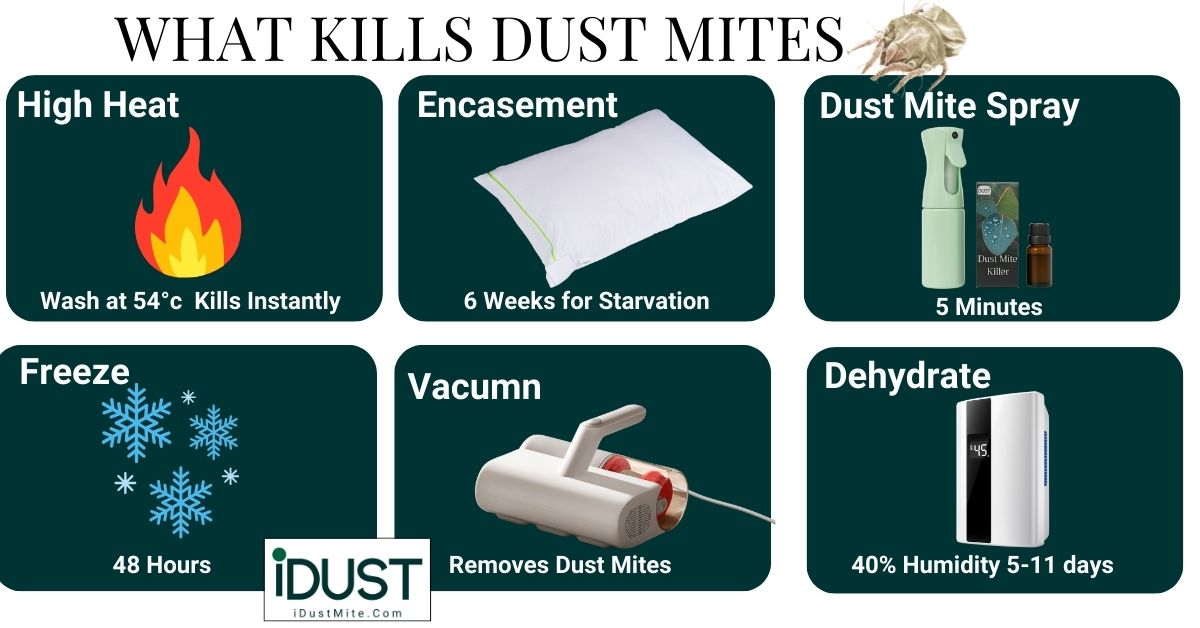
Regular washing is good, but deep cleaning gets rid of more dust mites. Try special treatments like freezing or heat to clean toys well.
Freezing To Kill Dust Mites
Freezing soft toys kills dust mites by making them inactive. Put the toy in a plastic bag to keep it dry. Leave it in the freezer for at least 24 hours.
After freezing, let the toy warm up before using. This process does not damage most soft toys. It is a safe way to reduce dust mites without washing.
Sunlight And Heat Treatment
Sunlight kills dust mites because they cannot survive heat and UV rays. Place soft toys outside on a sunny day for several hours. Turn the toy to expose all sides.
Heat from the sun dries dust mites and stops their growth. Avoid leaving toys in direct sunlight too long to prevent color fading. This method works well with regular cleaning.

Credit: www.reddit.com
Preventive Measures
Dust mites can hide in soft toys and cause allergies. Taking steps to prevent dust mites helps keep toys clean and safe.
Using the right toys and storing them properly reduces dust mite problems. These simple actions protect your family’s health.
Choosing Dust Mite-resistant Toys
Select toys made from materials that do not hold dust easily. Some fabrics trap fewer dust mites than others.
Look for toys that can be washed often. Regular washing removes dust mites and their waste.
- Choose toys made of smooth fabrics like nylon or polyester
- Avoid toys with heavy stuffing that traps dust
- Pick toys with removable covers for easy cleaning
- Opt for hypoallergenic toys if possible
Proper Storage Practices
Store soft toys in dry, cool places. Dust mites grow well in warm, humid areas.
Keep toys inside sealed containers or bags to stop dust from settling. Good storage lowers dust mite buildup.
- Use plastic boxes with tight lids
- Place toys in breathable fabric bags if plastic is not an option
- Avoid storing toys near carpets or curtains
- Clean storage areas regularly to reduce dust
Natural Remedies Against Dust Mites
Dust mites often hide in soft toys and cause allergies. Using natural remedies helps keep toys clean and safe.
These remedies are easy to use and do not involve harsh chemicals. They help reduce dust mites effectively.
Essential Oils And Sprays
Essential oils like eucalyptus, lavender, and tea tree oil kill dust mites. You can make a spray at home to freshen soft toys.
Mix a few drops of essential oil with water in a spray bottle. Lightly spray the toy without soaking it.
- Eucalyptus oil helps clear allergens
- Lavender oil smells fresh and repels mites
- Tea tree oil has strong anti-mite properties
Baking Soda Applications
Baking soda removes odors and dries out dust mites. It is a safe and natural way to clean soft toys.
Sprinkle baking soda on the toy and leave it for several hours. Then, shake or vacuum off the powder to remove dust mites.
When To Replace Soft Toys
Soft toys can carry dust mites that cause allergies. Sometimes, cleaning is not enough to remove them.
You should know when it is time to replace soft toys to keep your home safe and healthy.
Signs Of Severe Dust Mite Infestation
Severe dust mite infestation makes soft toys unsafe to keep. Look for these signs to decide if you should replace them.
- Persistent bad smell that washing does not remove
- Visible dust or dirt stuck deep in the fabric
- Allergy symptoms like sneezing or itchy eyes increase near the toy
- Tears or damage that trap dust and mites inside
- Repeated mold or mildew growth on the toy
Safe Disposal Tips
Throw away old soft toys carefully to avoid spreading dust mites. Follow these tips for safe disposal.
- Place the toy in a sealed plastic bag before throwing it out
- Do not shake or beat the toy to avoid spreading dust
- Dispose of the toy in your regular trash bin
- Wash your hands after handling old toys
- Clean the area where the toy was kept to remove leftover dust

Credit: www.dustmiteallergysolutions.com.au
Frequently Asked Questions
How Do Dust Mites Affect Soft Toys?
Dust mites feed on dead skin flakes in soft toys. They can trigger allergies and asthma symptoms in sensitive individuals. Regular cleaning reduces their presence and keeps toys safe and hygienic for children.
What Is The Best Way To Clean Dust Mites Off Soft Toys?
Washing soft toys in hot water above 130°F effectively kills dust mites. Use a gentle cycle and mild detergent. Air dry or tumble dry on low heat for thorough cleaning and mite removal.
Can Freezing Soft Toys Eliminate Dust Mites?
Yes, freezing soft toys for 24 hours kills dust mites. Place toys in a sealed plastic bag before freezing. After freezing, wash the toy to remove dead mites and allergens.
How Often Should I Clean Soft Toys To Prevent Dust Mites?
Clean soft toys every two weeks to prevent dust mite buildup. Frequent washing and vacuuming reduce allergens and keep toys fresh and safe for children to use.
Conclusion
Dust mites in soft toys can cause allergies. Regular cleaning helps reduce them. Wash toys in hot water to kill mites. Dry them thoroughly. Use a vacuum with a HEPA filter for dust removal. Store toys in airtight containers. This prevents mite build-up.
Sunlight exposure can also help. It kills dust mites naturally. Keep your child’s environment clean and healthy. A little effort goes a long way. Enjoy a dust-free, comfortable home. Your children will thank you.