
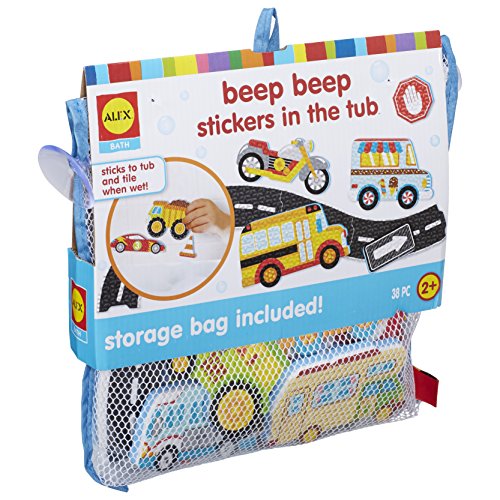


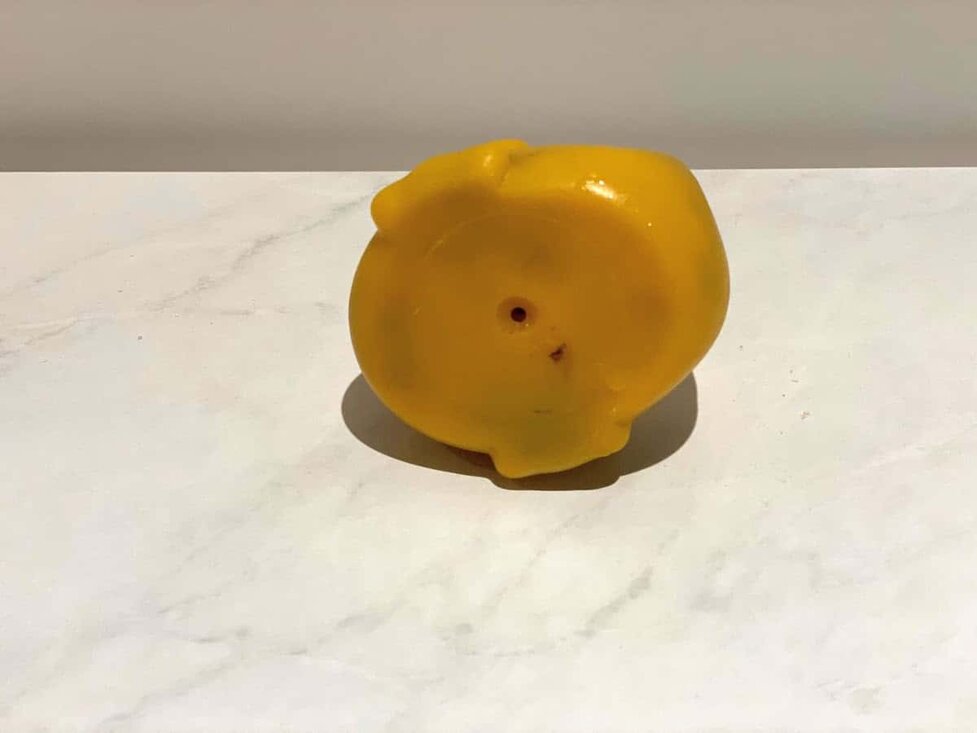
Mold on your child’s toys is more than just an eyesore—it can be a health risk for your little ones. If you’ve ever found that fuzzy, unwanted growth on your child’s favorite playthings, you know how frustrating it can be.
But don’t worry—getting rid of mold on toys doesn’t have to be complicated or risky. You’ll discover simple, effective steps to clean and protect your toys, keeping your kids safe and their playtime fun. Keep reading to learn exactly what you need to do to say goodbye to mold for good.
Causes Of Mold On Toys
Mold grows on toys when they stay wet or damp for a long time. It can cause stains and bad smells.
Toys made of certain materials and kept in humid places are more likely to get mold. Knowing the causes helps to prevent it.
Common Mold Triggers
Mold grows fast in warm, damp, and dark places. Toys left wet or stored in such places get mold easily.
- Moisture from spills or bath water
- High humidity in rooms or storage areas
- Poor air circulation around toys
- Food or dirt left on toys
- Long time without cleaning or drying
Types Of Toys Prone To Mold
Some toys get mold more often because of their materials or how kids use them. Soft and porous toys are common spots.
- Stuffed animals and plush toys
- Foam bath toys and floating toys
- Rubber or plastic toys that trap water inside
- Wooden toys that absorb moisture
- Fabric dolls and soft books
Health Risks Of Moldy Toys
Mold on toys is not just dirty. It can cause health problems for children. Toys with mold can spread spores that affect breathing and skin.
It is important to know the risks moldy toys pose. This helps keep kids safe and healthy while they play.
Allergic Reactions
Mold spores can trigger allergic reactions in children. These reactions often cause itching, redness, and swelling on the skin.
Children may also get sneezing, runny nose, or watery eyes from touching moldy toys.
- Skin rashes or hives
- Itchy or watery eyes
- Sneezing and runny nose
- Swelling or redness on contact areas
Respiratory Issues
Breathing in mold spores from toys can cause coughing and wheezing. It may worsen asthma symptoms in children.
Some kids can develop chest tightness or shortness of breath if they play with moldy toys often.
- Coughing and wheezing
- Asthma attacks or flare-ups
- Chest tightness
- Shortness of breath
Safe Cleaning Materials
Mold on toys can be harmful to children. It is important to clean toys safely. Using gentle, safe cleaning materials keeps kids healthy.
Choose cleaners that remove mold without toxic chemicals. This protects children from allergies and skin irritation.
Non-toxic Cleaners
Non-toxic cleaners clean mold without harmful ingredients. They are safe to use around children and pets.
Look for cleaners labeled as non-toxic and biodegradable. These cleaners work well on plastic and fabric toys.
- Vinegar-based sprays
- Plant-based soap solutions
- Enzyme cleaners made from natural ingredients
- Baking soda pastes for scrubbing
Household Ingredients For Cleaning
Simple household items can help remove mold from toys. These ingredients are safe and easy to find.
Mix these ingredients carefully to clean toys without damage. Always rinse toys well after cleaning.
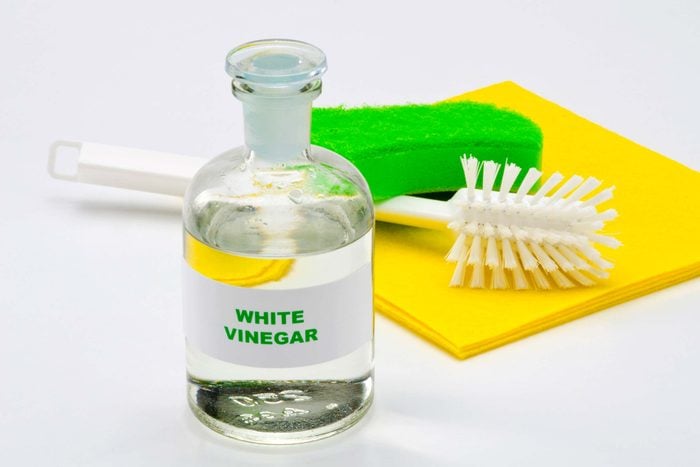
- White vinegar:Kills mold spores and cleans surfaces.
- Baking soda:Scrubs mold away and deodorizes toys.
- Lemon juice:Has natural antifungal properties and fresh smell.
- Dish soap:Removes dirt and mold from plastic toys.
- Water:Use warm water to rinse and dilute cleaners.
Credit: www.rd.com
Step-by-step Cleaning Methods
Mold on toys can be harmful to children. Cleaning toys properly removes mold safely. Follow these steps to clean toys and keep them safe.
Different toys need different cleaning ways. Use the right method for the type of toy to get rid of mold well.
Surface Cleaning
For hard plastic or metal toys, surface cleaning works best. It removes mold from the outside without soaking the toy.
Use a cloth or sponge with soap and water. Wipe the toy gently to clean all mold spots.
- Mix warm water with mild dish soap
- Use a soft cloth or sponge
- Wipe all moldy areas carefully
- Rinse with clean water
- Dry with a clean towel
Deep Cleaning For Porous Toys
Porous toys like stuffed animals hold mold inside. Deep cleaning removes mold from inside the toy.
Use a mix of water and white vinegar or baking soda. Soak or scrub the toy depending on its care label.
- Mix one part white vinegar with three parts water
- Or sprinkle baking soda on the moldy spot
- Let it sit for 10-15 minutes
- Gently scrub with a soft brush
- Rinse or wipe off the cleaning solution
- Check the toy’s label for washing instructions
- Wash in a washing machine if safe
Drying Techniques
Drying toys well stops mold from growing again. Use air drying or towels to dry toys completely.
Keep toys in a dry, sunny place. Avoid damp or dark spots to prevent mold return.
- Use clean towels to pat toys dry
- Air dry toys in sunlight if possible
- For stuffed toys, use a fan to speed drying
- Do not store toys until fully dry
Preventing Mold Growth
Mold grows on toys if they stay wet or in damp places. It can cause health problems for children.
Stopping mold early keeps toys safe and clean for playtime.
Proper Storage Tips
Store toys in dry, cool places to avoid mold growth. Avoid basements or areas with high humidity.
Use containers that allow air to flow. Avoid sealed plastic bags that trap moisture inside.
- Keep toys out of direct sunlight to prevent fading and damage
- Use shelves or bins with ventilation holes
- Dry toys completely before storing them
- Store soft toys separately from hard toys to help air flow
Regular Maintenance
Check toys often for any signs of mold or dampness. Clean them quickly to stop mold from spreading.
Wipe toys with a cloth and mild soap. Let them dry fully before returning to storage.
- Wash soft toys regularly according to label instructions
- Air out toys outside on dry days
- Throw away toys that show heavy mold damage
- Use a dry cloth to remove dust and dirt
Credit: www.rd.com
When To Dispose Of Moldy Toys
Mold on toys can be harmful to health, especially for children. It is important to know when you should throw away toys instead of cleaning them.
Some toys can be cleaned safely, but others with mold may not be safe to keep. This guide helps you decide when to dispose of moldy toys.
Signs Of Irreparable Mold
Some mold on toys cannot be removed, and the toy becomes unsafe to use. Look for these signs to know if a toy is beyond saving.
If you see any of these signs, it is better to get rid of the toy to protect your child’s health.
- Mold deeply soaked into soft or porous materials
- Strong mold smell that does not go away after cleaning
- Visible damage or discoloration caused by mold
- Cracks or breaks in the toy where mold hides
- Repeated mold growth after several cleanings
Safe Disposal Methods
Throwing away moldy toys safely helps stop mold spores from spreading. It also protects the environment and your home.
Follow these tips to dispose of moldy toys in a safe and responsible way.
- Place the moldy toy in a sealed plastic bag to contain spores
- Do not try to clean or break the toy further before disposal
- Dispose of the sealed bag with regular trash, if allowed by local rules
- Check if your area has special disposal guidelines for moldy items
- Wash your hands thoroughly after handling moldy toys
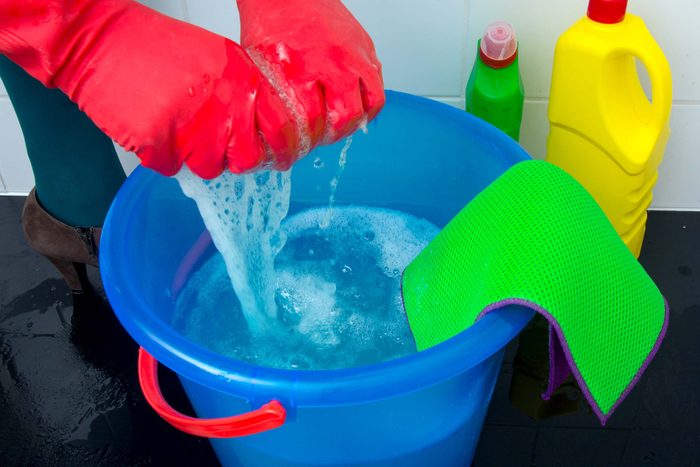
Credit: www.rd.com
Frequently Asked Questions
How Can I Safely Clean Mold From Plastic Toys?
Use a mixture of white vinegar and water to clean plastic toys. Soak a cloth in the solution, wipe the toys, then rinse with clean water. Dry toys thoroughly to prevent mold from returning. Avoid harsh chemicals that can damage the toy or harm children.
Is Baking Soda Effective Against Mold On Toys?
Yes, baking soda effectively removes mold from toys. Make a paste with baking soda and water, apply it to the moldy areas, scrub gently, then rinse. Baking soda also helps absorb moisture, preventing future mold growth on toys.
Can Sunlight Kill Mold On Children’s Toys?
Sunlight can kill mold due to UV rays. Place toys in direct sunlight for several hours to reduce mold spores. However, some toys may fade or warp, so check material compatibility before sun exposure.
What Should I Avoid When Removing Mold From Toys?
Avoid using bleach on porous or fabric toys as it can cause damage and irritate skin. Do not soak electronic toys in water. Avoid harsh scrubbing that can damage the toy’s surface. Always ensure toys are fully dry after cleaning.
Conclusion
Keeping toys mold-free ensures safety and hygiene for your children. Regular cleaning prevents mold growth. Always dry toys thoroughly after washing. Store them in a dry place. Use natural cleaners for delicate toys. Vinegar and baking soda work great. Inspect toys often for mold signs.
Discard toys with stubborn mold. Remember, a clean toy means a healthy playtime. Simple steps can make a big difference. Protect your children by maintaining clean toys. Prioritize their health and happiness. With these tips, mold won’t stand a chance.
Safe play is happy play!