


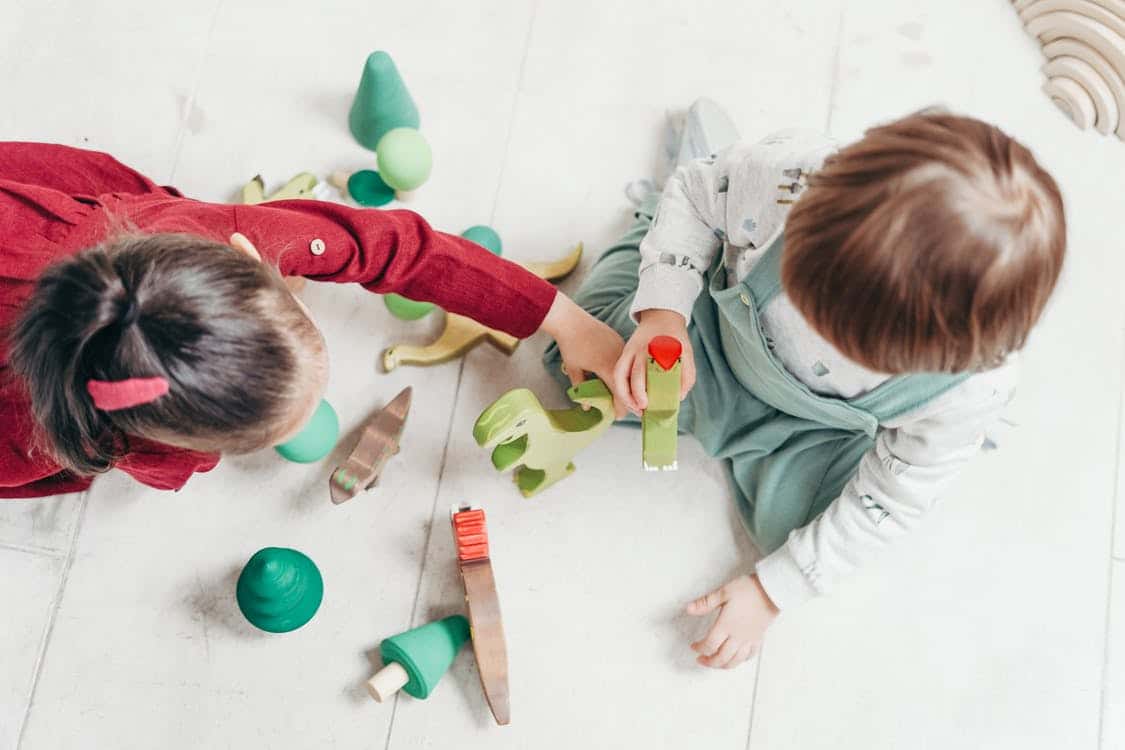
Are your kids’ toys taking over every corner of your home? You’re not alone.
Toys can quickly pile up, creating clutter that makes it hard to keep your space tidy and peaceful. But getting rid of them doesn’t have to be stressful or overwhelming. You’ll discover simple and effective ways to clear out those toys without guilt.
Imagine opening your doors to a clutter-free home where your kids still have their favorites to play with. Keep reading, and you’ll learn how to make that happen today.
Sort And Categorize Toys
Sorting and categorizing toys helps keep your home tidy. It also makes it easier to decide which toys to keep or give away.
Organizing toys into groups makes the process faster. It also helps your kids understand why some toys stay and some go.
Create Keep Pile
Put toys your kids still play with in the keep pile. These toys bring joy and are used often.
Make sure the toys in this pile are in good condition and safe to use. Store them neatly for easy access.
Create Donate Pile
Select toys that are still in good shape but no longer used. These toys can make other children happy.
Check that the toys are clean and complete. Find local charities or shelters that accept toy donations.
Create Toss Pile
Throw away toys that are broken or unsafe to play with. Old toys can cause accidents or germs.
Recycle parts if possible. Dispose of the rest properly to keep your home safe and clean.
Involve Your Kids In Sorting
Let your kids help choose which toys to keep, donate, or toss. This teaches them decision-making and sharing.
Make sorting a fun activity. Praise their choices and explain the reasons for each pile.
Credit: www.yahoo.com
Set Clear Storage Zones
Keeping your kids’ toys organized can be a challenge. Setting clear storage zones helps keep the play area neat and easy to manage.
When toys have a specific place, children learn where to find and put them back. This reduces clutter and makes cleanup faster.
Use Bins And Labels
Bins help sort toys into groups like blocks, dolls, or cars. This makes it easy for kids to know where each toy belongs.
Adding labels to bins can guide children. Use simple words or pictures if they cannot read yet.
- Clear bins show the toys inside
- Colorful bins make zones fun and easy
- Labels teach organization skills
- Stackable bins save space
Designate Play And Storage Areas
Separate play areas from storage zones. This helps kids know where to leave toys after playing.
Create a cozy play spot with rugs or mats. Keep storage bins nearby but out of the way.
- Play area for active use
- Storage area for keeping toys neat
- Clear boundaries teach good habits
- Easy cleanup with defined zones
Establish Regular Cleanup Routines
Keeping kids’ toys organized can be a challenge. Creating regular cleanup routines helps keep the mess under control.
Routines teach kids responsibility and make cleaning easier for parents. Set simple habits for daily and weekly cleanup times.
Daily Tidy-up Habits
Daily tidying helps keep toy clutter from building up. Spend a few minutes each day putting toys back in their places.
Make cleanup a fun part of the day. Encourage your kids to join and praise their efforts.
- Set a cleanup time, like before dinner or bedtime
- Use bins or shelves to sort toys by type
- Turn cleanup into a quick game or challenge
- Keep cleaning supplies like wipes nearby
- Give clear instructions on where toys belong
Weekly Decluttering Sessions
Weekly decluttering removes old or broken toys. This keeps play areas neat and safe for kids.
Involve your children in deciding which toys to keep or donate. This helps teach them to value their belongings.
- Choose a day each week for toy review
- Sort toys into keep, donate, or trash piles
- Check for broken parts and throw away damaged toys
- Organize the kept toys neatly after sorting
- Discuss with kids why decluttering is important
Donate Or Sell Unused Toys
Kids often have many toys they no longer use. Clearing out these toys helps keep your home tidy.
Donating or selling toys gives them a new life. It also helps other children enjoy them.
Find Local Charities And Shelters
Many charities accept toy donations. These organizations give toys to children in need.
Look for shelters, hospitals, or community centers nearby. They often welcome clean and safe toys.
- Contact local homeless shelters
- Check with children’s hospitals
- Visit community centers or churches
- Ask about donation guidelines
Use Online Marketplaces
Online marketplaces make selling toys easy. You can reach many buyers from your home.
Take clear photos and write honest descriptions. Set a fair price to sell quickly.
- Use apps like eBay, Facebook Marketplace, or local buy and sell groups
- Be clear about the toy’s condition
- Meet buyers in safe public places
- Respond quickly to questions
Repurpose And Recycle Creatively
Kids’ toys can pile up quickly and take a lot of space. Instead of throwing them away, you can find new uses for these toys. Repurposing and recycling toys helps reduce waste and sparks creativity at home.
Using old toys in new ways can be fun for you and your children. You can turn them into art projects or recycle broken parts safely. These ideas help keep toys out of the trash and give them a new life.
Turn Toys Into Art Projects
Old toys can become great materials for art and crafts. You can use action figures, blocks, or doll parts to create new decorations. This lets your kids enjoy their toys in a fresh way.
Try making a collage, a mobile, or even a picture frame using toy pieces. Painting or gluing toys on a canvas can create unique art. This activity also helps improve kids’ motor skills and imagination.
- Glue small toy pieces on a wooden board to make a frame
- Use building blocks to create colorful mosaics
- Paint old toy cars and turn them into fridge magnets
- Make a mobile by hanging lightweight toys with strings
Recycle Broken Or Unusable Items
Broken toys should not be thrown in the trash if possible. Many parts can be recycled depending on their material. Sorting toys by plastic, metal, or wood helps with recycling programs.
Check local recycling rules to know which toys you can drop off. Some places accept electronic toy parts separately. Recycling toys keeps harmful materials out of landfills and helps the environment.
- Separate plastic, metal, and electronic parts
- Remove batteries before recycling electronic toys
- Find local recycling centers that accept toy materials
- Donate toys in good condition instead of recycling

Credit: www.youtube.com
Limit New Toy Intake
Kids often get many new toys. This can create clutter and make it hard to keep things tidy.
Limiting the number of new toys helps keep their play area clean and organized. It also teaches children to appreciate what they have.
Set Gift Guidelines
Talk to family and friends about gift limits for your kids. Ask them to give fewer toys or none at all.
Set clear rules about the types of toys that are okay. This helps avoid duplicates and unwanted items.
- Suggest only educational or practical toys
- Request gifts that replace old toys
- Limit the number of toys received per occasion
Encourage Experience-based Gifts
Choose gifts that create memories instead of more toys. Experiences can be fun and meaningful for kids.
These gifts teach new skills and build family bonds. They also reduce clutter in the home.
- Tickets to a zoo or museum visit
- Classes like art, music, or sports
- Family trips or outings
Maintain A Minimalist Mindset
Getting rid of kids’ toys can feel hard. Kids often have many toys, and parents want to keep them happy.
Keeping a minimalist mindset means focusing on what truly matters. It helps create a calm, organized home.
Focus On Quality Over Quantity
Choose fewer toys that last longer and offer more fun. Quality toys often teach skills and creativity.
Too many toys can overwhelm kids and make playtime less special. Quality toys hold their child’s interest.
- Pick toys made from safe, durable materials
- Select toys that encourage imagination and learning
- Avoid cheap toys that break quickly
- Rotate toys to keep playtime fresh
Teach Kids About Clutter
Help kids understand why it is good to have less clutter. Explain how fewer toys make it easier to find favorites.
Involve kids in sorting toys. Let them decide what to keep, donate, or throw away.
- Set clear rules about how many toys to keep
- Use donation as a way to help others
- Make cleaning up a daily habit
- Celebrate when kids let go of unused toys

Credit: www.reddit.com
Frequently Asked Questions
How Can I Safely Declutter My Kids’ Toys?
Start by sorting toys into keep, donate, and discard piles. Involve your child to teach decision-making. Use storage bins for organization. Regularly review toys to prevent clutter buildup.
What Are The Best Ways To Donate Old Kids’ Toys?
Choose local charities, shelters, or daycare centers accepting toy donations. Ensure toys are clean and in good condition. Avoid broken or incomplete items. Check donation guidelines before dropping off.
How Do I Decide Which Toys To Keep Or Toss?
Keep toys your child uses frequently or has sentimental value. Toss broken, unsafe, or unused toys. Rotate toys to maintain interest. Involve your child for smoother decisions.
Can Selling Kids’ Toys Be A Good Option?
Yes, selling toys online or at garage sales can earn money. Clean and repair toys for better value. Use popular platforms like eBay or Facebook Marketplace. Price reasonably for quick sales.
Conclusion
Sorting kids’ toys can be a simple task. Start by organizing them. Donate the toys your kids no longer use. This helps reduce clutter. Selling toys is another option. It can provide extra cash. Consider recycling broken toys. This is good for the environment.
Involve your kids in the process. It teaches them responsibility. A tidy space brings peace to your home. Your kids will have more room to play. A well-organized space is easier to clean. Enjoy a clutter-free, happy home.