


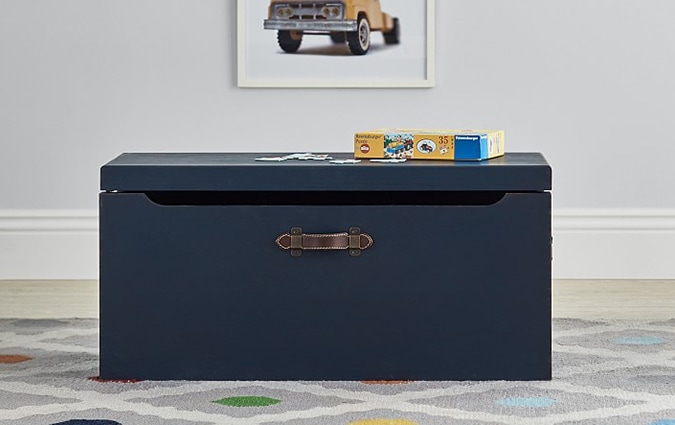
Your child’s toy chest is a treasure trove of fun, but it can also hide unseen dangers. Have you ever worried about your little one getting hurt while playing or exploring?
Making your toy chest safe is easier than you think, and it can give you peace of mind every time your child plays. You’ll discover simple, practical steps to protect your child from common risks like pinched fingers, sharp edges, and heavy lids.
Keep reading to learn how to turn your toy chest into a safe, worry-free space for your child’s imagination to run wild.
Choosing Safe Materials
Choosing safe materials is key to making a toy chest secure for children. The right materials prevent health risks and physical injuries. Focus on non-toxic options and sturdy wood to ensure durability and safety.
Non-toxic Paints And Finishes
Use paints and finishes labeled non-toxic. These products do not release harmful chemicals. They keep the air around the toy chest safe to breathe. Look for water-based paints with low or zero VOCs (volatile organic compounds).
Check product labels for child-safe certifications. Avoid paints with lead, solvents, or strong odors. Apply multiple thin coats instead of one thick layer. This reduces the chance of peeling or chipping over time.
Sturdy And Smooth Wood Options
Choose wood that is strong and free of splinters. Hardwoods like maple, oak, or birch are durable choices. Softwoods like pine can work if properly sanded and sealed.
Sand all surfaces to make them smooth and safe to touch. Round off sharp edges and corners. This lowers the risk of cuts and scrapes during play.
Avoid particleboard or MDF that may contain harmful adhesives. Solid wood resists damage better and lasts longer. Treat wood with a safe sealant to protect against moisture and wear.

Credit: apexstone.co
Securing The Lid
Securing the lid of your toy chest is crucial to keep little fingers safe and prevent accidental injuries. A heavy or quickly closing lid can be dangerous, so adding safety features helps protect your child while still allowing easy access to toys. Let’s look at some effective ways to secure the lid for both safety and convenience.
Soft-close Hinges
Soft-close hinges slow down the closing motion of the lid, preventing it from slamming shut. This reduces the risk of pinched fingers and loud noises that can startle children. Installing these hinges is straightforward and often requires just a few screws.
Many parents find soft-close hinges worth the investment because they add peace of mind without changing how the toy chest looks or functions. You can still open the lid fully and close it gently with minimal effort.
Lid Supports And Safety Straps
Lid supports hold the chest lid open at a fixed angle, stopping it from falling suddenly. These supports are especially useful if your toy chest is tall or heavy. Alongside supports, safety straps add an extra layer of protection by limiting how far the lid can open or close.
You can easily attach safety straps inside the chest using screws or adhesive pads. They are an affordable option that prevents the lid from slamming and keeps it stable while your child reaches inside. Have you checked if your toy chest’s lid can stay open on its own? Adding these supports might be the simple fix you need.
Preventing Sharp Edges
Preventing sharp edges on a toy chest is essential for child safety. Sharp corners and edges can cause cuts and bruises. Creating a smooth, safe surface helps protect children during playtime. Simple adjustments can make a big difference in reducing risks.
Rounding Corners
Rounding the corners of a toy chest softens hard edges. Use sandpaper or a sanding block to gently smooth sharp corners. Focus on all corners, especially those at child height. Rounded edges reduce the chance of injury from accidental bumps. This process takes little time but greatly improves safety.
Using Edge Guards
Edge guards are protective covers that fit over sharp edges. They come in soft materials like foam or rubber. Choose edge guards that fit securely and stay in place. Attach them to all exposed edges and corners. Edge guards add a cushioned barrier, preventing cuts and bumps. They are easy to install and replace as needed.

Credit: lazermax.lv
Ensuring Stability
Ensuring the stability of a toy chest is crucial for creating a safe play environment. An unstable chest can tip over easily, posing a risk to children. Focusing on stability helps prevent accidents and gives you peace of mind about your child’s safety.
Anchoring To Walls
Anchoring your toy chest to the wall is one of the most effective ways to boost stability. You can use simple brackets or straps to secure the chest, which stops it from tipping forward if a child climbs on it or pulls the lid.
Before anchoring, check the wall type—drywall, plaster, or concrete—to choose the right anchors. This small step can make a big difference in safety. Have you checked if your toy chest is firmly attached to the wall yet?
Wide Base Design
A toy chest with a wide base naturally resists tipping. When shopping or building, look for or create a chest that spreads its weight over a larger area. This design feature makes it harder for the chest to wobble or fall.
If your chest has a narrow base, consider adding wider feet or a sturdy platform underneath. This simple adjustment can increase stability without major changes. How stable does your toy chest feel when you give it a gentle push?
Safe Storage Practices
Secure the toy chest by adding safety hinges to prevent lid slamming. Keep it stable and away from sharp edges to avoid accidents. Regularly check for loose parts to ensure safe storage for children’s toys.
Safe storage practices keep your child’s toy chest secure and organized. A well-organized toy chest reduces clutter and prevents accidents. By following these practices, you ensure a safe play environment.
Organizing Toys By Size
Sort toys based on their size for better organization. Place larger toys at the bottom of the toy chest. This creates a stable base and prevents smaller items from getting buried. Arrange medium-sized toys in the middle section. Keep small toys on top for easy access. Use separate bins or containers for tiny items. Label these containers for quick identification. This method prevents toys from becoming a jumbled mess.
Avoiding Overloading
Avoid overloading the toy chest to maintain safety. An overloaded chest can tip over, posing a danger. Ensure the chest has enough space for each toy. This prevents toys from spilling out when opened. Check the weight limit specified by the manufacturer. Stick to this limit to prevent accidents. Regularly rotate toys to reduce the number stored at one time. This keeps the chest manageable and safe.
Regular Maintenance
Regular maintenance keeps a toy chest safe and long-lasting. It helps prevent accidents and damage. Small problems can turn into big issues without care. Checking the toy chest often protects your child and belongings.
Inspecting For Damage
Look closely at the toy chest for cracks or splits. Check the wood or material for wear or sharp edges. Watch for loose or missing parts that could cause harm. Damage can weaken the chest and create hazards. Fix any problems found right away.
Tightening Hardware
Check screws, bolts, and hinges regularly. Loose hardware makes the chest unstable and unsafe. Use a screwdriver or wrench to tighten all parts firmly. Pay special attention to the lid’s hinges and any locking mechanisms. Properly tightened hardware keeps the chest strong and secure.

Credit: apexstone.co
Frequently Asked Questions
How To Prevent Toy Chest Lid Injuries?
Install a slow-closing hinge or lid support. This prevents the lid from slamming shut. It keeps children’s fingers safe and reduces accidents.
What Materials Make A Toy Chest Safe?
Use smooth, non-toxic wood or plastic. Avoid sharp edges and splinters. Ensure all finishes are child-safe and free of harmful chemicals.
How To Secure A Toy Chest To Avoid Tipping?
Anchor the toy chest to the wall using brackets. This prevents it from tipping over when children climb or pull on it.
Should A Toy Chest Have Ventilation Holes?
Yes, ventilation holes prevent mold and odors inside the chest. They allow air circulation, keeping toys fresh and safe for kids.
Conclusion
Keeping a toy chest safe protects children from harm. Simple steps like adding soft hinges and secure locks help a lot. Always check the chest regularly for damage or loose parts. Teach kids how to use the chest safely too.
A safe toy chest makes playtime worry-free for parents and kids. Safety is easy when you pay attention to small details. Start today to create a safer space for your children’s toys. Safety first, always.