


Are you looking for a fun and safe way to create toys that will spark your baby’s imagination? Making wooden block toys for babies is easier than you think, and it’s a great way to give your little one a toy made with love and care.
Imagine your baby stacking, building, and exploring with colorful, smooth blocks that you crafted yourself. You’ll discover simple steps and tips to make wooden blocks that are not only safe but also perfect for your baby’s tiny hands. Keep reading, and start creating something special today!
Choosing The Right Wood
Choosing the right wood is very important for making safe toys. The wood must be strong and safe for babies to use.
You want wood that is smooth and free from harmful chemicals. This helps keep babies safe while they play.
Safe Wood Types
Some woods are better for baby toys because they do not cause allergies or splinters. Always pick non-toxic wood.
Hardwoods are often safer because they are less likely to break or splinter during play.
- Maple is strong and smooth
- Birch is light and safe
- Ash is durable and non-toxic
- Beech is fine-grained and safe
- Cherry is hard and smooth
Wood Quality And Texture
Look for wood with a fine, even texture. This makes the surface smooth and safe for babies.
Avoid wood with knots or cracks. These can cause splinters or make the toy weak.
- Choose wood that is free of cracks and knots
- Sand the wood well to make it smooth
- Pick wood that is dry to avoid warping
- Check for even color and grain
Credit: www.tickit.eu
Gathering Tools And Materials
Making wooden block toys for babies is a fun and simple project. You need the right tools and materials to create safe and smooth toys.
Start by collecting everything before you begin. This helps keep your work organized and safe for babies.
Essential Tools
Basic tools help you cut and shape wood into blocks. You do not need expensive equipment to start.
- Hand saw or small power saw for cutting wood
- Sandpaper or sanding block to smooth edges
- Measuring tape or ruler for accurate sizes
- Pencil for marking cut lines
- Clamps to hold wood steady while working
Finishing Supplies
Finishing supplies protect the wood and keep toys safe for babies to chew on. Use non-toxic and baby-safe products.
- Food-grade mineral oil or beeswax for sealing wood
- Non-toxic wood stain or paint if you want colors
- Clean cloths for applying finishes
- Small brush for painting or staining
Designing Simple Block Shapes
Making wooden block toys for babies starts with simple shapes. Simple blocks are easy for babies to hold and stack.
Good designs keep babies safe and help them learn while playing.
Size And Shape Considerations
Blocks should be big enough to avoid choking hazards. They need smooth edges and no sharp corners.
Shapes like squares, rectangles, and circles work best. Babies can easily grab and stack these shapes.
- Keep blocks larger than 1.5 inches in any direction
- Use rounded edges to protect tiny hands
- Choose basic shapes for easy stacking
- Avoid small parts that can break off
Sketching Your Designs
Start by drawing your block shapes on paper. Sketching helps you plan size and shape before cutting wood.
Use a ruler to keep shapes even. Mark edges and corners to see how smooth they should be.
- Draw each block shape from different angles
- Label the dimensions clearly
- Plan the edges to be rounded or flat
- Check your design for safety and ease of use

Credit: www.amazon.ca
Cutting And Shaping The Blocks
Making wooden block toys for babies starts with cutting and shaping the wood. This step helps create safe, fun blocks for little hands.
Proper cutting and shaping ensure the blocks fit well together and have no sharp edges that can hurt babies.
Cutting Techniques
Use a saw to cut wooden pieces into block shapes. A handsaw or a small power saw works well for this task.
Cut blocks with straight, even lines to keep the shapes simple. Measure twice and cut once to avoid mistakes.
- Mark the wood with a pencil before cutting
- Use clamps to hold wood steady
- Cut slowly to keep edges clean
- Wear safety glasses and gloves
Sanding For Smooth Edges
Sanding removes rough spots and splinters from the blocks. This step makes blocks safe for babies to handle.
Use sandpaper with fine grit to smooth all surfaces and edges. Sand gently until the wood feels soft to touch.
- Start with medium-grit sandpaper (120-150 grit)
- Finish with fine-grit sandpaper (220 grit or higher)
- Sand all sides and corners evenly
- Wipe blocks clean after sanding
Painting And Decorating
Painting and decorating wooden block toys adds fun and color. It helps make the toys more interesting for babies.
Using safe materials is very important. Choose paints and decorations that do not harm babies.
Choosing Non-toxic Paints
Non-toxic paints are safe for babies to touch and sometimes put in their mouths. Look for water-based paints labeled as non-toxic.
These paints dry quickly and do not have strong smells. Avoid paints with lead or harmful chemicals.
- Use water-based acrylic or tempera paints
- Check for certification like ASTM D-4236
- Avoid spray paints and oil-based paints
- Test paint on a small block before painting all
Creative Decoration Ideas
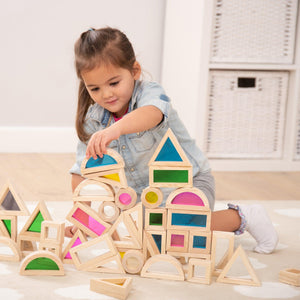
Decorate blocks with simple shapes like stars, circles, and animals. Use bright colors to catch the baby’s eye.
Add texture by gluing soft felt or using safe stickers. This helps babies explore with their hands.
- Paint different colors on each side of the block
- Draw letters or numbers for early learning
- Use sponges to create patterns
- Attach small wooden shapes with glue

Credit: ahnature.en.made-in-china.com
Ensuring Safety For Babies
Wooden block toys can help babies learn and grow. Safety is very important when making these toys.
Using safe materials and designs protects babies from harm. Careful steps keep toys safe and fun.
Avoiding Small Parts
Small parts can be a choking hazard for babies. Make sure blocks are big enough to prevent swallowing.
Avoid loose pieces like small screws or decorations. Use smooth, solid wood blocks without detachable parts.
- Make blocks larger than 1.5 inches in diameter
- Do not use small nails or screws
- Use non-toxic paint that does not chip
- Check for any loose parts before giving to babies
Testing For Durability
Durable blocks do not break easily. Broken pieces can cause sharp edges or small parts.
Test each block by pressing and dropping it. Blocks should stay whole and smooth after use.
- Drop blocks from different heights to check strength
- Press edges and corners to ensure no cracks
- Smooth all surfaces to avoid splinters
- Replace any blocks that show damage
Maintaining Wooden Block Toys
Wooden block toys need care to stay safe and last long. Keeping them clean and stored well helps prevent damage.
Good maintenance makes sure babies can enjoy the toys without risk. It also keeps the wood smooth and strong.
Cleaning Tips
Clean wooden blocks regularly to remove dirt and germs. Use gentle methods that do not harm the wood.
Wipe blocks with a damp cloth and mild soap. Avoid soaking them in water to stop wood from swelling.
- Use a soft cloth or sponge for cleaning
- Dry blocks completely with a towel
- Use natural oils to keep wood smooth
- Check for cracks or splinters after cleaning
Storage Suggestions
Store wooden blocks in a dry place to avoid moisture damage. Keep them away from direct sunlight to prevent fading.
Use a box or basket that lets air flow. Organize blocks by size or shape to make playtime easy and fun.
- Choose a breathable container
- Keep blocks off the floor to avoid dirt
- Store in a cool, dry spot
- Check storage area regularly for pests
Frequently Asked Questions
What Materials Are Safest For Baby Wooden Block Toys?
Choose untreated, non-toxic wood like maple or beech. Avoid painted or varnished blocks with harmful chemicals. Sand edges smoothly to prevent splinters. Use natural, baby-safe finishes such as beeswax or food-grade oils for added protection.
How Do I Make Wooden Blocks Baby-friendly?
Ensure all edges are rounded and smooth to avoid injury. Use non-toxic, hypoallergenic finishes. Keep block sizes large enough to prevent choking hazards. Avoid small detachable parts and sharp corners for safe play.
What Tools Are Needed To Make Wooden Blocks?
Basic tools include a saw for cutting, sandpaper or a sanding block for smoothing, and a measuring tape. Optionally, use a drill for holes and natural oil or beeswax for finishing. Safety gear like gloves and goggles is recommended.
How Can I Personalize Wooden Blocks For Babies?
Use baby-safe paints or wood burning tools to add letters, numbers, or shapes. Personalize with the child’s name or simple designs. Ensure all decorations are durable and non-toxic to keep the blocks safe and engaging.
Conclusion
Making wooden block toys for babies is simple and fun. Use safe, smooth wood and non-toxic paint. Let your creativity guide the shapes and colors. These toys help babies learn and grow through play. Handmade blocks bring joy and a personal touch.
Enjoy crafting something special for your little one today.