


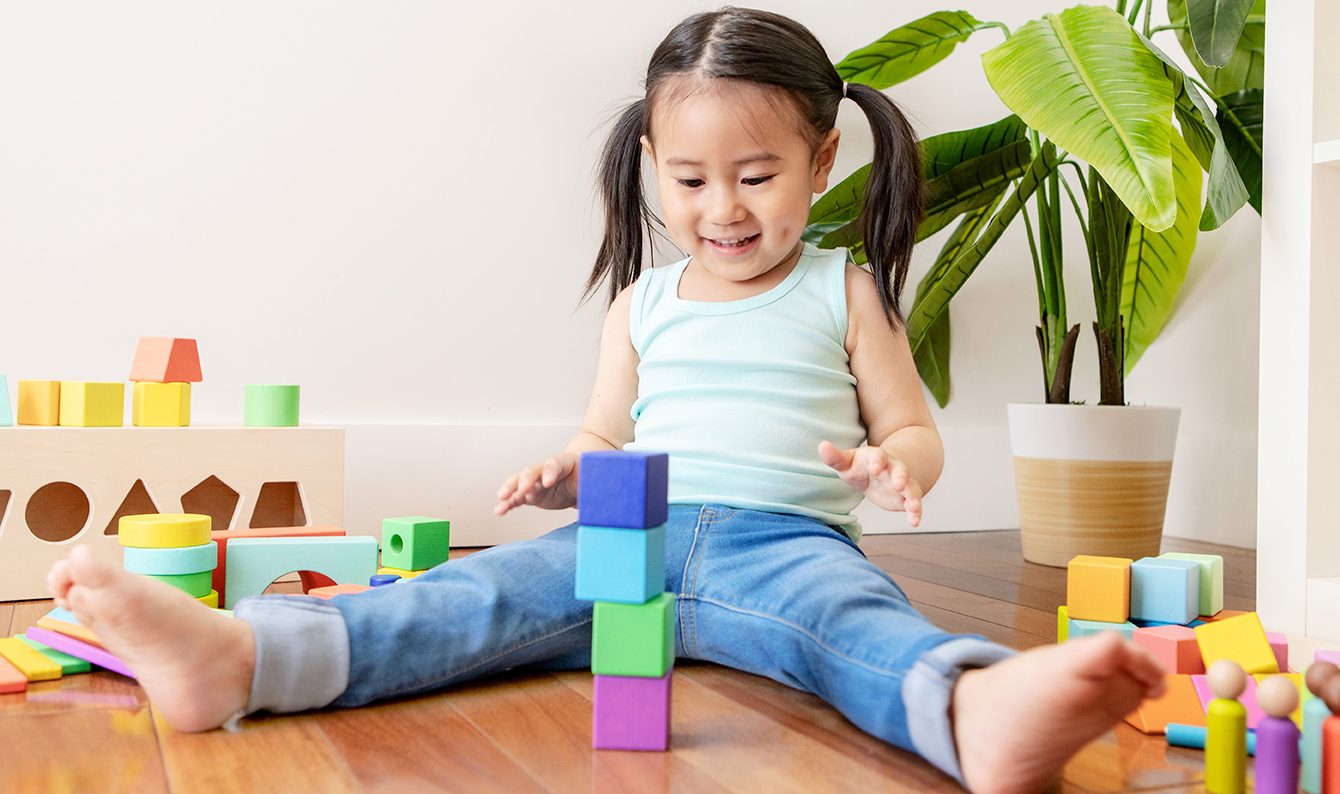
Are you looking for a fun and safe way to create toys your baby will love? Making wooden block toys is a simple and rewarding project you can do at home.
Not only will these blocks spark your child’s imagination, but they’re also durable and non-toxic—perfect for little hands. In this guide, you’ll discover easy steps to craft beautiful wooden blocks that encourage learning and play. Keep reading to find out how you can make these timeless toys yourself, and watch your baby’s eyes light up with joy!

Credit: www.amazon.com
Choosing The Right Wood
Making wooden block toys for your baby is fun and rewarding. Choosing the right wood is important for safety and durability.
Wood should be smooth, strong, and safe for babies to chew and play with.
Safe Wood Types For Babies
Some woods are better for baby toys because they are non-toxic and hard enough to avoid splinters. Use woods that are gentle on baby’s skin.
- Maple: Strong and smooth, it is a safe choice for toys.
- Birch: Hard wood with a fine grain, good for blocks.
- Alder: Soft yet durable, safe for babies to handle.
- Beech: Dense and smooth, it sands well for toys.
- Cherry: Has a nice color and is safe for children.
Sourcing Quality Wood
Find wood that is clean and free of chemicals. Avoid wood with paint or stains that may harm babies.
Look for wood from trusted suppliers or hardwood stores. Check the wood for knots or cracks before use.
- Buy untreated, natural wood only.
- Choose wood with a smooth surface.
- Inspect wood for any defects.
- Ask suppliers if the wood is safe for children’s products.
Credit: growinglittlebrains.com
Essential Tools And Materials
Making wooden block toys for your baby is a fun and safe project. You need the right tools and materials to create smooth and safe toys.
This guide covers the basic woodworking tools and safe finishes you should use for your baby’s toys.
Basic Woodworking Tools
Start with simple tools to shape and smooth the wood. These tools help you cut the wood into blocks and make sure the edges are safe.
- Hand saw or small power saw for cutting wood
- Sandpaper or sanding block to smooth edges
- Measuring tape or ruler for accurate sizes
- Pencil to mark cutting lines
- Clamps to hold wood steady while working
- Wood file for detailed shaping
Non-toxic Finishes And Paints
Using safe finishes is important to protect your baby’s health. Non-toxic paints and finishes keep toys safe if babies put blocks in their mouths.
Look for products that are labeled non-toxic and safe for children. These finishes also protect the wood from moisture and wear.
- Water-based, non-toxic paint
- Beeswax or natural oil finishes
- Non-toxic wood sealants
- Avoid finishes with strong chemicals or fumes
Designing Your Wooden Blocks
Designing wooden blocks for your baby means thinking about shapes, sizes, and patterns. These choices make the blocks safe and fun to play with.
Good design helps your baby learn while playing. It also makes the blocks easy to hold and stack.
Selecting Shapes And Sizes
Choose shapes that are easy for babies to grab and hold. Round edges keep the blocks safe. Avoid small parts that can be swallowed.
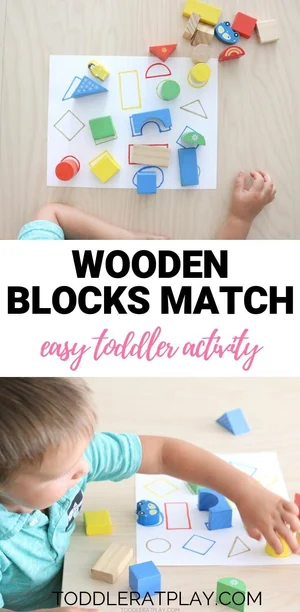
Use different sizes to help your baby learn about big and small. Mix simple shapes like squares, circles, and triangles.
- Square blocks for stacking
- Round blocks for easy holding
- Triangle blocks to add variety
- Different sizes from small to large
Creating Simple Patterns
Simple patterns catch your baby’s attention and help with learning. Use stripes, dots, or basic shapes on the blocks.
Keep patterns clear and not too busy. This helps babies focus on each block and recognize differences.
- Use two or three colors per block
- Paint stripes or dots on flat surfaces
- Repeat patterns to build recognition
- Use non-toxic paint safe for babies
Cutting And Shaping Blocks
Making wooden block toys starts with cutting and shaping the wood pieces. It is important to work carefully to keep the blocks safe for babies.
Proper cutting and shaping give the blocks a smooth finish and the right size. This helps babies play safely and enjoy their toys.
Measuring And Marking
Measure your wood carefully before cutting. Use a ruler or tape measure to get the right size for each block.
Mark lines clearly with a pencil. Straight and clear marks help make clean cuts without mistakes.
- Use a ruler or square for straight lines
- Mark each block to the size you want
- Double-check measurements before cutting
Safe Cutting Techniques
Use the right saw for cutting wooden blocks. A small handsaw or a jigsaw works well for beginners.
Cut slowly and follow your marked lines. Keep fingers away from the saw blade to avoid injury.
- Wear safety glasses to protect your eyes
- Secure the wood piece with clamps or a vise
- Keep your hands clear of the cutting path
- Use smooth, steady motions while cutting
Sanding For Smooth Edges
Sand each block to remove rough edges and splinters. Smooth surfaces keep the blocks safe for babies to touch and mouth.
Start with coarse sandpaper, then use finer grit to make the wood very smooth. Check every side of the block carefully.
- Use 80-grit sandpaper first to shape edges
- Finish with 150- or 220-grit for smoothness
- Sand corners to make them round and soft
- Wipe dust off blocks before finishing
Adding Colors And Finishes
Wooden block toys become more fun with colors and smooth finishes. Adding paint and finishes also protects the wood.
It is important to use safe materials for babies. The colors and finishes should not harm them if they put blocks in their mouth.
Choosing Baby-safe Paints
Pick paints that are labeled safe for children. These paints do not have harmful chemicals or strong smells.
Water-based paints are a good choice. They dry fast and clean easily with water.
- Look for non-toxic, lead-free, and odorless paints
- Avoid paints with heavy metals or solvents
- Test a small painted area for peeling or chipping
- Use bright, attractive colors to engage your baby
Applying Finishes Safely
Finishes protect the paint and wood from wear. Use finishes that are safe for babies to touch and chew.
Natural oils and waxes are gentle and safe options. Avoid finishes with strong chemicals or fumes.
- Choose food-grade mineral oil or beeswax
- Apply thin layers for a smooth feel
- Allow the finish to dry completely before use
- Check for any sticky or rough spots after drying
Assembling And Packaging
Making wooden block toys for your baby takes care and attention. Assembling and packaging are key parts. They keep the toys safe and fun to use.
Good assembly makes sure the blocks last long. Thoughtful packaging keeps the toys clean and ready to play.
Ensuring Safety And Durability
Check all wooden blocks for smooth edges. Sand down any rough spots to avoid splinters. Use non-toxic paint or finish to keep babies safe.
Join the blocks tightly using safe glue or wood joints. Loose parts can be dangerous and break easily. Test each block for strength before packaging.
- Smooth all edges and corners well
- Use child-safe, non-toxic materials
- Secure parts with strong, safe glue
- Check blocks for loose pieces
- Test durability by gentle pressure
Creative Packaging Ideas
Use simple boxes with soft padding to protect the blocks. Natural materials like cotton or felt work well inside the package. This adds a gentle touch for babies.
Label the package clearly with the toy’s age range and safety instructions. Add fun drawings or pictures to make it look friendly. Reusable bags or boxes help keep the blocks tidy after play.
- Choose sturdy, eco-friendly boxes
- Add soft padding inside the box
- Include clear safety and age labels
- Decorate with simple baby-friendly art
- Offer reusable storage options
Tips For Maintaining Wooden Toys
Wooden block toys last longer with proper care. Keeping them clean and fixing damage helps your baby play safely.
Simple maintenance can keep wooden toys looking good and safe for years.
Cleaning And Care
Clean wooden blocks regularly to remove dirt and germs. Use a soft cloth and mild soap with water.
Avoid soaking blocks in water. Dry them well to stop wood from swelling or cracking.
- Wipe blocks with damp cloth and mild soap
- Do not use harsh chemicals or bleach
- Dry blocks fully before storage
- Store in a dry place away from direct sunlight
Repairing Damaged Blocks
Check wooden blocks often for cracks or splinters. Fix small damage to keep toys safe.
Sand rough edges gently with fine sandpaper. Use non-toxic wood glue to fix cracks.
- Inspect blocks regularly for damage
- Sand splinters or rough spots carefully
- Use child-safe glue for cracks
- Discard blocks that are broken beyond repair
Credit: www.habausa.com
Frequently Asked Questions
What Materials Are Safe For Making Wooden Block Toys?
Use non-toxic, untreated wood like maple or birch for baby toys. Avoid toxic paints or finishes. Sand blocks smooth to prevent splinters. Choose child-safe, water-based sealants if finishing the blocks. Safety ensures your baby’s health and enjoyment.
How Do I Ensure Wooden Blocks Are Baby-friendly?
Ensure blocks have smooth edges and no small parts. Use non-toxic finishes and avoid sharp corners. Test blocks for durability and size to prevent choking hazards. Baby-friendly blocks promote safe, fun play and development.
What Tools Are Needed To Make Wooden Block Toys?
Basic tools include a saw, sandpaper, measuring tape, and clamps. Optionally, use a drill for holes or painting supplies for decoration. Simple tools help create safe, well-crafted blocks for babies.
How Can Wooden Block Toys Benefit My Baby’s Development?
Wooden blocks enhance motor skills, hand-eye coordination, and creativity. They encourage problem-solving and spatial awareness through play. Natural texture and weight improve sensory experiences. Blocks support cognitive and physical growth effectively.
Conclusion
Making wooden block toys is fun and rewarding. You create safe, simple toys your baby will love. Choose smooth wood and child-safe paint to protect your little one. Let your creativity guide you while building blocks step by step. These toys help your baby learn and grow.
They encourage imagination, motor skills, and hand-eye coordination. Enjoy the process and share special moments with your child. Wooden block toys bring joy and lasting memories to any home. Give it a try and watch your baby play happily.