


Are you trying to find the perfect spot for your toy chest but aren’t sure how to measure it correctly? Knowing the exact width, length, and height of your toy chest is key to making sure it fits perfectly in your space.
If you measure wrong, you could end up with a chest that’s too big or too small—wasting time and money. In this guide, you’ll learn simple, step-by-step methods to measure your toy chest accurately. By the end, you’ll feel confident that your toy chest fits just right, making your room look organized and neat.
Keep reading to discover how easy it is to get the measurements right the first time.
Choosing The Right Tools
Choosing the right tools for measuring your toy chest’s width, length, and height makes the entire process smooth and accurate. Using improper tools can lead to mistakes that affect your storage plans or furniture fit. It’s worth investing a bit of time in picking tools that suit your space and your measuring style.
Tape Measure Tips
A tape measure is the most common tool for measuring furniture, but knowing how to use it well matters. Always pull the tape tight but not stretched to avoid inaccurate readings.
Look for a tape with a locking mechanism to keep the tape in place when measuring longer lengths. This helps you get hands-free stability and more precise numbers.
Try starting your measurement from the edge of the tape itself, not the metal hook, unless your tape has a zero mark on the hook. This small detail can save you from common measurement errors.
Alternative Measuring Tools
If a tape measure isn’t available or practical, there are other options you can try. A folding ruler works well in tight spaces where a tape might bend or be hard to handle.
Laser distance measurers offer quick, accurate readings, especially when measuring large toy chests or if you want a digital readout. Many models fit in your pocket and give instant results.
Don’t forget a simple yardstick or meter stick if you’re measuring smaller toy chests. It’s less flexible but offers a rigid, straightforward way to measure height or width.
Credit: canaansitefurnishings.com
Measuring The Width
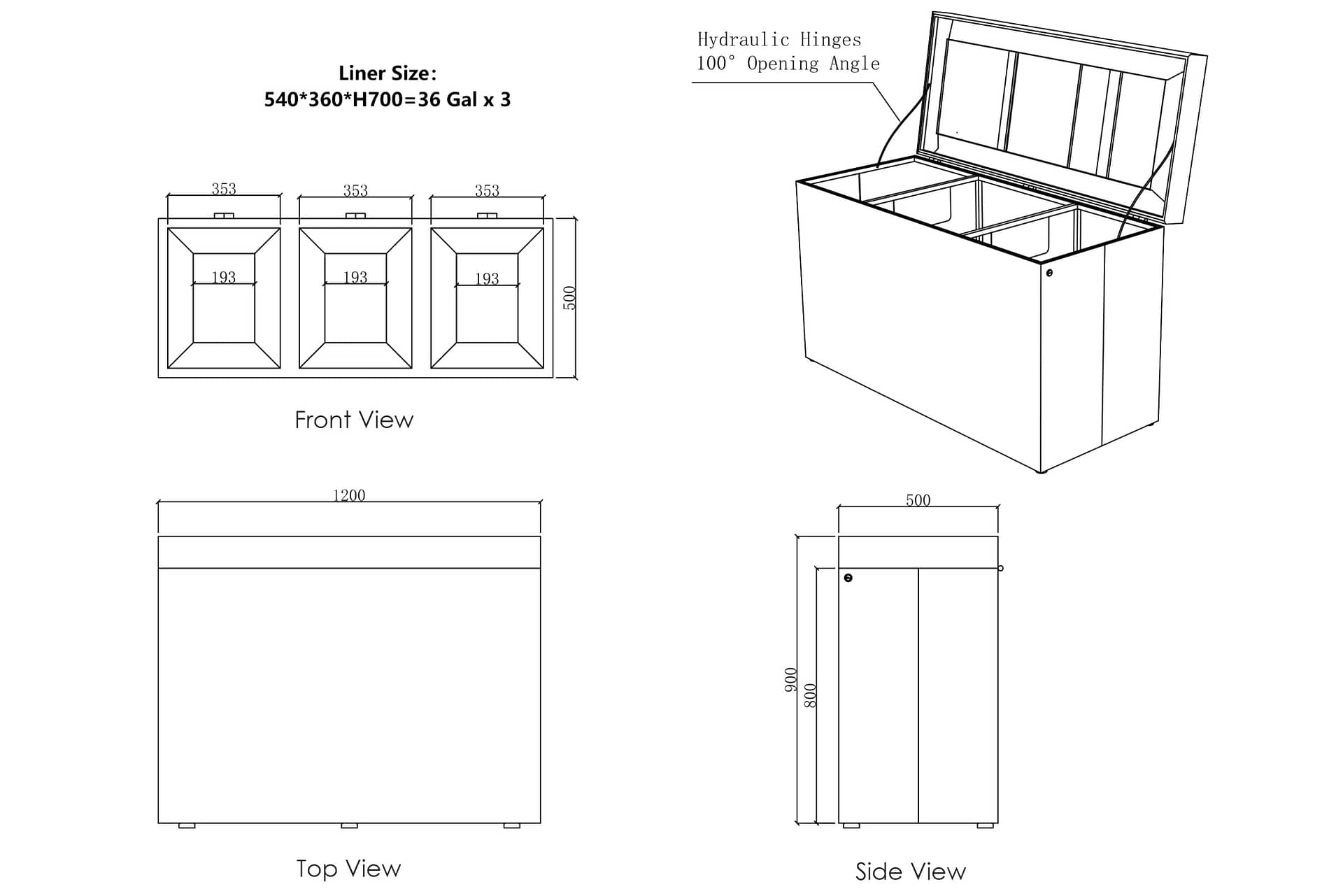
Measuring the width of a toy chest is essential for fitting it in the right space. The width refers to the horizontal distance across the front of the chest. Accurate width measurement helps you avoid buying a chest that is too wide or too narrow for your room.
Finding The Widest Point
Identify the widest point of the toy chest. This is usually the front side where the chest opens. Use a tape measure to stretch from one outer edge to the opposite outer edge. Check if handles or decorative parts extend beyond the main body. Measure including these parts if they affect space.
Recording Accurate Measurements
Hold the tape measure steady for an exact reading. Write down the width in inches or centimeters. Measure twice to confirm accuracy. Avoid rounding numbers too much; precise figures help in planning. Keep the measuring tape level and straight to prevent errors.
Measuring The Length
To measure a toy chest’s width, length, and height, use a tape measure. Start by measuring the width from side to side. Then, measure the length from front to back. Finally, measure the height from the base to the top.
Measuring the length of a toy chest is an essential step that can save you from future frustration. Whether you’re trying to determine if it will fit in a specific space or need it for a DIY project, getting this measurement right is crucial. With a few simple tools and a keen eye, you can ensure accuracy and avoid any sizing mishaps.
Determining The Longest Side
The length is typically the longest side of a toy chest. Grab a tape measure and start from one end, extending it to the opposite end. Make sure you’re measuring the side that runs parallel to the floor when the chest is in its usual position. Sometimes, toy chests have unique designs that make it tricky to identify the longest side. Consider the practical use and orientation in your home. This approach can help clarify which side should be considered the length.
Ensuring Straight Lines
Accuracy is key, and ensuring your tape measure follows a straight line is essential. Keep the tape taut and level with the chest to avoid any slanting, which could lead to incorrect measurements. It’s easy to overlook the importance of a straight line. Have you ever ended up with furniture that doesn’t fit quite right? Ensuring straight measurements prevents these mishaps, saving time and effort in the long run. If you’re measuring alone, a simple trick is to use a book or a box to keep the tape measure steady on one end. This can help maintain a straight line and ensure precision.
Measuring The Height
Measuring the height of a toy chest is important to ensure it fits the space and is easy to use. Height affects how accessible the chest is for children and adults. It also impacts storage and safety. Accurate height measurement helps avoid problems with lids or nearby furniture.
From Base To Top
Start by placing the toy chest on a flat surface. Use a tape measure or ruler for accuracy. Measure from the bottom of the chest’s base to the highest point on the sides. This gives the basic height without the lid.
Keep the measuring tape straight and vertical. Avoid bending or tilting it for the best result. Note this height as the main dimension for fitting the chest in a room.
Considering Lid Height
The lid adds extra height when closed. Measure from the base to the top of the lid if it sticks up. Include any handles or hinges that raise the lid’s height. This full height is important if the chest will fit under shelves or low ceilings.
Some lids open upwards and need extra space. Measure the height with the lid open if space allows. This helps plan for safe and easy opening without hitting walls or furniture.
Common Measuring Mistakes
Measuring a toy chest may seem simple, but common mistakes can lead to wrong dimensions. These errors can cause issues when buying or building a chest. Knowing the usual pitfalls helps ensure accurate measurements.
Simple mistakes like uneven tape placement or misreading the tape can skew the results. Taking time and being careful makes a big difference. Below are key tips to avoid these frequent errors.
Avoiding Slanted Measurements
Keep the measuring tape flat and straight. Slanted tape gives longer or shorter readings. Hold the tape tight against the chest edges. Avoid bending or twisting the tape during measuring. Measure along the exact edges to get true width, length, and height.
Double Checking Results
Measure each side twice or thrice. Compare the numbers to spot mistakes. Use a different measuring tool for a second opinion. Write down each measurement immediately to avoid forgetting. Accurate results come from careful checking and patience.
Using Measurements For Space Planning
Using the measurements of your toy chest is essential for effective space planning. Knowing the exact width, length, and height helps you visualize where the chest will fit and how it will impact the flow of the room. This step saves you from surprises and ensures your child’s play area stays organized and accessible.
Fitting In The Room
Start by measuring the available wall or floor space where you want the toy chest to go. Write down the width, length, and height of that space, then compare it with the toy chest’s dimensions. Will it fit comfortably, or will it feel cramped?
Think about other furniture nearby. If the toy chest is too wide, it might block pathways or crowd the room. A narrow but tall chest might work well in tight spots but check if it’s stable and safe for kids.
Allowing For Accessibility
Accessibility means leaving enough room around the toy chest for easy use. You should have space to open the lid fully without hitting walls or furniture. Also, consider how your child will reach inside—can they access toys without strain?
Leave at least a 2-foot clearance in front of the toy chest to allow for comfortable opening and closing. If the chest has drawers or compartments, make sure there’s extra space to pull them out completely. Accessibility isn’t just about fitting; it’s about making the toy chest easy and safe to use every day.
Tips For Measuring Irregular Toy Chests
Measuring an irregular toy chest can feel tricky because it doesn’t have straight lines or simple shapes. You need to adjust your approach to get the most accurate dimensions. These tips will help you handle curves and odd shapes with confidence, so you know exactly how much space your toy chest will take up.
Handling Rounded Edges
Rounded edges can throw off your measurements if you treat them like straight corners. Instead, measure the widest points across the curve to capture its full width or length.
Use a flexible measuring tape that can follow the curve naturally. If you don’t have one, a piece of string works well—lay it along the curve, mark where it ends, and then measure the string.
Have you noticed how often rounded edges make a chest seem smaller than it really is? Taking the curve into account ensures you don’t underestimate the size and end up with a toy chest that doesn’t fit your space.
Measuring Non-standard Shapes
When the toy chest has an unusual shape, break it down into smaller, easier sections. Measure each section separately, then add the measurements together.
For example, if the chest has a slanted lid or a bulging side, measure the base rectangle first. Then measure the slant or bulge as a separate length or height.
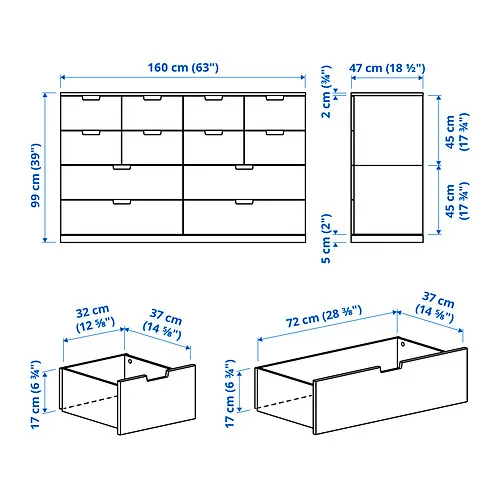
Drawing a quick sketch with your measurements can help you visualize the total size better. It also prevents mistakes when you combine dimensions later on.
Credit: www.islas.ikea.es

Credit: www.amazon.co.uk
Frequently Asked Questions
How Do I Measure The Width Of A Toy Chest?
Measure the widest part of the toy chest from one outer edge to the other. Use a tape measure for accuracy. Record the width in inches or centimeters depending on your preference.
What Is The Best Way To Measure Toy Chest Length?
Length is measured from the front to the back of the toy chest. Place the tape measure straight along the chest’s base for the exact length.
How To Measure The Height Of A Toy Chest Properly?
Measure the height from the floor to the top edge of the toy chest. Ensure the tape measure is vertical and straight for an accurate height.
Why Is Measuring Toy Chest Dimensions Important?
Accurate measurements ensure the toy chest fits your space perfectly. It helps avoid purchasing a chest that’s too big or too small.
Conclusion
Measuring your toy chest’s width, length, and height is simple. Use a tape measure and note each dimension carefully. This helps ensure the chest fits perfectly in your space. Knowing the size also helps you choose the right storage for toys.
Take your time to measure straight and level. Accurate measurements prevent buying a chest that is too big or small. With clear numbers, organizing becomes easier. Measuring right saves you time and stress. Keep these tips in mind for your next toy chest purchase.