


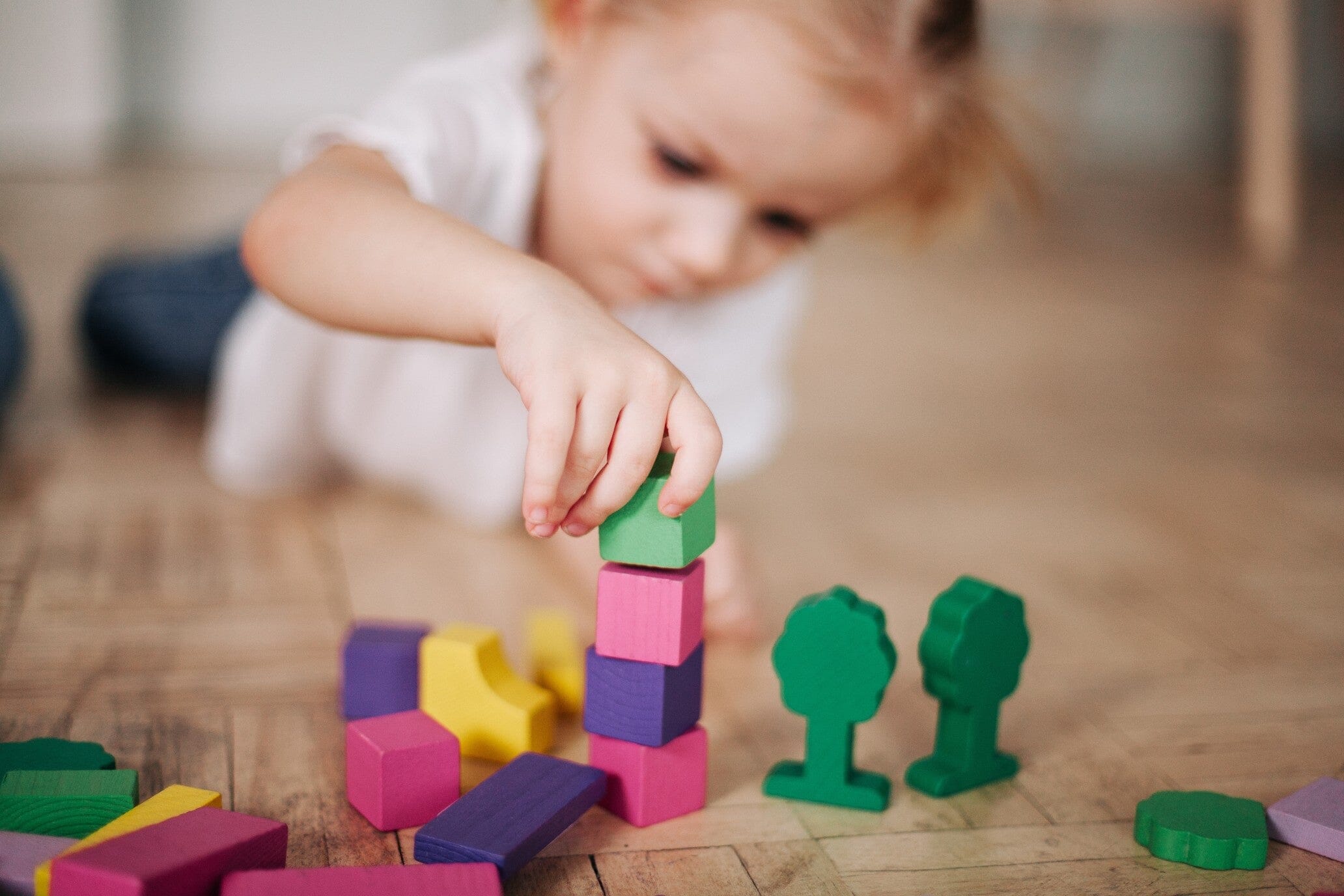
Imagine this: your child is happily playing with their favorite wooden toy blocks, creating towers and letting their imagination soar. But have you ever thought about how clean those blocks really are?
Wooden toy blocks, while durable and timeless, can collect dirt and germs over time. If you’re wondering how to keep them clean without damaging their natural finish, you’re in the right place. In this guide, you’ll discover simple, effective methods to wash wooden toy blocks, ensuring they’re safe and hygienic for your little ones.
You might be surprised by how easy it is to maintain the beauty and longevity of these classic toys. Dive in, and learn how to give your child’s playtime a fresh, clean start.

Credit: www.youtube.com
Why Clean Wooden Blocks
Wooden toy blocks are popular for children’s playtime. Keeping them clean is important for safety and fun.
Regular cleaning helps keep wooden blocks safe and looking good. It also makes them last longer.
Health Benefits
Wooden blocks can collect dirt and germs during play. Cleaning removes harmful bacteria and dust.
Clean blocks reduce the chance of spreading sickness among children. This keeps playtime healthy and safe.
Maintaining Appearance
Wood can get stained or dull after use. Cleaning keeps blocks looking bright and fresh.
Regular care prevents buildup of dirt that can damage the wood’s finish.
- Wipe blocks with a damp cloth
- Use mild soap if needed
- Dry blocks fully to avoid warping
Extending Lifespan
Wood can crack or weaken if not cared for. Cleaning helps keep the wood strong and smooth.
Proper cleaning stops dirt from causing damage. This helps wooden blocks last for many years.

Credit: brickzonehub.co.uk
Safe Cleaning Materials
Wooden toy blocks need gentle care when cleaning. Using safe materials keeps them strong and safe for kids.
Choosing the right cleaning products helps avoid damage or harmful effects on the wood.
Choosing Gentle Cleaners
Pick cleaners that are mild and made for wood surfaces. Harsh cleaners can dry out or crack the wood.
Natural options like mild soap and water work well. Avoid strong detergents or bleach.
- Mild dish soap mixed with warm water
- White vinegar diluted with water (1 part vinegar to 4 parts water)
- Natural wood cleaner without harsh chemicals
Avoiding Harsh Chemicals
Harsh chemicals can harm the wood and remove its finish. They may also leave toxic residue.
Stay away from bleach, ammonia, and strong disinfectants. These can cause wood to warp or crack.
- No bleach or chlorine-based cleaners
- No ammonia or strong solvents
- No abrasive powders or scrubbing pads
Recommended Tools
Use soft tools that clean without scratching the wood. Avoid rough brushes or steel wool.
Microfiber cloths and soft sponges work best. They clean gently and dry quickly.
- Soft microfiber cloths
- Non-abrasive sponges
- Soft-bristled toothbrush for corners
- Clean water for rinsing
Step-by-step Cleaning Process
Wooden toy blocks need gentle cleaning to stay safe and last long. Dirt and germs can build up from playtime. Cleaning keeps them fresh and ready to use.
This guide shows easy steps to wash wooden blocks without damage. Follow each step carefully for the best results.
Dry Dusting
Start by removing loose dust and dirt from the blocks. Use a soft cloth or a dry brush to clean all sides gently.
This step keeps the wood safe from moisture and prepares it for deeper cleaning.
Spot Cleaning Stains
Check blocks for any stains or sticky spots. Use a damp cloth with a little water to rub the spots gently.
For tough stains, add a small drop of mild soap to the cloth. Avoid soaking the wood to prevent damage.
Washing With Mild Soap
Fill a bowl with warm water and add a few drops of mild soap. Dip a soft cloth in the solution and wring it out well.
Wipe each block carefully, cleaning all surfaces. Do not immerse the blocks in water. Use a clean damp cloth to remove soap residue.
Drying Techniques
After cleaning, dry the blocks with a soft towel. Place them on a dry towel in a well-ventilated area to air dry.
Make sure blocks are fully dry before storing or playing. This prevents mold and keeps the wood in good condition.

Credit: www.lysol.com
Tips For Deep Cleaning
Wooden toy blocks need regular cleaning to stay safe and nice. Deep cleaning removes dirt and germs well.
Use gentle methods that do not harm the wood. Avoid soaking blocks too long to keep them strong.
Using Vinegar Solutions
Vinegar is a natural cleaner that kills many germs. Mix vinegar with water to clean wooden blocks safely.
Use one part white vinegar and three parts water. Wipe the blocks with this solution using a cloth.
- Do not soak blocks in vinegar solution
- Dry blocks fully after cleaning
- Test solution on a small area first
Disinfecting Safely
Use mild disinfectants that do not damage wood. Avoid harsh chemicals like bleach or strong sprays.
Wipe blocks with a cloth dampened in a gentle disinfectant. Let blocks air dry completely before use.
- Choose disinfectants safe for wood
- Do not soak blocks in disinfectant
- Dry blocks well to prevent warping
Handling Mold Or Mildew
Mold on wooden blocks needs quick attention. Use vinegar or baking soda to clean affected areas.
Scrub mold spots gently with a brush and vinegar solution. Rinse with a damp cloth and dry fully.
- Wear gloves when cleaning mold
- Keep blocks dry to stop mold growth
- Discard blocks with deep mold damage
Preventing Damage During Cleaning
Wooden toy blocks need careful cleaning to avoid damage. Water and harsh cleaning can ruin their surface.
Use gentle methods to keep blocks safe and looking good for a long time.
Avoiding Excess Water
Too much water can cause wood to swell and crack. Avoid soaking wooden blocks in water.
Use a damp cloth or soft sponge for cleaning. Wipe blocks quickly and dry them well after.
- Do not submerge blocks in water
- Use only a slightly damp cloth
- Dry blocks immediately with a dry towel
- Clean in small sections to control moisture
Protecting Finish And Paint
Wooden blocks often have paint or finish that can fade or peel. Avoid harsh chemicals or scrubbing.
Use mild soap and soft cloths to keep the paint and finish safe. Test cleaning solutions on a small spot first.
- Choose mild soap without bleach
- Use soft cloth or sponge only
- Do not scrub painted surfaces hard
- Test cleaner on a small area before full cleaning
Proper Storage After Cleaning
Dry wooden blocks fully before storing. Moisture left can cause mold or wood damage.
Store blocks in a dry place away from direct sunlight. This keeps the wood strong and the colors bright.
- Dry blocks completely after cleaning
- Store in a cool, dry area
- Avoid direct sunlight to prevent fading
- Use breathable storage containers if possible
Frequency Of Cleaning Wooden Blocks
Wooden toy blocks are fun and safe for kids. Keeping them clean is important to stop germs and dirt.
Regular cleaning protects the wood and keeps toys fresh. You should clean blocks often to keep them safe.
Daily Maintenance
Daily cleaning helps remove dust and small dirt. Wipe blocks with a soft cloth after playtime.
This simple step stops germs from building up. It also keeps the wood looking nice.
- Use a dry or slightly damp cloth
- Wipe off visible dirt or crumbs
- Let blocks air dry fully before storing
Periodic Deep Cleaning
Deep cleaning should happen every few weeks. This cleans areas a quick wipe might miss.
Use mild soap and water with a soft brush or cloth. Avoid soaking blocks to protect the wood.
- Mix mild soap with warm water
- Gently scrub blocks with a cloth or brush
- Rinse quickly with a damp cloth
- Dry blocks immediately with a towel
- Air dry completely before use or storage
Signs Blocks Need Cleaning
Watch blocks for dirt, stains, or odors. These signs mean it is time to clean the toys.
Sticky or greasy spots also show the need for cleaning. Check blocks often for safety.
- Visible dirt or dust buildup
- Sticky or greasy residue
- Unpleasant smells on the blocks
- Discoloration or stains on the wood
Frequently Asked Questions
How Often Should I Wash Wooden Toy Blocks?
Washing wooden toy blocks once a month is ideal. Frequent cleaning prevents bacteria buildup and maintains hygiene. Avoid excessive moisture to protect the wood. Regular wiping with a damp cloth also helps keep blocks clean between washes.
What Is The Safest Way To Clean Wooden Toy Blocks?
Use a mild soap and warm water solution. Gently scrub blocks with a soft cloth or sponge. Avoid soaking to prevent wood damage. Dry blocks thoroughly with a towel and air dry completely before use.
Can I Use Disinfectant On Wooden Toy Blocks?
Avoid harsh disinfectants as they can damage the wood. Instead, use a vinegar-water solution for natural disinfecting. Mix one part vinegar with four parts water, wipe blocks gently, and dry well. This method is safe and effective for wooden toys.
How Do I Dry Wooden Toy Blocks After Washing?
Pat blocks dry with a clean towel immediately after washing. Then, air dry them completely in a well-ventilated area. Avoid direct sunlight or heat sources to prevent warping or cracking of the wood.
Conclusion
Cleaning wooden toy blocks keeps them safe and fun to play with. Use gentle soap and water to avoid damage. Dry blocks well to stop any mold or cracks. Regular cleaning helps remove germs and dust. This simple care extends the life of the toys.
Keep toys fresh and ready for children’s hands. A little effort goes a long way in maintaining wooden blocks. Clean toys mean happy, healthy playtime every day.