


Have you ever wondered if building blocks are just simple toys or something more? You might think of them as just pieces to stack and build, but what if they actually spark creativity, problem-solving, and endless fun like any game?
If you’re curious about how building blocks can be both a toy and a game, this article is for you. Keep reading, and you’ll discover why these colorful pieces could be the secret to your next great playtime adventure.

Credit: www.amazon.com
Building Blocks As Toys
Building blocks are popular toys for children. They help kids learn while having fun.
These toys encourage creativity and improve hand skills. Kids can make many shapes and structures.
Types Of Building Blocks
There are many types of building blocks. Each type offers different play experiences.
- Interlocking blocks, like LEGO, snap together easily.
- Stacking blocks are simple cubes or shapes to pile up.
- Magnetic blocks stick together with magnets inside.
- Wooden blocks are classic and often used in early learning.
Materials Used
Building blocks come in many materials. Each material has different benefits.
- Plastic blocks are lightweight and colorful.
- Wooden blocks are sturdy and natural feeling.
- Foam blocks are soft and safe for younger kids.
- Magnetic blocks use magnets to connect pieces.
Age Groups Suitable
Different building blocks suit different ages. Age helps decide which blocks are safe and fun.
- Soft foam blocks are best for babies and toddlers.
- Wooden blocks suit toddlers and preschoolers.
- Interlocking plastic blocks fit children age 4 and up.
- Complex sets are good for older kids and teens.
Credit: www.amazon.com
Game Elements In Building Blocks
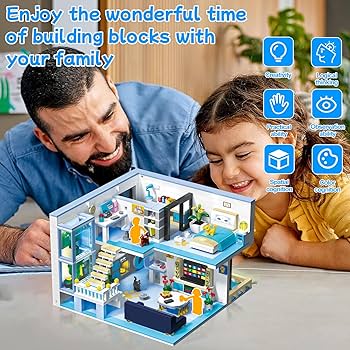
Building blocks are more than just toys. They include many game elements that make play fun and educational.
These elements help children learn skills while they play. They also encourage creativity, problem solving, and social skills.
Creativity And Imagination
Building blocks let kids create anything they want. They can build houses, cars, animals, or new inventions.
This freedom helps children use their imagination and think outside the box. It also boosts their creative thinking.
- Design unique structures
- Combine blocks in new ways
- Create stories around their builds
Problem Solving Skills
Building with blocks challenges children to solve problems. They learn how to fit pieces together and balance structures.
These tasks teach patience and planning. Kids test ideas and fix mistakes to finish their projects.
- Find the right pieces
- Balance blocks to prevent falling
- Plan steps to build complex shapes
Social Interaction
Playing with building blocks often involves others. Kids share ideas and help each other build together.
This teamwork improves communication and cooperation. It teaches children how to work in groups.
- Discuss building plans
- Share blocks and tools
- Encourage and support friends
Benefits Of Playing With Blocks
Building blocks are more than just toys. They help children learn and grow in many ways. Playing with blocks can make learning fun and easy.
Blocks allow kids to explore their creativity and develop important skills. This playtime supports their growth in the brain and body.
Cognitive Development
Playing with blocks helps children think and solve problems. They learn how to plan and test ideas while building different shapes.
This kind of play improves memory and attention. Kids also learn about balance and symmetry as they stack blocks.
- Enhances problem-solving skills
- Improves memory and focus
- Teaches basic math and spatial concepts
Motor Skills Improvement
Blocks help children develop fine motor skills. Picking up and placing blocks improves hand-eye coordination and finger strength.
These skills are important for daily tasks like writing and tying shoelaces. Playing with blocks also encourages careful and steady movements.
- Strengthens hand and finger muscles
- Boosts hand-eye coordination
- Encourages precise and controlled movements
Emotional Growth
Building blocks help children express feelings and ideas. They feel proud when they finish a structure, which builds confidence.
Playing with others teaches sharing and teamwork. Kids learn patience and how to handle small frustrations during play.
- Builds self-confidence
- Encourages teamwork and sharing
- Teaches patience and emotional control

Credit: www.amazon.com
Comparing Blocks With Traditional Games
Building blocks are classic toys that let children create shapes and structures. Traditional games include board games, card games, and physical toys. Both types offer fun and learning but differ in many ways.
This article compares building blocks to traditional games by looking at physical versus digital play, educational value, and how engaging they are for kids.
Physical Vs. Digital Play
Building blocks are mostly physical toys. Kids use their hands to stack and connect pieces. Traditional games can be physical or digital. Board games are physical, while video games are digital.
Physical play helps develop motor skills and hand-eye coordination. Digital play often improves reaction time and problem-solving skills. Both types can be enjoyable but affect the body differently.
- Blocks: Hands-on, tactile, and three-dimensional
- Traditional physical games: Often involve movement and social interaction
- Digital games: Screen-based, interactive, and sometimes immersive
Educational Value
Building blocks teach spatial awareness, creativity, and basic math concepts. Kids learn shapes, sizes, and balance while playing. Traditional games often teach rules, strategy, and teamwork.
Both types support learning but focus on different skills. Blocks encourage building and design. Traditional games may improve memory and planning.
- Blocks: Creativity, fine motor skills, spatial reasoning
- Board games: Strategy, patience, social skills
- Card games: Memory, numbers, quick thinking
Engagement Levels
Building blocks keep children engaged by letting them create and explore. Kids often spend time trying new designs. Traditional games engage players through competition and rules.
Blocks encourage open-ended play, while traditional games have clear goals. Both can hold attention but suit different personalities and moods.
- Blocks: Open-ended, creative, self-directed
- Traditional games: Goal-oriented, competitive, social
- Engagement depends on child’s interest and play style
Popular Building Block Games
Building blocks are not just toys. They are also part of many fun games. People use blocks to create, compete, and tell stories. These games help players think and work together.
Many games with building blocks focus on skill and teamwork. Players enjoy challenges and creative play. Let’s explore some popular types of building block games.
Competitive Block Challenges
In competitive block games, players race or fight to build the best structure. Speed and accuracy are key. These games test how fast and smart players can be.
Players may try to build towers, bridges, or shapes in a limited time. Judges or points decide the winner. These games are fun for groups and parties.
- Timed building races
- Height or strength contests
- Block stacking tournaments
Collaborative Building Projects
Collaborative projects need teamwork. Players work together to create large or complex structures. Communication and planning are important in these games.
Groups build cities, castles, or robots by sharing ideas and blocks. These projects teach cooperation and problem-solving skills. Everyone adds their part to the final design.
- Building a city with different zones
- Creating a themed castle or fortress
- Designing a large robot or vehicle
Block-based Storytelling
Storytelling games use blocks to bring stories to life. Players build scenes or characters from their tales. This type of play helps imagination and creativity.
Players create settings like forests, houses, or space ships. They tell stories by moving block figures or changing the scene. This makes stories more fun and visual.
- Building story scenes with blocks
- Creating characters from blocks
- Using blocks to act out stories
Tips To Maximize Fun With Blocks
Building blocks are not just toys. They help you create and learn. You can have lots of fun with simple blocks.
Try different ways to play with blocks. This keeps the game fresh and exciting for everyone.
Creating Themes And Challenges
Pick a theme for your block building. Themes make the game more interesting. You can build castles, cars, or animals.
Add challenges to test your skills. For example, build something in five minutes or use only a few blocks.
- Choose a fun theme like space or jungle
- Set a time limit for building
- Limit the number of blocks used
- Create a story around your building
Involving Family And Friends
Invite family or friends to join your block play. Playing together adds fun and teamwork.
Work on a group project or compete to see who builds best. Sharing ideas helps everyone learn.
- Build a group structure together
- Create friendly competitions
- Share building tips with each other
- Celebrate each other’s creations
Incorporating Technology
Use technology to add new fun to block building. Apps and videos can give you ideas and instructions.
Take pictures of your creations. Share them with friends or save to see your progress.
- Watch tutorials on building techniques
- Use block-building apps for design ideas
- Take photos to track your work
- Share your builds on safe platforms
Frequently Asked Questions
Are Building Blocks Considered A Game Toy?
Yes, building blocks are considered game toys. They encourage creativity, problem-solving, and motor skills. Children use them to build structures, making play both fun and educational.
How Do Building Blocks Benefit Children’s Development?
Building blocks improve fine motor skills, spatial awareness, and cognitive abilities. They also enhance creativity and teamwork when kids build together, promoting social skills.
Can Building Blocks Be Used For Educational Purposes?
Absolutely. Building blocks teach math concepts, engineering basics, and critical thinking. They provide hands-on learning, making complex ideas easier to understand for children.
What Age Group Is Suitable For Building Blocks?
Building blocks are suitable for toddlers to older children. Different sets cater to various age groups, ensuring safety and age-appropriate complexity in play.
Conclusion
Building blocks offer more than just play. They help develop skills like creativity and problem-solving. Many enjoy them as a fun and educational toy. Children learn by building and imagining new things. These blocks can bring hours of entertainment and learning.
So, building blocks truly count as a game toy. They combine fun with learning in a simple way. Kids and adults alike find joy in playing with them. A timeless toy that encourages growth and play.