


Are you looking for a fun way to keep your hands busy and your mind calm? You might have heard about kinetic sand and wondered if it works like a fidget toy.
If you’ve ever felt restless or need something to help focus, understanding how kinetic sand fits into the world of fidget tools could change the way you manage stress. Keep reading to discover how this unique sand might be just what you need to stay calm, focused, and entertained.
Kinetic Sand Basics
Kinetic Sand has gained popularity not just as a toy but also as a tool that many consider a fidget toy. Understanding its basics helps you see why it’s more than just ordinary sand. Let’s break down what makes Kinetic Sand stand out and why it appeals to so many.
What Makes It Unique
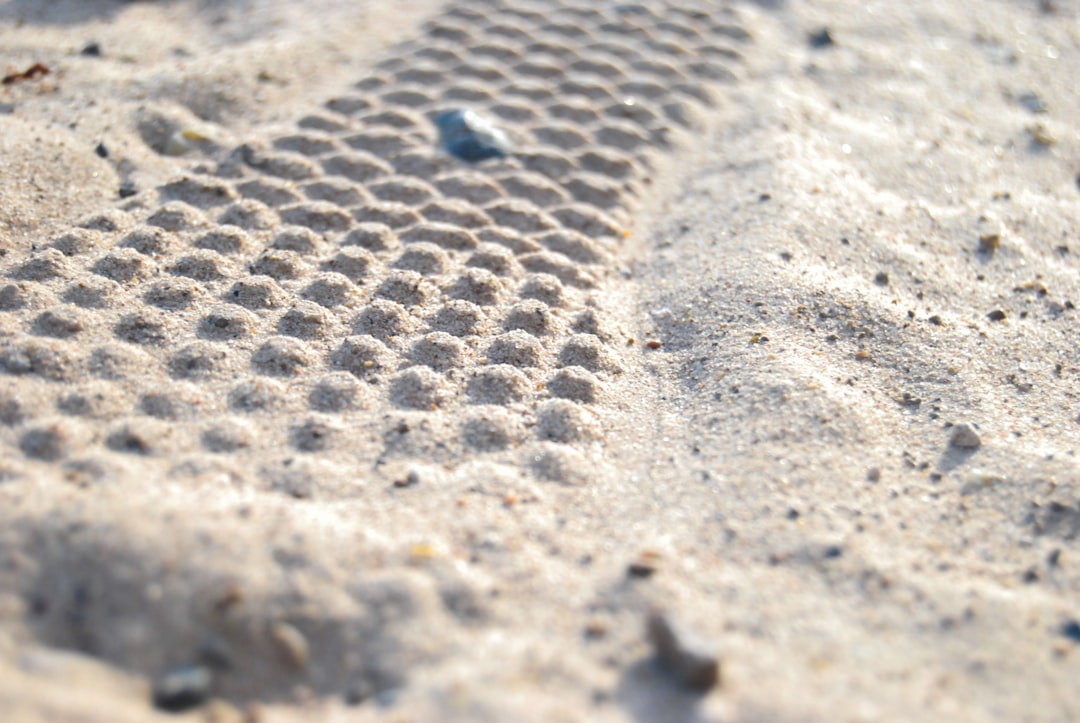
Kinetic Sand feels like regular sand but acts very differently. It sticks to itself, not to your hands or surfaces, so it’s less messy than traditional sand. This quality lets you shape and mold it easily, making it both fun and satisfying to touch.
Have you ever noticed how it flows slowly when you tilt it? That smooth, almost magical movement is what sets it apart. It’s designed to maintain its shape but still move fluidly, which gives you a calming sensory experience.
Materials And Texture
Kinetic Sand is made from 98% regular sand mixed with a special non-toxic polymer. This polymer gives it a unique texture that feels soft but still grainy. The balance allows the sand to hold shapes without drying out or crumbling.
This combination means you get the tactile sensation of sand with the benefits of a moldable, reusable material. If you’ve ever tried regular sand, you know it can be rough and dry—Kinetic Sand feels completely different in your hands.
Fidget Toys And Their Benefits
Fidget toys have gained popularity for their ability to help people stay calm and focused. These small tools can keep your hands busy, which may reduce stress and improve concentration. Understanding their benefits can help you choose the right toy for your needs.
Types Of Fidget Toys
Fidget toys come in many forms, each offering a different tactile experience. Some popular types include:
- Stress balls:Soft and squeezable, perfect for relieving tension.
- Spinner rings:Small rings that spin around your finger to keep your hands engaged.
- Clickers:Toys with buttons or switches that make clicking sounds.
- Kinetic sand:Moldable sand that you can squeeze and shape.
Each type targets different sensory preferences, making it easier to find one that fits your style.
How They Help Focus And Calm
Fidget toys can improve focus by occupying your hands with repetitive motions, which might prevent distractions. When your hands are busy, your brain can often work more efficiently on tasks that require attention.
They also provide a calming effect during stressful moments. The tactile sensation can lower anxiety and help regulate emotions, creating a sense of control.
Have you noticed how your mind drifts when your hands are idle? Fidget toys can fill that gap, helping you stay grounded and attentive.
Kinetic Sand As A Fidget Toy
Kinetic sand is more than just a fun play material; it serves as a unique fidget toy that engages your senses and calms your mind. Its soft, moldable texture invites hands to explore, making it an effective tool for focus and relaxation. Let’s break down why kinetic sand stands out among fidget toys and how it fits into your daily routine.
Sensory Experience
Kinetic sand offers a tactile experience that few fidget toys can match. The way it flows through your fingers feels oddly satisfying and soothing. This texture helps keep your hands busy without any mess, which is perfect if you want something calming but clean.
Have you noticed how the gentle resistance when you squeeze or shape kinetic sand can draw your attention away from distractions? This sensory feedback can ground you in the present moment, improving concentration and mindfulness.
Stress Relief Qualities
Playing with kinetic sand can reduce tension quickly. The repetitive motions of squishing and shaping the sand mimic calming behaviors, helping to lower anxiety levels. It’s like giving your brain a break without stopping your hands from moving.
You might find kinetic sand especially helpful during stressful times, such as before a presentation or after a long day. Its calming effect is subtle but powerful enough to help regulate your emotions and clear your mind.
Suitability For Different Ages
Kinetic sand appeals to a wide range of ages, from young children to adults. Kids enjoy its playfulness and creativity, while adults appreciate its stress-relieving properties. It’s a versatile fidget tool that fits into classrooms, offices, or at home.
Do you have a fidget toy that works for everyone in your family? Kinetic sand might be your answer because it adapts to different needs and skill levels. Just keep an eye on younger children to avoid accidental ingestion, and enjoy the benefits across generations.
Scientific Insights
Scientific research offers valuable insights into why kinetic sand works well as a fidget toy. It helps explain how tactile play affects our brain and emotions. These findings clarify the benefits of using kinetic sand for stress relief and focus improvement.
Studies On Tactile Stimulation
Tactile stimulation plays a key role in sensory processing. Studies show that touching and molding materials like kinetic sand activates the somatosensory cortex. This part of the brain processes touch signals.
Research indicates that tactile activities can calm the nervous system. Slow, repetitive motions with kinetic sand reduce anxiety and increase relaxation. These effects make kinetic sand an effective tool for managing sensory needs.
Psychological Effects
Psychological studies link fidget toys with improved concentration and reduced stress. Engaging with kinetic sand can distract from negative thoughts. This helps users stay present and focused.
Using kinetic sand encourages creativity and mindfulness. It promotes a state of flow, which benefits mental health. These effects support the idea that kinetic sand functions as a helpful fidget toy.
Using Kinetic Sand Effectively
Kinetic sand is more than just a fun toy. It’s an effective fidget tool. This moldable sand offers sensory relaxation. It calms the mind. Here’s how to use kinetic sand effectively.
Best Practices For Calming
Choose a quiet space for your sand sessions. A calm environment enhances focus. Use a tray to contain the sand. This keeps the area tidy. Mold the sand with slow, gentle movements. Feel its texture. Enjoy the soothing effect.
Take deep breaths while playing. Breathe in slowly. Exhale while squeezing the sand. This combination enhances relaxation. Repeat as needed for stress relief.
Combining With Other Techniques
Pair kinetic sand with calming music. Soft tunes can amplify the experience. Use it alongside meditation. Focus on the sand’s feel during mindfulness practices. This improves concentration.
Try deep breathing exercises. Use the sand as a visual anchor. Watch your hands move through it. This helps ground your thoughts.
Consider using essential oils. Add a few drops to the sand. Lavender and chamomile work well. This creates a multi-sensory experience. Enhance relaxation with every touch.
Comparing Kinetic Sand To Other Fidgets
Comparing kinetic sand to other fidget toys reveals some unique qualities and limitations that could affect your choice. While many fidget toys focus on repetitive motions like clicking or spinning, kinetic sand offers a tactile and malleable experience. This difference may influence how effective it is in helping you stay focused or relieve stress.
Pros And Cons
Kinetic sand feels soft and satisfying, allowing you to mold and reshape it endlessly. This can be calming and help reduce anxiety, much like traditional fidget toys. However, it can be messy and requires a clean surface, unlike compact fidget spinners or cubes.
- Pros:Provides a unique sensory experience, encourages creativity, reusable without drying out.
- Cons:Can stick to hands or surfaces, not very portable, requires cleanup.
Other fidget toys like spinners or stress balls are more discreet and easier to carry around. But they might not offer the same hands-on engagement that kinetic sand provides. How much does portability matter to you when choosing a fidget?
User Preferences
Your personal needs will shape whether kinetic sand or another fidget toy suits you better. If you enjoy tactile, hands-on activities and don’t mind a bit of mess, kinetic sand could be a perfect fit. On the other hand, if you need something compact and fuss-free for use in meetings or on-the-go, a fidget cube or spinner might work best.
Think about where and when you plan to use your fidget toy. Does your environment allow for a bit of cleanup? Are you looking for a calming activity or just something to keep your hands busy? Your answers will guide your choice more than any general advice.
Tips For Choosing Fidget Tools
Choosing the right fidget tool can make a big difference in how well it helps you stay focused or calm. Not all fidget toys work the same for everyone, so knowing what to look for helps you pick one that fits your needs perfectly. Let’s break down some key points that can guide you in selecting the best fidget tool, including kinetic sand.
Considerations For Sensory Needs
Think about what kind of sensory input you find most soothing or stimulating. Some people prefer tactile sensations, like the soft, moldable texture of kinetic sand, while others might need something that offers resistance, like a stress ball.
If you have sensitivities, avoid materials that feel too rough or sticky. Kinetic sand provides a unique, crumbly feel that many find satisfying, but it might not be ideal if you dislike mess or fine particles.
Ask yourself: Do you need a tool that calms or one that energizes? Matching your sensory needs can help you stay engaged without distraction.
Durability And Portability
Durability is crucial if you plan to use your fidget tool daily or carry it around. Kinetic sand is fun but can be messy and may crumble over time, so consider if that suits your lifestyle.
Portability matters, especially if you want to use your fidget tool at work, school, or on the go. Small, contained items like fidget spinners or cubes are easier to carry than a container of kinetic sand.
- Look for tools that are easy to clean and maintain.
- Check if they fit comfortably in your pocket or bag.
- Think about whether you’ll have space to use it without disturbing others.
Have you noticed how a bulky or fragile fidget toy can sometimes create more stress than relief? Choose tools that blend seamlessly into your daily routine for the best experience.
Frequently Asked Questions
Is Kinetic Sand Considered A Fidget Toy?
Yes, Kinetic Sand is often used as a fidget toy. Its tactile nature helps reduce stress and improve focus. People enjoy squeezing, molding, and shaping it to relieve anxiety and stay calm.
How Does Kinetic Sand Help With Anxiety?
Kinetic Sand’s soft, moldable texture provides sensory stimulation. This helps calm the nervous system and distracts from anxious thoughts. It promotes mindfulness and relaxation through repetitive, soothing hand movements.
Can Children Use Kinetic Sand As A Fidget Toy?
Absolutely. Kinetic Sand is safe and fun for children. It encourages creativity and fine motor skills. Using it as a fidget toy helps kids focus and reduce restlessness during learning or play.
Is Kinetic Sand Better Than Traditional Fidget Toys?
Kinetic Sand offers unique sensory feedback unlike many fidget toys. It combines tactile play with visual creativity. This makes it a versatile option for stress relief and sensory engagement.
Conclusion
Kinetic sand offers a fun way to keep hands busy and calm the mind. It feels soft and moves smoothly, making it satisfying to touch. Many people use it to focus or relax, just like other fidget toys. While it is not a traditional fidget tool, it shares similar benefits.
Playing with kinetic sand can help reduce stress and improve concentration. It suits both kids and adults who need a simple way to stay calm. In short, kinetic sand acts like a fidget toy for many people.