


If you have foam block toys at home or are thinking about getting some, it’s important to know the risks they might bring. These colorful, soft blocks seem safe and fun, but there are hidden dangers that could affect your child’s safety.
Understanding these common hazards will help you protect your little ones while they play and learn. Keep reading to discover what you need to watch out for and how to make foam block playtime safer for your family.
Credit: www.littlepeoplescove.com
Types Of Foam Block Toys
Foam block toys come in many shapes and sizes. They are popular for children’s play and learning.
Each type has different materials and designs. Some types carry specific safety risks.
Soft Foam Blocks
Soft foam blocks are light and squishy. They are easy for small children to hold and stack.
These blocks can break into small pieces. Small bits may cause choking hazards if swallowed.
Eva Foam Blocks
EVA foam blocks are firm and durable. They keep their shape well during rough play.
Some EVA foam contains chemicals that irritate skin or eyes. Poor ventilation can worsen this risk.
Interlocking Foam Blocks
Interlocking blocks snap together to build shapes. They encourage creativity and fine motor skills.
Sharp edges on poorly made blocks can cause cuts. Loose pieces can also be swallowed by children.
Foam Puzzle Blocks
Puzzle blocks have printed letters or numbers on them. They help children learn while playing.
The printed surface may wear off with time. Faded paint or ink can be harmful if ingested.
Large Foam Building Blocks
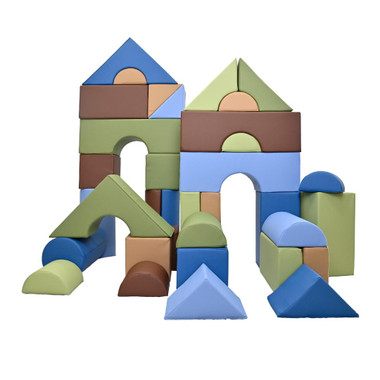
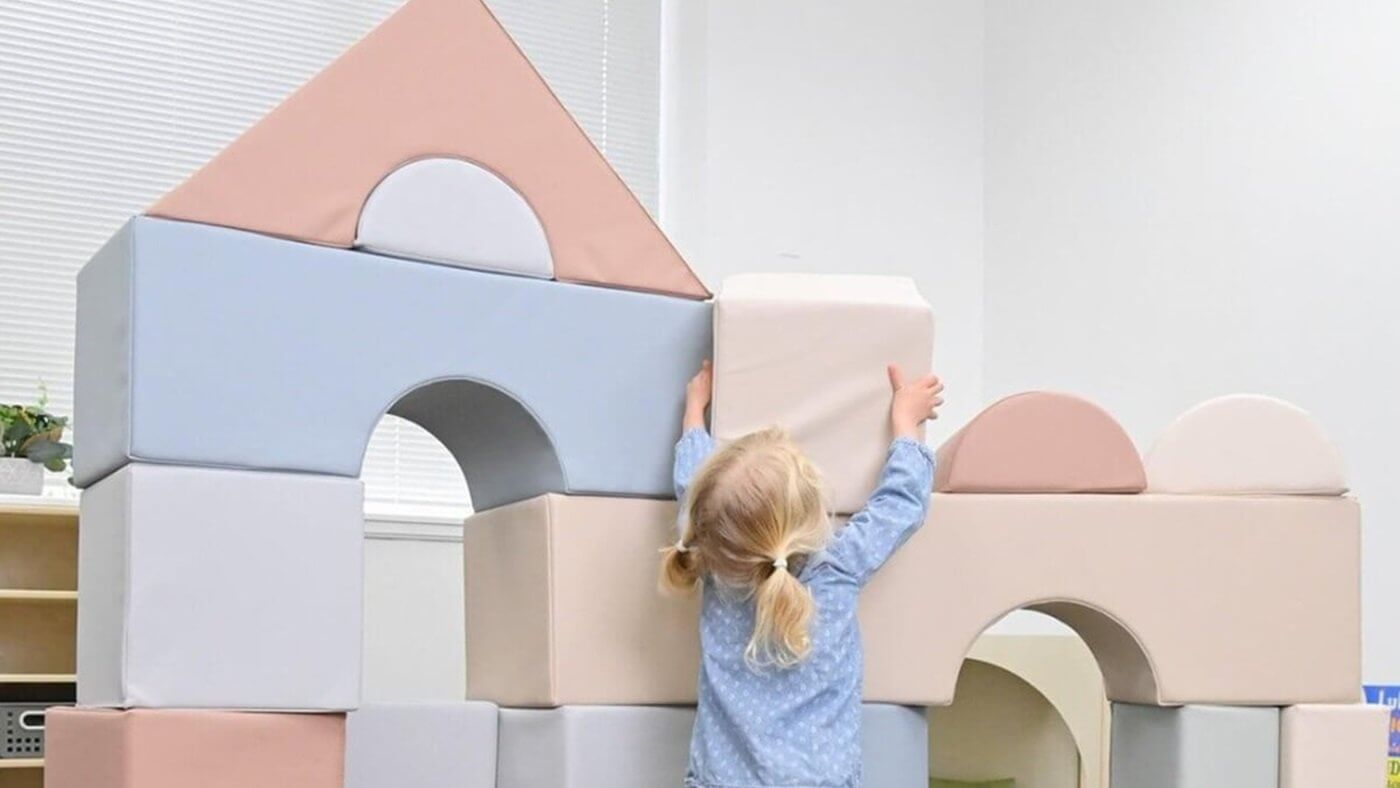
Large foam blocks are soft and safe for indoor play. They allow kids to build big structures.
Because of their size, they can cause tripping hazards. They also may block exits if left on the floor.
Choking Risks
Foam block toys are popular for kids to build and play. These toys come in many shapes and sizes.
Some foam block pieces can cause choking hazards. Small parts or broken pieces are especially risky.
Small Pieces And Loose Parts
Small foam blocks or parts can easily fit into a child’s mouth. This can block the airway and cause choking.
Kids often put toys in their mouths, especially toddlers. Loose or broken pieces increase the choking danger.
Broken Or Damaged Foam Blocks
Foam blocks can break into smaller pieces during rough play. These fragments are hard to see and swallow easily.
Damaged blocks lose their shape and can fit into a child’s throat. This creates a serious choking risk.
Inadequate Size And Shape Safety Standards
Some foam blocks do not meet safety size standards. Small or oddly shaped blocks can become choking hazards.
Parents should check if toys follow safety rules before buying. Blocks too small for age groups raise risks.
Lack Of Adult Supervision
Children need supervision when playing with foam blocks. Without it, they may put unsafe pieces in their mouths.
Adults can spot choking dangers early and remove risky blocks. This helps keep children safe during play.
Toxic Materials
Foam block toys can contain harmful chemicals. These toxic materials pose health risks to children.
Parents should know about these dangers before buying foam block toys for kids.
Chemical Additives
Foam blocks often include chemicals to improve their look and feel. Some of these additives can be toxic.
For example, flame retardants and plasticizers may cause skin irritation or breathing problems.
Foam Material Composition
Many foam blocks are made from polyurethane or polystyrene. These materials can release harmful gases over time.
Breathing in these gases may lead to headaches, dizziness, or respiratory issues in children.
Dyes And Paints
Bright colors on foam blocks come from dyes and paints. Some of these substances contain toxic heavy metals.
Lead and cadmium in paints can cause poisoning if children put toys in their mouths.
Foam block toys can trigger allergies in some children. Chemicals in the foam may cause skin rashes or swelling.
Parents should watch for any signs of allergic reactions after playtime with foam blocks.
Allergic Reactions
Foam block toys are popular among children but can cause allergic reactions. Some materials in these toys may trigger skin or respiratory allergies.
Parents and caregivers should know what to watch for and how to reduce allergy risks from foam toys.
Common Allergens In Foam Block Toys
Foam blocks often contain chemicals like latex, formaldehyde, or certain dyes. These substances can cause allergic reactions in sensitive children.
Latex allergies are common and may cause itching, redness, or swelling after touching the toy.
- Latex proteins
- Formaldehyde used in manufacturing
- Artificial dyes and fragrances
Signs Of Allergic Reactions
Allergic reactions can show up as skin rashes, redness, or swelling around the contact area. Some children may sneeze or cough.
Severe reactions are rare but need quick medical help.
- Red, itchy skin or rash
- Swelling of hands or face
- Sneezing and runny nose
- Coughing or wheezing
How To Reduce Allergy Risks
Choose foam toys labeled as hypoallergenic or free from common allergens. Clean toys regularly to avoid dust build-up.
Stop use if your child shows allergy signs and consult a doctor for advice.
- Check product labels for allergen information
- Wash toys with mild soap and water
- Avoid scented or dyed foam blocks
- Monitor your child for any allergy symptoms
Fire Hazards
Foam block toys can catch fire easily. This risk makes fire hazards an important safety concern.
Knowing how these toys can cause fires helps prevent accidents and keep children safe.
Flammability Of Foam Materials
Foam blocks are made of materials that burn quickly. They can catch fire from small sparks or flames.
Once on fire, foam toys can release toxic smoke that is harmful to breathe.
Risk Of Ignition Sources
Common ignition sources near foam block toys include candles, matches, and lighters. Electrical outlets and heaters also pose risks.
Children may accidentally bring foam blocks close to these sources, increasing fire danger.
Lack Of Fire Retardant Treatment
Some foam blocks do not have fire retardant chemicals. This makes them burn faster than treated toys.
Choosing toys with fire-resistant features can reduce fire hazards.
Storage And Usage Concerns
Storing foam blocks near heat sources or in direct sunlight can increase fire risks. Using them safely means keeping them away from flames.
Proper storage helps prevent accidental fires and extends the life of the toys.
Inhalation Of Foam Particles
Foam block toys can break into tiny pieces during play. These small foam particles can float in the air.
Breathing in foam particles may cause health problems, especially for children and people with breathing issues.
Sources Of Foam Particles
Foam block toys can release particles when they tear or break. Rough handling increases this risk.
Some foam materials shed particles more easily than others. Old or damaged toys often produce more dust.
Health Risks From Inhalation
Inhaling foam particles can irritate the nose and throat. It may cause coughing or sneezing.
Long-term exposure can worsen asthma or other lung problems. Small children are more vulnerable to these effects.
Preventing Foam Particle Inhalation
Check foam toys regularly for damage. Replace toys that shed foam particles.
- Keep play areas clean to reduce dust
- Encourage gentle play to prevent tearing
- Supervise young children during play
- Store foam toys in closed containers
Signs Of Foam Particle Inhalation
Watch for coughing or sneezing during or after play. Children may also have a runny nose or watery eyes.
If breathing problems occur, stop play and consult a doctor. Early action can prevent serious issues.
Safe Age Recommendations
Foam block toys are popular for creative play and learning. It is important to know the safe age to use them.
Different foam blocks have different risks. Age guidelines help keep children safe while playing.
Choking Hazards For Young Children
Small foam blocks or pieces can cause choking. Children under three years old are at high risk.
Always check the size of foam blocks before giving them to toddlers. Larger blocks are safer for young kids.
- Avoid small blocks for children under 3 years
- Supervise toddlers during playtime
- Choose foam blocks labeled safe for young kids
Chemical Safety And Age Limits
Foam blocks may contain chemicals not safe for very young children. Check for non-toxic labels.
Children over three years usually can safely use foam blocks made with safe materials. Avoid toxic or low-quality foam blocks for any age.
- Buy foam blocks with clear safety certifications
- Do not allow children to chew or bite blocks
- Keep foam blocks clean to prevent allergies
Supervision And Developmental Readiness
Even safe foam blocks need adult supervision for young children. Kids must understand how to play safely.
Children around three to five years old are usually ready to play with foam blocks alone. Watch for signs of unsafe behavior.
- Supervise children under five years old
- Teach safe play rules before giving blocks
- Remove damaged blocks that could break into small pieces
Proper Storage Tips
Foam block toys can bring fun and learning to children. Proper storage helps keep them safe and clean.
Storing foam blocks correctly prevents damage and reduces health risks.
Keep Foam Blocks Dry
Moisture can cause foam blocks to grow mold and bacteria. Always store them in a dry place.
If foam blocks get wet, dry them fully before putting them away.
Store Foam Blocks Away From Heat
Heat can melt or deform foam blocks. Avoid storing them near heaters or direct sunlight.
Keep foam blocks in a cool, shaded area to keep their shape and safety.
Use Containers With Lids
Containers protect foam blocks from dust and pets. Use boxes or bins with secure lids.
- Plastic bins are easy to clean
- Clear containers help find blocks quickly
- Label containers to organize by size or color
Avoid Overcrowding Storage Areas
Do not cram too many foam blocks in one space. Overcrowding causes blocks to lose shape.
Leave some room for air circulation inside the storage container or shelf.
Keep Storage Areas Clean
Regularly clean the storage space to avoid dust and dirt buildup. Clean areas reduce allergy risks.
- Wipe shelves with a damp cloth
- Vacuum the area around storage containers
- Check foam blocks for dirt before storing
Cleaning And Maintenance
Foam block toys need regular cleaning and maintenance. This keeps them safe and fun to use.
Dirty or damaged foam toys can cause health risks. Proper care helps avoid these hazards.
Avoid Using Harsh Chemicals
Harsh chemicals can break down foam material. This can cause the toy to crumble or lose shape.
Use mild soap and water to clean foam blocks. Avoid bleach or strong cleaners that can harm the foam.
Dry Thoroughly After Cleaning
Foam toys absorb water easily. If not dried well, they can grow mold or bacteria.
Air dry foam blocks completely before storing. This stops dampness and keeps toys safe.
Check For Tears And Damage
Torn foam blocks can release small pieces. These pieces may cause choking hazards for children.
Inspect toys regularly. Throw away any foam blocks with visible damage.
Store Foam Blocks Properly
Keep foam toys in a dry, cool place. Avoid direct sunlight which can weaken the foam.
- Use sealed containers to keep dust away
- Store away from sharp objects to avoid tears
- Keep out of reach of pets that might chew foam

Credit: www.amazon.ca
Supervision Guidelines
Foam block toys are fun but can pose safety risks. Careful adult supervision keeps children safe.
Adults should watch children closely to prevent accidents. Knowing common hazards helps improve safety.
Preventing Choking Hazards
Some foam blocks may break into small pieces. These pieces can be a choking risk for young children.
Supervisors must ensure children do not put blocks or pieces in their mouths. Keep small parts away from toddlers.
- Check toys for damage before play
- Remove broken blocks immediately
- Watch children under 3 years carefully
Avoiding Suffocation Risks
Foam blocks can cover a child’s face and block breathing. This risk is higher with large or soft blocks.
Supervisors should stop rough play that may cause blocks to cover the face. Teach children to play gently.
- Keep play areas clear of loose blocks
- Stop children from stacking blocks near the face
- Watch for signs of discomfort or distress
Monitoring Tripping And Falling Hazards
Foam blocks left on the floor can cause tripping. Children may fall and hurt themselves.
Supervisors should encourage children to clean up blocks after play. Keep the play area tidy to prevent accidents.
- Clear blocks from walkways regularly
- Remind children to put blocks away
- Use mats or soft flooring in play areas
Ensuring Age-appropriate Use
Foam block toys may not be safe for all ages. Some blocks are too small or soft for young children.
Adults should select blocks that fit the child’s age and skill level. Follow age guidelines on the packaging.
- Choose blocks labeled for your child’s age
- Explain safe ways to use the blocks
- Supervise new or younger users closely

Credit: www.littlepeoplescove.com
Frequently Asked Questions
What Are The Choking Risks With Foam Block Toys?
Foam block toys may produce small pieces that can cause choking. Always supervise young children and ensure blocks are intact and age-appropriate.
Can Foam Block Toys Cause Allergies Or Skin Irritation?
Some foam materials contain chemicals that trigger allergies or skin irritation. Choose non-toxic, hypoallergenic foam blocks to minimize health risks.
Are Foam Block Toys A Fire Hazard?
Foam block toys are flammable and can catch fire easily. Keep them away from open flames and heat sources to ensure safety.
How Can Foam Block Toys Cause Suffocation Hazards?
Large foam blocks can block airways if swallowed or cover a child’s face. Supervise playtime to prevent suffocation risks.
Conclusion
Foam block toys bring fun and learning to children. Still, some risks need attention. Small pieces can cause choking hazards. Rough edges may lead to cuts or scratches. Poor-quality foam may release harmful chemicals. Supervision and careful toy choice reduce dangers.
Always check for safety labels before buying. Keep play areas clean and free from hazards. Teaching kids safe play habits helps prevent accidents. Foam block toys stay safe with care and watchfulness. Enjoy playtime while keeping safety first.