


When it comes to keeping your sex toys clean, choosing the right household cleaner is more important than you might think. Using the wrong product can damage your toys or even cause irritation.
You want something that’s effective, safe, and gentle on your skin. But with so many options out there, how do you know which cleaner to trust? Keep reading to discover which household cleaners are safe for your sex toys and how to care for them properly—because your health and pleasure deserve nothing less.

Credit: www.tootimid.com
Choosing Safe Cleaners
Choosing the right cleaner for your sex toys is more important than you might think. The wrong product can damage the material, cause irritation, or leave harmful residues. Understanding what to avoid and what to use helps keep your toys safe, clean, and ready for use.
Ingredients To Avoid
Many household cleaners contain harsh chemicals that can break down the surface of your sex toys or irritate your skin. Stay away from:
- Bleach:It’s too harsh and can erode silicone, rubber, and other materials.
- Alcohol:While it kills germs, it can dry out and crack delicate surfaces.
- Fragrances and dyes:These can trigger allergic reactions or cause discomfort.
- Ammonia:This chemical is strong and can degrade toy materials.
Have you ever used a cleaner and noticed your toy’s texture changing? That’s often the result of these ingredients attacking the material.
Recommended Cleaning Agents
Look for gentle, non-toxic cleaners that are designed specifically for intimate products or safe household options:
- Mild soap and warm water:This simple combo works well for most non-porous toys.
- Castile soap:A plant-based soap that’s gentle and effective without harmful additives.
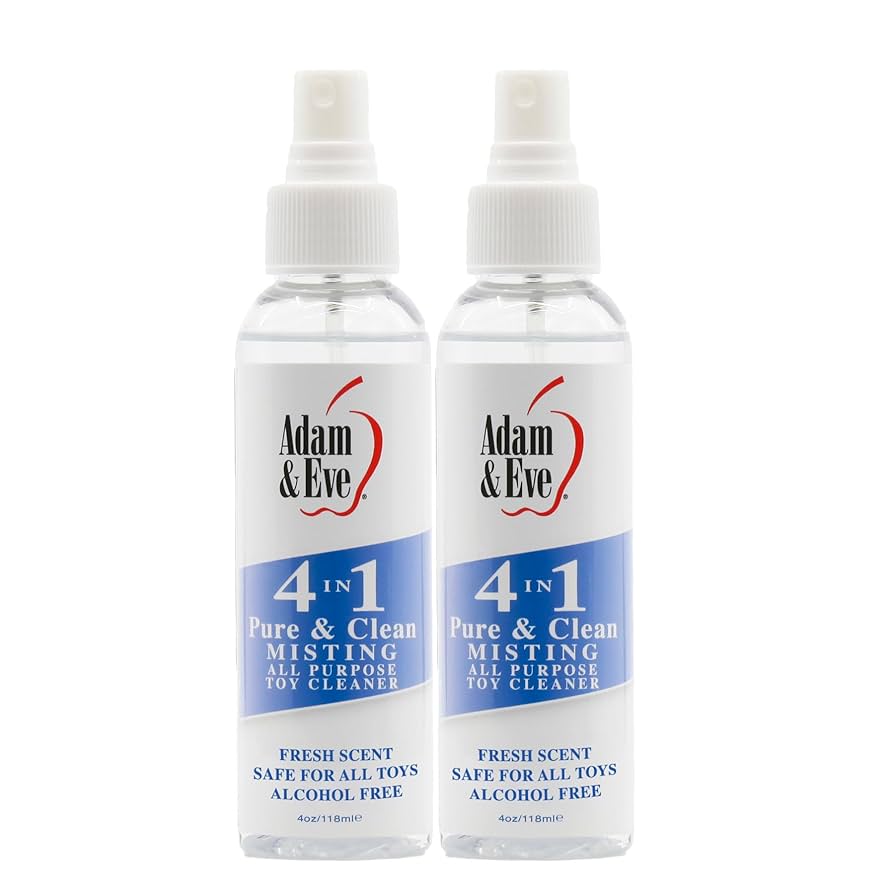
- Dedicated sex toy cleaners:These are formulated to disinfect without damaging materials.
- Isopropyl alcohol (70%):Use sparingly on hard, non-porous toys for quick sanitizing, but avoid on soft materials.
Have you tried using a toy cleaner that left no residue and kept your toy feeling brand new? Those products exist and can make a huge difference in your routine.
Types Of Sex Toy Materials
Knowing the type of material your sex toy is made from is key to choosing the safest and most effective cleaner. Different materials react differently to cleaning products, and using the wrong one can damage your toy or reduce its lifespan. Let’s look at some common materials and what you should keep in mind when cleaning each.
Silicone And Rubber
Silicone and rubber are soft, flexible materials that many sex toys use. These materials can absorb certain chemicals, so avoid cleaners with harsh ingredients like bleach or alcohol.
A mild soap and warm water often work best. You can also find cleaners specifically designed for silicone and rubber toys that won’t degrade their surface.
Have you noticed your toy feeling sticky after cleaning? That’s a sign the cleaner might be too strong or not rinsed well enough.
Glass And Metal
Glass and metal toys are non-porous, making them easier to clean and less likely to harbor bacteria. You can use boiling water or specialized sex toy cleaners without worry.
Many people love these materials because they tolerate a wider range of cleaning methods, including disinfectants.
Still, check for any coatings or decorations on metal toys, as these might need gentler care.
Plastic And Jelly
Plastic and jelly are porous materials that can trap bacteria more easily. Use gentle, fragrance-free cleaners to avoid irritation or damage.
Some plastics may react poorly to alcohol-based cleaners, causing them to become sticky or discolored.
Did you know some jelly toys contain phthalates? If so, extra care with cleaning is essential to protect both your health and the toy’s integrity.
Cleaning Techniques
Proper cleaning techniques are essential to keep your sex toys safe and hygienic. Choosing the right method protects both your health and the longevity of your toys. Let’s break down some effective cleaning options you can easily do at home.
Hand Washing Tips
Hand washing is often the safest and simplest way to clean most sex toys. Use warm water and a mild, unscented soap to avoid irritation or damage. Gently scrub all surfaces, paying attention to grooves or textured areas where bacteria can hide.
Rinse thoroughly to remove all soap residue, which could cause discomfort during use. Pat dry with a clean towel or let air dry completely before storing. Have you ever noticed a toy feeling sticky after washing? That’s often leftover soap or insufficient rinsing.
Using Toy Cleaners
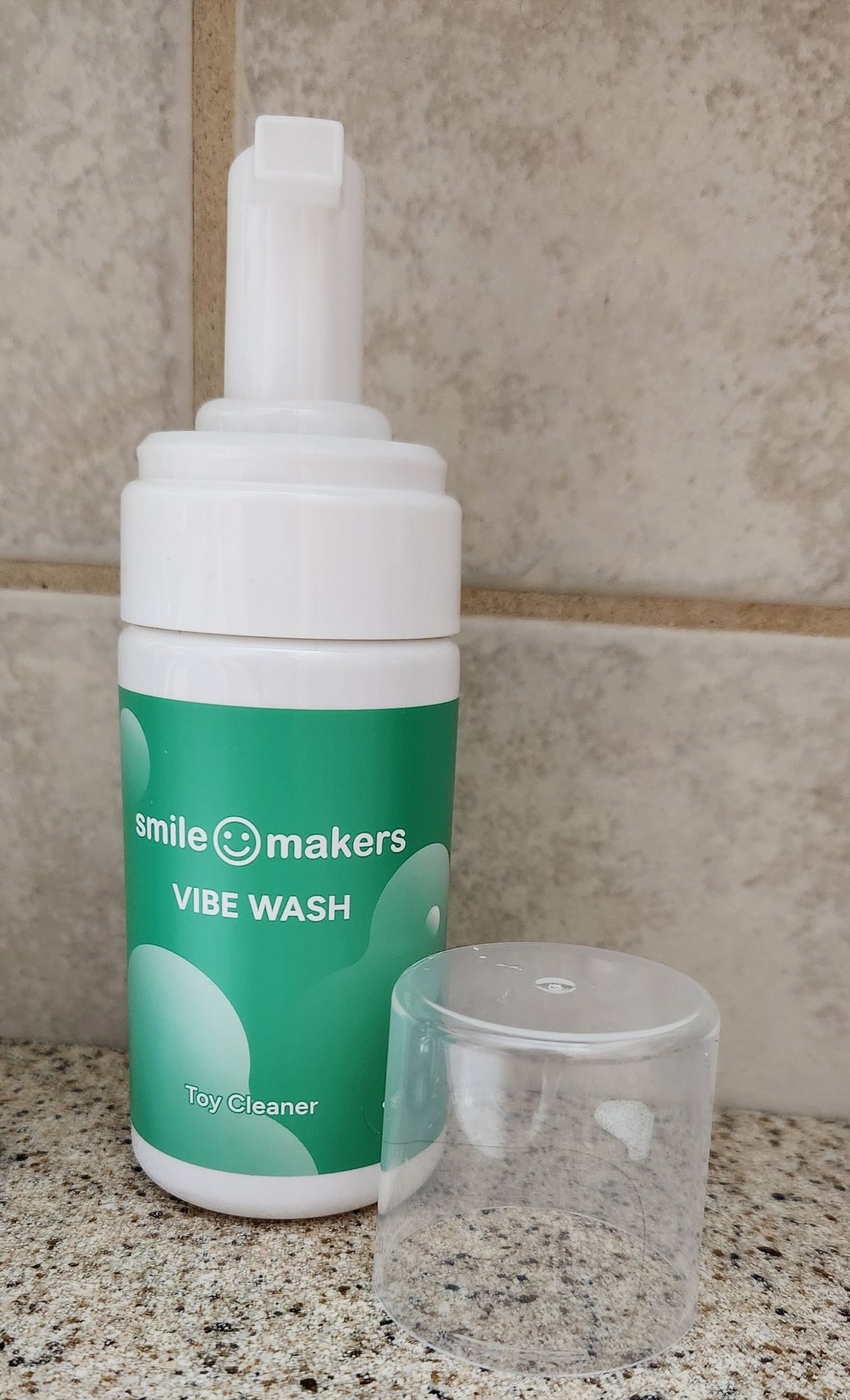
Specialty toy cleaners are designed to be both gentle and effective. They often contain antibacterial agents that regular soaps don’t have. Spray or apply the cleaner according to the instructions, then wipe or rinse off as directed.
Many people find toy cleaners convenient because they don’t leave residue and are quick to use. However, always check that the cleaner suits your toy’s material—silicone, glass, or metal each have their own needs. Have you tried a toy cleaner that made your routine easier?
Avoiding Damage
Not all cleaning methods are safe for every toy. Avoid harsh chemicals, bleach, or alcohol-based cleaners—they can degrade silicone and other materials. Also, steer clear of boiling or putting toys with electronic parts in water.
Inspect your toy regularly for cracks or discoloration, which could mean damage from improper cleaning. Treat your toys like delicate tools: clean with care and store them properly to keep them working well and safe for you. Could a gentler approach extend your toy’s life?
Credit: smilemakerscollection.com
Diy Cleaning Solutions
DIY cleaning solutions offer a gentle and cost-effective way to keep sex toys hygienic. Many homemade mixes use simple ingredients that are safe and easy to find. These solutions can effectively remove bacteria without harming the material of your toys.
Safe Homemade Mixes
Simple ingredients like water, vinegar, and baking soda work well for cleaning. Mix equal parts of water and white vinegar in a spray bottle. Spray on the toy and wipe with a clean cloth. Baking soda can be combined with water to make a paste. Use the paste to scrub toys gently, then rinse thoroughly.
Avoid harsh chemicals or bleach. These can damage the toy’s surface and cause irritation.
Using Soap And Water
Mild soap and warm water remain the safest and easiest cleaning method. Use fragrance-free, gentle soap to avoid irritation. Rinse the toy well to remove all soap residue. Dry with a clean towel or air dry completely before storing.
This method suits most materials, including silicone, glass, and stainless steel.
When To Avoid Diy
Do not use DIY solutions on porous materials like jelly or rubber. These can absorb liquids and harbor bacteria. Avoid homemade mixes on toys with electronic parts or batteries. Use only cleaners recommended by the manufacturer in those cases.
Always check the toy’s instructions before trying any new cleaning method.
Storage And Maintenance
Choose mild, fragrance-free cleaners made for delicate materials to keep sex toys safe. Avoid harsh chemicals that can damage the surface or cause irritation. Store toys in a clean, dry place to maintain hygiene and extend their lifespan.
Storing and maintaining your sex toys properly is essential for their longevity and your safety. Improper care can lead to damage or bacteria build-up, which nobody wants. A little effort in maintaining and storing them can go a long way in ensuring they remain in top condition.Proper Drying Methods
After cleaning your sex toys, drying them thoroughly is crucial. Moisture left on toys can lead to mold and bacteria growth. Use a clean, dry cloth to gently pat them dry. Avoid using towels with lint, as this can stick to your toys. Air-drying is another good option; just make sure they are not in direct sunlight, which could damage certain materials.Preventing Bacteria Build-up
Keeping your sex toys bacteria-free starts with cleaning them after each use. Use a mild, toy-safe cleaner or warm water and unscented soap. Ensure you reach every crevice to avoid bacteria hiding spots. Consider investing in a small UV light sanitizer for added protection. This can be a game-changer, especially for more intricate designs where bacteria could linger. Remember, a little prevention now saves a lot of trouble later.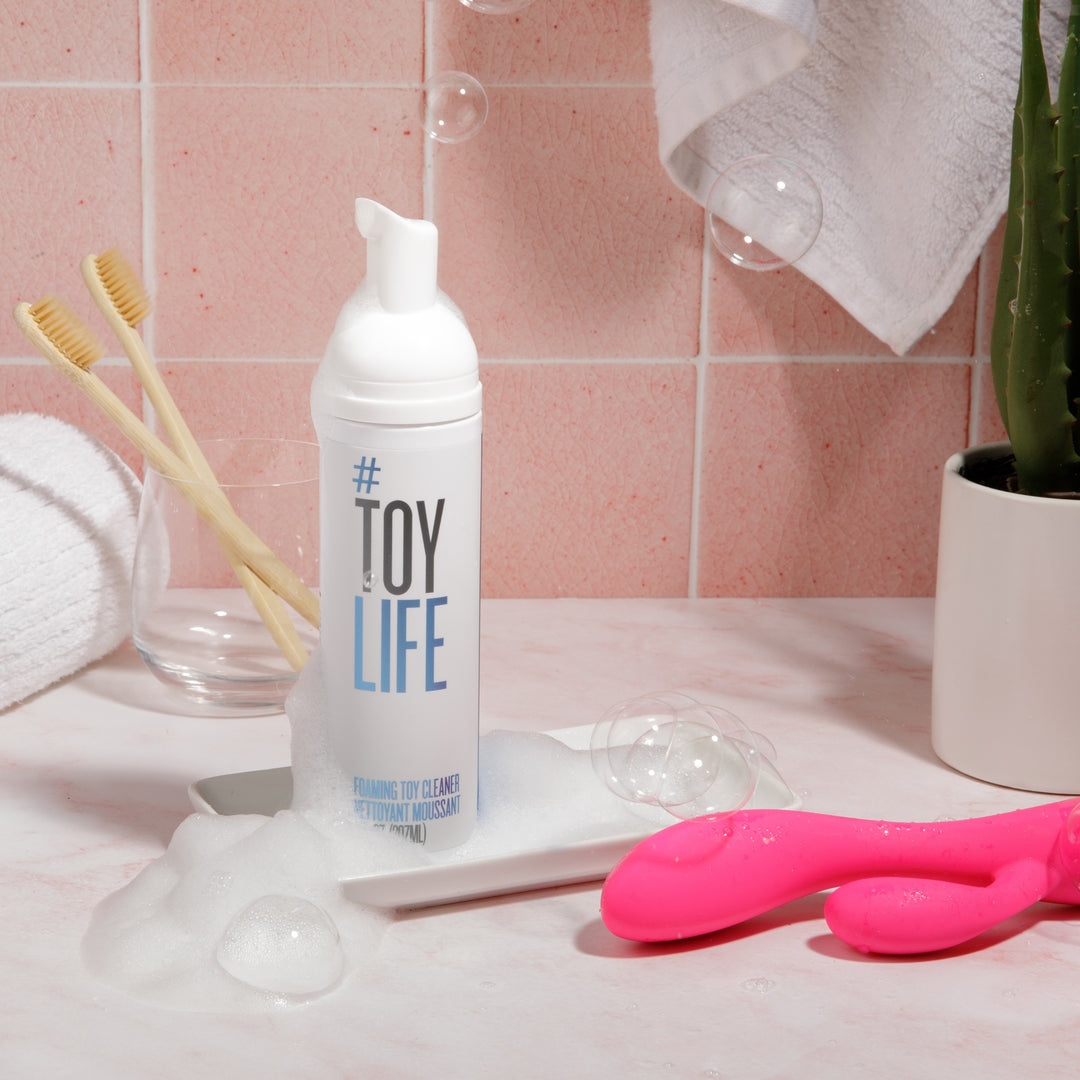
Credit: www.lubelife.com
Expert Safety Tips
Keeping your sex toys clean is essential for both safety and longevity. Using the right household cleaner can prevent infections and damage to your toys. Here are expert safety tips to help you maintain your items effectively and confidently.
Frequency Of Cleaning
How often should you clean your sex toys? Ideally, clean them before and after each use. This practice minimizes bacteria buildup and keeps your experience hygienic.
If you use toys with different partners or switch between body areas, cleaning between uses becomes even more critical. Even if a toy is used solo, germs can still accumulate from the environment. Don’t skip this step—it protects your health.
Signs Of Wear And Tear
Inspect your toys regularly for any signs of damage. Look for cracks, discoloration, or sticky textures. These changes can harbor bacteria and make cleaning ineffective.
Have you noticed a toy feeling rough or sticky lately? It’s a red flag. Damaged toys should be replaced to avoid infections and discomfort during use.
Remember, a clean toy is only safe if it’s intact. Prioritize your health by discarding worn-out items promptly.
Frequently Asked Questions
What Household Cleaners Are Safe For Sex Toys?
Mild, unscented soap and warm water are safest for sex toys. Avoid harsh chemicals, bleach, or alcohol, which can damage materials and cause irritation.
Can I Use Antibacterial Soap On Sex Toys?
Yes, but only gentle, fragrance-free antibacterial soap. Harsh antibacterial soaps may degrade toy surfaces and affect safety. Always rinse toys thoroughly afterward.
Is Vinegar A Safe Cleaner For Sex Toys?
Diluted white vinegar can disinfect sex toys safely. Mix one part vinegar with four parts water. Rinse well to avoid any lingering smell or irritation.
How Often Should I Clean Sex Toys With Household Cleaners?
Clean sex toys before and after each use to prevent bacteria buildup. Proper cleaning ensures safety and prolongs the toy’s lifespan.
Conclusion
Choosing the right cleaner keeps your sex toys safe and fresh. Use gentle, water-based cleaners made for sensitive materials. Avoid harsh chemicals that can damage or irritate. Clean your toys after every use to stop germs. Store them in a dry, clean place to protect quality.
Simple care extends the life of your toys. Stay safe and enjoy worry-free play every time.