


Have you ever bought a toy for your dog, only to watch it sit there untouched? It can be confusing and even a little disappointing when your furry friend doesn’t seem interested in playing.
You might wonder, “Why don’t my dogs play with toys? ” Understanding the reasons behind this behavior can help you connect better with your pet and make playtime fun again. Keep reading to discover what might be holding your dog back and how you can spark their playful side.
Common Reasons Dogs Ignore Toys
Many dog owners wonder why their pets do not play with toys. It can be confusing to see dogs ignore items meant for fun.
Understanding why dogs avoid toys helps owners find better ways to keep their pets active and happy.
Lack Of Interest In Toys
Some dogs do not find toys appealing. This may happen if the toy does not match their natural instincts or preferences.
- The toy’s smell or texture might be unattractive.
- Dogs might prefer items that smell like their owners.
- Some dogs need toys that make noise or move.
- A toy that is too hard or soft may not be enjoyable.
Preference For Other Activities
Dogs often choose activities they find more fun than playing with toys. This can explain why toys get ignored.
| Activity | Reason Dogs Like It |
| Walking | Exploring new smells and sights |
| Running | Releases energy and feels good |
| Chewing | Helps clean teeth and relaxes |
| Socializing | Enjoys company of other dogs or people |
Age And Energy Levels
Young dogs often have high energy and like to play. Older dogs may prefer quiet time to playing with toys.
Energy and age affect toy interest:
- Puppies are curious and explore with toys.
- Adult dogs play to release energy after exercise.
- Senior dogs may rest more and play less.
- Low energy dogs might not be interested in active toys.

Credit: www.amazon.com
Health Factors Affecting Play
Dogs may not play with toys due to health problems. These issues can make play uncomfortable or less fun.
Understanding these health factors helps owners support their pets better.
Dental Issues
Dental pain can stop dogs from chewing toys. Problems like broken teeth or gum disease cause discomfort.
- Difficulty biting or chewing
- Swelling in the mouth
- Bad breath
- Drooling more than usual
Joint Pain Or Arthritis
Joint pain makes moving and playing hard for dogs. Arthritis is common in older dogs and can reduce their energy.
| Symptom | Effect on Play |
| Stiffness | Less movement and slower play |
| Swelling | Pain when running or jumping |
| Limping | Avoidance of active toys |
Sensory Problems
Sensory issues can make toys less interesting. Dogs with poor eyesight or hearing may not notice toys.
Signs of sensory problems include:
- Ignoring toys
- Not responding to sounds
- Clumsiness or bumping into objects
Behavior And Personality Traits
Dogs have unique personalities that affect their actions. Some dogs do not like to play with toys.
Understanding why your dog avoids toys can help you meet their needs better.
Shyness Or Anxiety
Shy or anxious dogs may avoid toys because they feel scared. They might not want to engage in play.
New or loud toys can increase their stress. Gentle encouragement helps them feel safe.
- Provide quiet, calm playtime
- Use soft, familiar toys
- Give your dog space and time
Breed Tendencies
Some dog breeds naturally like toys less than others. Their instincts and energy levels matter.
For example, some hunting breeds prefer chasing over chewing toys. Others may like social play instead.
- Terriers often love to dig and chase
- Herding dogs may enjoy interactive play
- Some breeds prefer cuddling over toys
Past Experiences
Dogs with bad past experiences may avoid toys. They may associate toys with fear or pain.
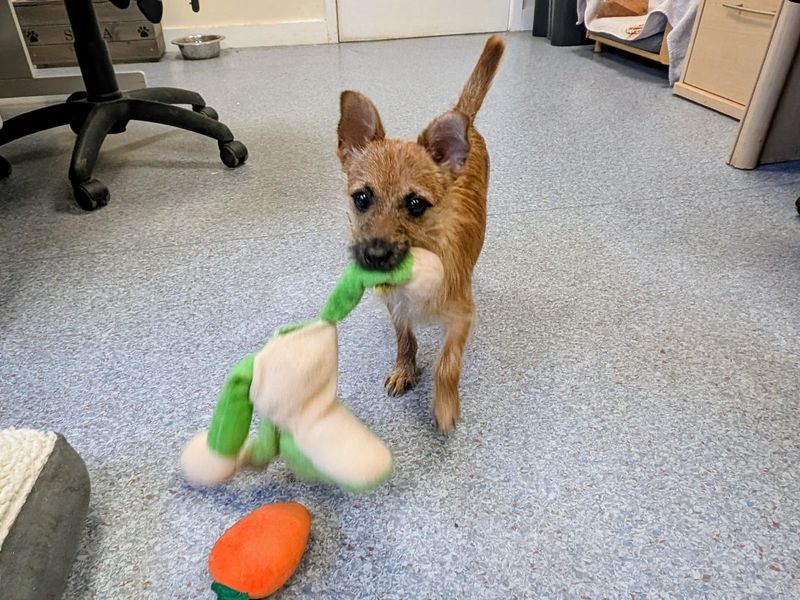
Rescue dogs especially can take time to trust toys. Positive, slow introductions work best.
- Use soft toys to build trust
- Reward calm behavior with treats
- Avoid forcing play or toys
Credit: www.dogstrust.org.uk
Environmental Influences
Dogs may not play with toys because of their surroundings. The environment affects their interest and behavior. Understanding these factors helps improve their playtime.
Some dogs need more mental and physical stimulation. Others may find toys boring or get distracted by noises around them.
Lack Of Stimulation
A dull environment can cause dogs to lose interest in toys. Without enough activity, dogs feel bored and restless.
- Long periods alone reduce play motivation
- Few chances to explore new things
- Limited exercise lowers energy for play
- No variety in toys or activities
Toys Not Appealing
Dogs may ignore toys that do not catch their attention. Size, texture, and smell play a role in their interest.
| Toy Feature | Why It Matters |
| Size | Must fit dog’s mouth comfortably |
| Texture | Should feel good to chew or hold |
| Scent | Familiar or fun smells attract dogs |
| Movement | Toys that move can be more exciting |
Distractions And Noise
Loud sounds and busy areas make it hard for dogs to focus. They may ignore toys if too much is happening around them.
Common distractions include:
- Traffic and street noise
- Other animals nearby
- People talking or moving around
- Household appliances running
Improving Toy Engagement
Some dogs do not show interest in toys. This can be confusing for pet owners. Understanding how to improve toy engagement helps build better play habits.
Engaging your dog with the right toys and techniques can make playtime more fun. It also strengthens your bond with your pet.
Choosing The Right Toys
Not all toys suit every dog. Size, texture, and scent affect your dog’s interest. Some dogs prefer soft toys, while others like chew toys.
- Pick toys that match your dog’s size and bite strength.
- Try toys with different textures like rubber, plush, or rope.
- Select toys that have safe scents or flavors your dog likes.
- Change toys regularly to keep your dog curious.
Interactive Play Techniques
Playing with your dog encourages toy use. Use toys during games like fetch or tug. Your active role excites your dog to join in.
- Choose a quiet space with few distractions.
- Use a toy your dog already likes or shows interest in.
- Call your dog’s name and show the toy with enthusiasm.
- Play gently and praise your dog when they touch or chase the toy.
- Keep sessions short but frequent to build habit.
Encouraging Positive Associations
Dogs learn by linking toys with good things. Use treats and praise to make toys more attractive. Positive feelings help your dog enjoy play.
| Action | Effect |
|---|---|
| Give a treat after playing | Builds happy feelings about the toy |
| Use calm praise words | Makes the dog feel safe and loved |
| Play with the toy yourself | Shows the toy is fun and interesting |
| Let the dog win tug games | Increases motivation to play again |

Credit: www.threads.com
Frequently Asked Questions
Why Won’t My Dog Play With Toys?
Dogs may not play with toys due to lack of interest, past trauma, or unfamiliarity. Some dogs prefer human interaction or have different preferences. Try introducing new types of toys, ensuring they are safe and engaging. Sometimes, playing alongside them can ignite their curiosity and encourage playtime.
How Can I Encourage My Dog To Play?
To encourage play, offer a variety of toys and engage in interactive games. Use toys that make noise or have treats inside. Positive reinforcement with treats and praise can motivate them. Spend quality time playing together to strengthen your bond and make playtime more enjoyable for your dog.
Are There Specific Toys For Reluctant Dogs?
Yes, some toys are designed for reluctant dogs. Toys with treats inside or puzzle toys can capture their interest. Soft toys with varied textures or squeaky sounds often appeal to different senses. Experiment with different options to find what excites your dog and encourages them to play.
Could Health Issues Affect My Dog’s Playfulness?
Yes, health issues can affect playfulness. Pain, dental problems, or mobility issues may deter them from playing. Consult a veterinarian if you notice sudden changes in behavior. Regular check-ups ensure your dog stays healthy and happy. Addressing health concerns can revive their interest in toys and play.
Conclusion
Dogs may not play with toys for many reasons. Sometimes, they feel tired or not interested. Other times, they prefer different activities or need more attention. Understanding your dog’s mood helps find the right toy or game. Keep trying new toys and watch their reactions closely.
Patience and love will encourage your dog to play more. Every dog is unique, so respect their choices. Playtime should be fun and stress-free for both of you. Enjoy the moments and bond with your dog in your own way.