
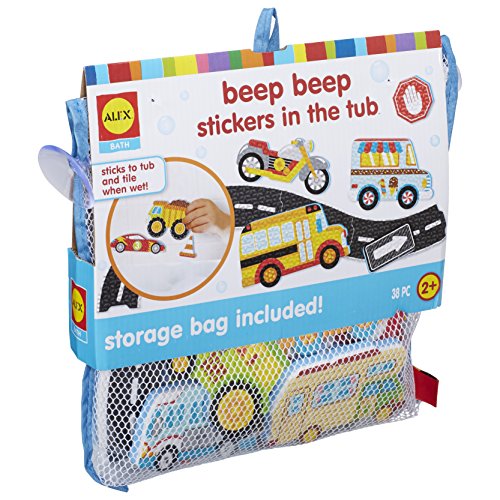


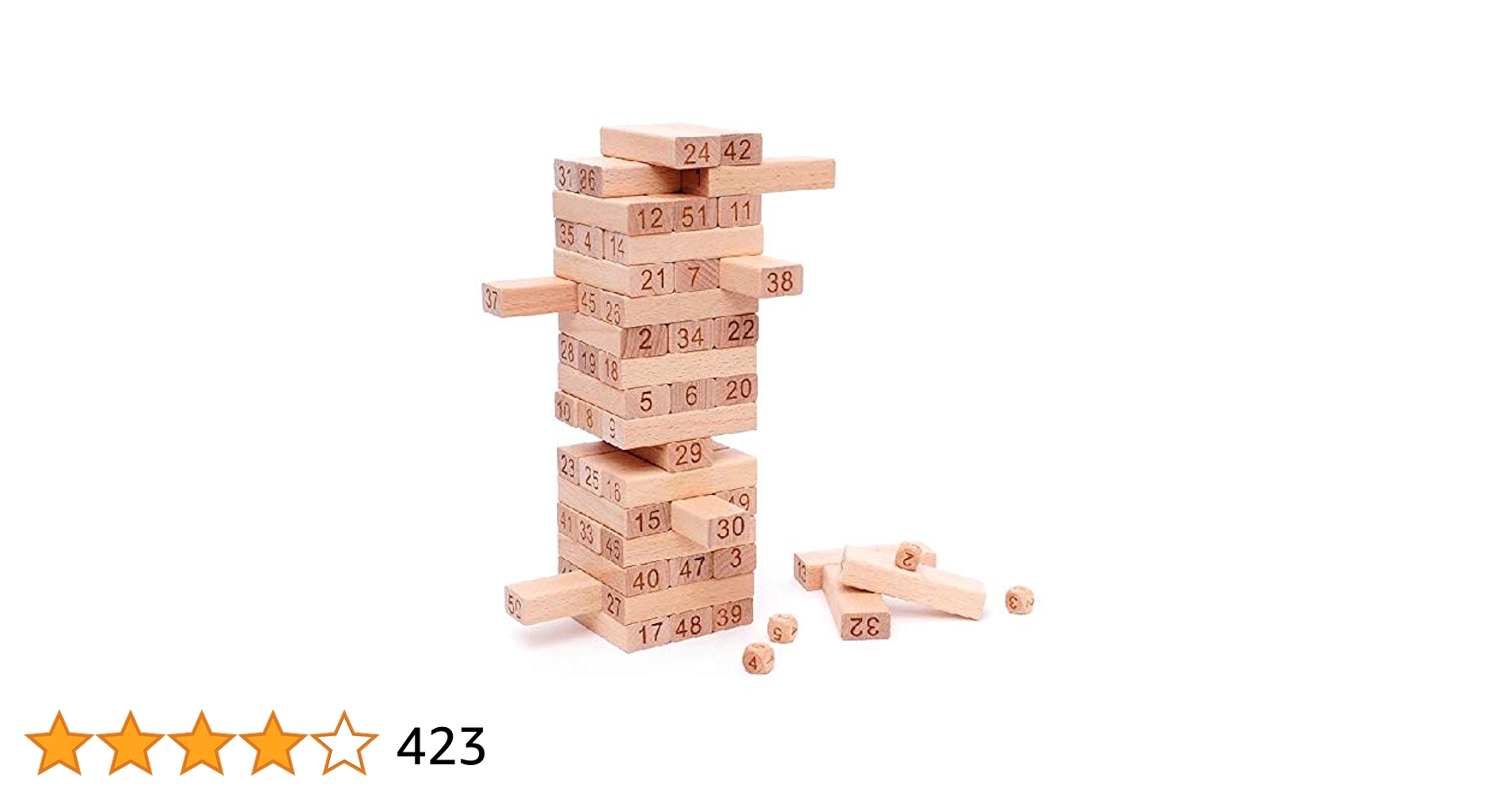
Have you ever noticed how a simple wooden block can captivate your child’s attention for hours? It’s not just a toy—it’s a powerful tool that sparks creativity, boosts learning, and keeps kids engaged without screens.
If you want to give your child a playtime experience that’s both fun and meaningful, understanding why wooden blocks are such a good toy will change the way you see play forever. Keep reading to discover the surprising benefits hidden in these humble pieces of wood and how they can shape your child’s growth in ways you might not expect.

Credit: www.amazon.in
Creative Play With Wooden Blocks
Wooden blocks are simple toys that encourage creative play. They let children build and explore without limits.
Kids use wooden blocks to create anything they imagine. This type of play helps them learn and grow.
Open-ended Building Options
Wooden blocks do not have a set way to play. Kids can stack, line up, or build towers and houses.
There are no right or wrong ways to use blocks. This freedom helps children think in new ways.
Encouraging Imaginative Stories
Children often create stories while playing with blocks. They imagine characters and places.
These stories help develop language skills and creativity. Kids practice telling ideas clearly.
Mixing Shapes And Colors
Wooden blocks come in many shapes and colors. Kids learn how to sort and combine them.
- Squares, rectangles, triangles, and circles
- Bright reds, blues, greens, and yellows
- Combining shapes builds fine motor skills
- Mixing colors sparks visual creativity
Cognitive Benefits
Wooden blocks are simple toys with many benefits for young minds. They help children learn by using their brains actively.
Playing with wooden blocks supports thinking skills and helps build a strong foundation for learning.
Problem-solving Skills
Wooden blocks challenge children to figure out how to build stable structures. This practice boosts their problem-solving skills.
Kids learn to test ideas and fix mistakes by trying different ways to stack blocks. This helps them think logically.
Spatial Awareness Development
Playing with blocks helps children understand space and shapes. They learn how different pieces fit together.
This skill is important for tasks like reading maps, solving puzzles, and understanding geometry in school.
- Recognizing shapes and sizes
- Understanding how objects fit in space
- Visualizing objects from different angles
Enhancing Concentration
Building with wooden blocks requires focus and patience. Children learn to concentrate to complete their projects.
This focused play helps them improve attention span and stay on tasks longer in school and daily activities.
Physical Development
Wooden blocks are simple toys that help children grow physically. Playing with them builds important skills that support daily activities.
These toys encourage children to use their hands and eyes together. This practice improves their movement and control.
Fine Motor Skills
Wooden blocks help children practice small hand movements. Picking up and placing blocks improves finger strength and control.
These skills are important for writing, buttoning clothes, and using utensils. Blocks give kids a fun way to develop these abilities.
Hand-eye Coordination
Playing with wooden blocks requires children to look and move their hands at the same time. This helps them aim and place blocks correctly.
Good hand-eye coordination is needed for sports, drawing, and many daily tasks. Wooden blocks provide useful practice for this skill.
Sensory Experience
Wooden blocks have a natural texture and weight that feels good to touch. Children learn about different materials by playing with them.
The smooth and solid surface of the blocks gives a unique sensory experience. This helps children understand the world through their senses.

Credit: nestatoys.in
Social And Emotional Growth
Wooden blocks are simple toys that help children grow socially and emotionally. They encourage kids to play together and understand their feelings.
Playing with wooden blocks allows children to practice important skills like sharing and teamwork. These skills help them build strong relationships.
Collaborative Play
Children use wooden blocks to build things with friends. This teamwork teaches them how to work well with others.
They learn to listen to ideas and solve problems together. This makes playtime fun and teaches respect.
Sharing And Patience
Wooden blocks are shared toys that help kids wait their turn. This practice builds patience and kindness.
Children learn to take turns and share blocks fairly. These actions improve their social skills and empathy.
- Taking turns during play
- Waiting patiently for a block
- Helping friends build together
Building Confidence
Making structures with wooden blocks helps children feel proud. They see their ideas come to life.
Completing block projects boosts self-esteem. Kids gain confidence to try new things.
Safe And Sustainable Choice
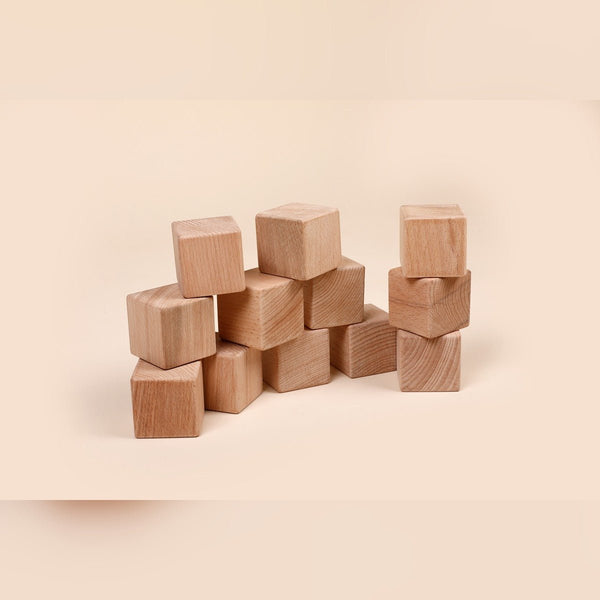
Wooden blocks are a safe and sustainable toy option for children. They offer a natural and eco-friendly way to play.
Parents often look for toys that are gentle on the environment and safe for kids. Wooden blocks meet both needs well.
Natural Materials
Wooden blocks are made from real wood, a natural material without harmful chemicals. This makes them safe for children.
Wood is free from plastics and toxins that can be found in some other toys. This reduces the risk of allergies and poison.
Durability And Longevity
Wooden blocks last a long time because wood is strong and sturdy. They can handle rough play without breaking easily.
These blocks can be passed down to younger siblings or friends, making them a long-term toy choice.
Eco-friendly Benefits
Wooden blocks come from renewable sources, which helps protect forests. They do not add to plastic waste.
- Biodegradable and recyclable
- Made from sustainably harvested wood
- Less energy used in production than plastic toys
Credit: brownliving.in
Educational Value Across Ages
Wooden blocks are classic toys that help children learn at every stage. They build skills through play and creativity.
These toys support growth in many areas like motor skills, thinking, and social interaction.
Toddlers To Preschoolers
Wooden blocks help young children develop hand-eye coordination. They learn to stack and balance blocks carefully.
Blocks also teach early math skills like counting and recognizing shapes and colors.
- Improves fine motor skills
- Introduces basic math concepts
- Encourages imaginative play
Elementary Age Learning
Older children use wooden blocks to explore more complex ideas. They build structures and learn about balance and design.
Blocks support problem-solving and planning skills as kids create different shapes and patterns.
- Enhances spatial awareness
- Develops problem-solving skills
- Encourages teamwork and sharing
Support For Special Needs
Wooden blocks offer sensory feedback for children with special needs. The texture and weight help with focus and calmness.
They allow flexible play that adapts to individual learning styles and abilities.
- Supports sensory integration
- Improves fine motor control
- Encourages independent play
Frequently Asked Questions
Why Are Wooden Blocks Good For Child Development?
Wooden blocks enhance fine motor skills, creativity, and problem-solving. They encourage imaginative play and cognitive growth in children naturally and safely.
How Do Wooden Blocks Improve A Child’s Creativity?
Wooden blocks allow open-ended play, letting kids build anything. This freedom sparks imagination and innovative thinking effectively.
Are Wooden Blocks Safer Than Plastic Toys?
Yes, wooden blocks are non-toxic and durable. They contain no harmful chemicals, making them safer for young children.
Can Wooden Blocks Help With Early Learning Skills?
Absolutely, wooden blocks teach shapes, colors, and spatial awareness. They support early math and language development through play.
Conclusion
Wooden blocks offer simple, safe fun for children. They help kids build creativity and problem-solving skills. These toys are durable and last for years. Kids enjoy stacking, sorting, and making shapes. Wooden blocks also support hand-eye coordination and focus. Parents trust them for their natural, non-toxic materials.
Playing with blocks encourages learning without screens. A classic toy that never goes out of style. A perfect choice for healthy, active playtime.