


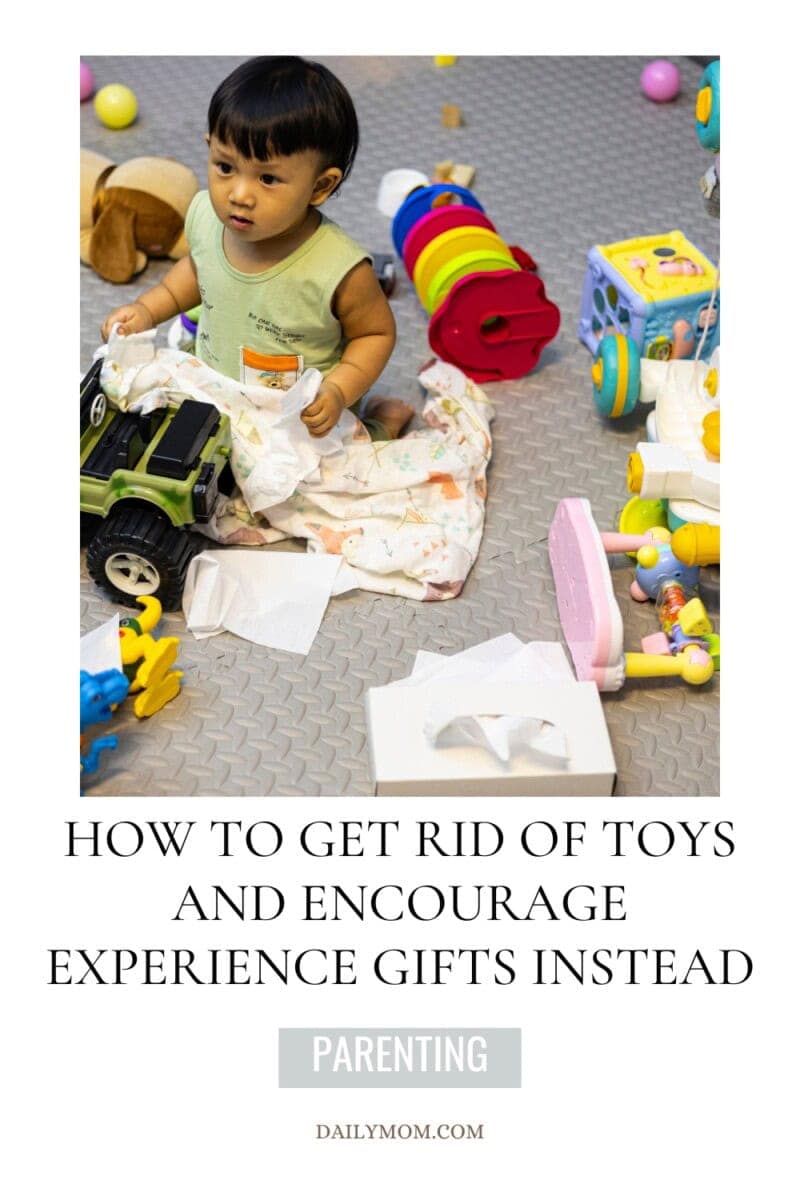
Are you surrounded by toys but unsure which ones to keep and which to let go? Your home might be cluttered with items that no longer bring joy or serve a purpose.
Getting rid of certain toys can create more space, reduce stress, and even help your children focus on what truly matters. But how do you decide which toys to part with? Keep reading, and you’ll discover simple tips that make this process easier and more rewarding than you ever imagined.
Signs It’s Time To Declutter Toys
Toys can fill up a room quickly. It is important to know when to remove some toys. Clearing out unused toys helps keep spaces neat and organized.
Look for signs that toys are no longer needed. This makes it easier to decide what to keep and what to give away or recycle.
Toys No Longer Played With
Some toys sit on shelves or in boxes for months. If a child has not touched a toy in a long time, it might be time to let it go.
Keeping toys that are not used takes up space that could be used for favorite toys or new ones.
Broken Or Missing Parts
Toys with broken parts can be unsafe or less fun to play with. Missing pieces can make the toy incomplete.
Fixing toys is good, but if repair is not possible, it is better to remove them from the collection.
Duplicate Items
Sometimes children have many copies of the same toy. Too many duplicates can cause clutter and confusion.
- Keep the best condition items
- Donate or recycle extras
- Limit future duplicate purchases
Outgrown Toys
Children grow fast and so do their interests. Toys that were once loved may no longer fit their age or skills.
Remove toys that are too easy or not safe for their current age. This makes room for toys that match their new needs.
Credit: www.fredmeyer.com
Toys To Let Go For Safety
It is important to keep your child’s play area safe. Some toys can cause injuries or health problems. Removing unsafe toys helps protect your child.
Focus on toys that may cause choking, contain harmful materials, or are broken. These toys should be thrown away or repaired.
Choking Hazards
Small toys or parts can block a child’s airway. Toys with tiny pieces are dangerous for children under three years old. Always check the size of the parts.
Remove toys that have loose or detachable small pieces. This includes buttons, beads, and puzzle parts. Keep only age-appropriate toys.
- Small balls and marbles
- Broken toys with loose pieces
- Items with small detachable parts
- Older toys not labeled for young children
Toys With Toxic Materials
Some toys contain harmful chemicals like lead or phthalates. These materials can cause health problems if touched or chewed. Always check the toy’s labels for safety information.
Avoid toys made from unknown or low-quality materials. Also, throw away toys with peeling paint or strong chemical smells.
- Toys with peeling or chipped paint
- Plastic toys with strong chemical odors
- Imported toys without safety certifications
- Old toys made before safety laws
Worn Out Or Damaged Toys
Toys that are broken or worn out can hurt children. Sharp edges or broken parts can cause cuts or scratches. Missing pieces can make toys unsafe to use.
Check toys regularly for damage. Remove toys with cracks, broken wheels, or torn fabric. Fix or throw away damaged toys to keep playtime safe.
- Cracked plastic or wood parts
- Broken or loose wheels
- Torn stuffed animals or fabric
- Missing parts or screws
Sentimental Toys To Keep
Deciding which toys to keep can be hard. Some toys hold special feelings and memories. These toys remind us of good times and loved ones.
Keep toys that have strong emotional meaning. These toys are worth saving for the future.
Heirlooms And Keepsakes
Heirloom toys are passed down through generations. They often have a story or history in the family. Keepsakes are toys that mark important events.
These toys connect us to our family and past. They are valuable beyond their price or condition.
- Old wooden toys from grandparents
- Handmade dolls or stuffed animals
- Toys from special occasions like birthdays
Favorite Comfort Items
Comfort toys help us feel safe and calm. Many children have a special toy they hug or hold. These toys often stay important even when we grow up.
Keep these items if they bring peace or happy feelings. They can be soft blankets, stuffed animals, or special pillows.
- Blankets that feel soft and familiar
- Stuffed animals with worn spots
- Small toys carried everywhere
Toys With Special Memories
Some toys remind us of happy moments. These toys may come from trips, achievements, or gifts from loved ones. They hold memories that make us smile.
Keep toys that tell your story. They bring back moments you want to remember forever.
- Toys bought on family vacations
- Prizes or awards from contests
- Gifts from close friends or relatives
How To Sort And Organize Toys
Sorting and organizing toys helps keep play areas neat and safe. It makes finding toys easier and saves space.
Knowing which toys to keep or remove is key to a tidy home. This guide shows simple ways to sort and organize toys.
Create Sorting Categories
Start by grouping toys into clear categories. This helps decide what to keep and what to get rid of.
Common categories include type, size, and how often toys are used. Sorting this way keeps things organized.
- By type: puzzles, dolls, blocks, cars
- By size: small toys, large toys
- By use: daily favorites, rarely played with
- By condition: new, gently used, broken
Involve Kids In Decision Making
Ask children to help sort their toys. They know which ones they like and which they do not.
Letting kids choose teaches them to value their belongings and stay organized. It also makes sorting faster.
- Ask kids to pick toys to keep
- Talk about why some toys can be given away
- Make sorting a fun activity
- Encourage kids to decide how to store their toys
Use Storage Solutions
Good storage helps keep toys in place and the room tidy. Choose containers that fit your space and needs.
Label storage boxes or bins to show what goes inside. Clear containers help kids see toys without opening them.
- Use bins, baskets, or shelves
- Choose stackable containers to save space
- Label each storage with pictures or words
- Keep daily toys within easy reach
- Store seasonal or rare toys higher up
Ways To Donate Or Recycle Toys
Getting rid of old toys can be hard. It feels good to give them a new life. Donating or recycling toys helps others and reduces waste.
There are many places to donate toys. Recycling programs also keep toys out of landfills. Here are some good options to consider.
Local Charities And Shelters
Local charities and shelters often accept toys. They give toys to children in need. Make sure toys are clean and in good condition.
Call ahead to check what items they accept. Some shelters need toys for all ages. Others may focus on babies or teens.
- Toys for toddlers and young children
- Board games and puzzles
- Stuffed animals and dolls
Toy Libraries And Exchanges
Toy libraries lend toys to families for free or low cost. They accept gently used toys to share with others. Toy exchanges let people trade toys they no longer want.
These options keep toys moving between families. They help reduce the number of new toys bought. Look for toy libraries or exchanges in your area.
- Check local community centers
- Ask at schools or daycare centers
- Search online for toy swaps
Recycling Programs
Recycling programs accept broken or old toys. They break down plastics and metals to reuse. This prevents toys from ending up in landfills.
Not all recycling centers take toys. Call your local waste management to find out. Some stores also offer toy recycling drop-offs.
- Separate toys by material type
- Remove batteries before recycling
- Follow local recycling guidelines

Credit: www.youtube.com
Maintaining A Clutter-free Toy Space
Toys bring fun and learning to children. But too many toys can cause clutter. A clutter-free space helps kids find toys easily. It also keeps the play area safe and organized.
Choosing which toys to keep or get rid of is important. This keeps the toy space neat and enjoyable. Here are some ways to manage toys well.
Regular Toy Audits
Check toys often to see which ones are still used. Remove broken or missing parts toys. Donate or recycle toys no longer played with.
Regular audits help keep only favorite and safe toys. This stops the toy pile from growing too large over time.
- Set a schedule for toy checks, like monthly or seasonal.
- Sort toys into keep, donate, and throw away piles.
- Ask children which toys they still like.
Setting Toy Limits
Limit the number of toys in the play area. Use storage bins or shelves with space rules. This keeps toys from overflowing into other rooms.
Having clear limits teaches children to value their toys. It also makes cleaning up faster and easier.
- Use boxes or shelves that hold a set number of toys.
- Rotate toys by storing some away and swapping them later.
- Keep new toy purchases within the set space.
Encouraging Responsible Play
Teach children to take care of toys and put them away. Show them how to clean and store toys properly. This helps toys last longer and keeps the space tidy.
Involve kids in deciding which toys to keep or share. This builds good habits and respect for their belongings.
- Make clean-up part of playtime routines.
- Praise children for putting toys away neatly.
- Explain why some toys need to be given away or fixed.

Credit: dailymom.com
Frequently Asked Questions
Which Toys Should You Declutter First?
Start with broken, missing pieces, or unsafe toys. Prioritize items your child no longer uses or outgrew. This creates space and improves organization.
How To Identify Toys That Cause Clutter?
Toys that are rarely played with or duplicates usually cause clutter. Also, bulky toys that take up space but lack engagement are prime candidates.
Should You Keep Toys With Sentimental Value?
Keep a few sentimental toys but avoid hoarding. Select meaningful items that bring joy and memories, then donate or recycle the rest.
How Often Should Toys Be Reviewed For Removal?
Review toys every 3 to 6 months. Regular checks help maintain order and ensure only relevant toys remain accessible.
Conclusion
Decluttering toys benefits both children and parents. Less clutter means more space. Kids play better with fewer distractions. Donate toys in good condition to those in need. Recycling broken ones helps the environment. Regularly sorting toys teaches kids important life skills.
It encourages responsibility and organization. Make it a fun family activity. Share stories about old toys. Create lasting memories while cleaning up. A tidy play area leads to a happier home. Encourage creativity with fewer, well-chosen toys. It’s a win for everyone involved.